

APOE—The Single Most Important Gene for Longevity
APOE is the primary cholesterol carrier in the brain and plays a major role in packaging and transporting LDL cholesterol throughout the body.
Topic summary contributed by volunteer(s): Wyatt
Japan has the number one life expectancy of any nation while the US falls around 19th. A study recently suggested that eating a single serving of berries every day could add an extra year to our lifespan. The available evidence also suggests that eating nuts (specifically walnuts) and beans may extend our life (see also here). A plant based diet overall is thought to be capable of reversing heart disease and, thus, extending the lifespan (see also here, here, here, here) by almost 14 years. A study found that those eating one serving of fruits and vegetables a day died 19 months sooner than those eating five servings a day, a direct correlation between plant-based diets and lifespan.
Just reducing the amount of meat one eats can increase lifespan. However, British vegetarians do not appear to live longer than British meat eaters (possibly due to the fact that they are less likely to supplement their diet with vitamin B12). Besides diet, sleeping 7 hours a night may maximize longevity. Severe caloric restriction has been found to extend the lives of animals in laboratories, and lowers our target of rapamycin, or TOR, which is a major determinant of aging. This caloric restriction can easily be met by reducing animal protein and increasing plant consumption. Meditation and stress management, along with a whole-food, plant-based, may slow the aging of our DNA.
On the other hand, there are a few vitamin supplements that may increase all-cause mortality, or shorten the lifespan. Vitamin C and multivitamins don’t appear to offer net benefit.. Iron pills have also been linked to a shorter lifespan. Vitamin D, however, actually appears to make us live longer (see also here, here, here, here, here). Meat intake may increase total mortality according to the massive NIH-AARP study (the largest forward looking study of diet and health in history). Similarly, the Harvard Health Professionals Follow-up Study and the Harvard Nurses’ Health Study linked red meat consumption to living a significantly shorter life—increased cancer mortality, increased heart disease mortality, and increased overall mortality. Not surprisingly then, people on animal-based, low carb diets have been found to live significantly shorter lives (increased risk of all cause mortality).
A shorter life span has also been associated with untreated celiac disease, early puberty, consumption of processed meats and fish, kombucha tea, and eating just one egg a day has been found to shorten our lifespan (see also here, here, here). Dark fish consumption (such as salmon) has been linked with atrial fibrillation (a heartbeat arrhythmia, which can significantly shorten the lifespan). Moderate alcohol consumption does not appear to affect the lifespan of healthy people either positively or negatively.
For substantiation of any statements of fact from the peer-reviewed medical literature, please see the associated videos below.
Image Credit: Pixabay. This image has been modified.
APOE is the primary cholesterol carrier in the brain and plays a major role in packaging and transporting LDL cholesterol throughout the body.

Based on a study of thousands of twin pairs, only about 25 percent of the difference in lifespan among people is genetically determined.

Approximately half of the variability of age of menopause among women is explained by genetics. What behaviors or circumstances can help explain the rest?

How might we reduce the risk of premature death from dairy consumption?

Ready for the mind-blowing twist in the mystery of why the injection of blood from young animals into old ones has a rejuvenative effect?

Macabre experiments surgically attaching old animals to young ones show there is something in the blood that causes aging.

How can we make sense of the disparate results from the four primate studies on caloric restriction and lifespan?

Taking human growth hormone (somatotropin) may actually accelerate the aging process.
In this live lecture, Dr. Greger offers a sneak peek into his latest book, How Not to Age, a New York Times Best Seller.

Some animals, like the immortal jellyfish, can effectively live forever, so why can’t we?

Those eating more plant-based diets have lower risk of having a stroke, including both bleeding and clotting strokes.

It may be even more important to include mushrooms (or tempeh) in our diet as we age.

Learn about my newest book, How Not to Age, a New York Times Best Seller.

One cannot assume that simply avoiding animal foods will necessarily produce a healthy diet.

Not all plant foods are linked to less cellular aging based on telomere attrition, and not all animal foods are linked to more.
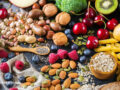
The anti-inflammatory and antioxidant properties of plant-based diets may explain why they can effectively reverse cellular aging by elongating telomeres.

Spice can hack your brain by making foods taste saltier.

Those who eat spicy foods regularly tend to live longer, but is it cause-and-effect?

What are the pros and cons of plant-based eating?

I share a touching story of the power of plant-based eating for chronic kidney failure.

Why do the official federal Dietary Guidelines for Americans recommend limiting the intake of dietary cholesterol (found mostly in eggs) as much as possible?

Diet appears to mediate the majority of the racial health gap.

What kind of diet should cancer patients eat?

Our body can make vitamin K2 from the K1 in green leafy vegetables.

How can mandating healthy eating messaging on fast-food ads ironically make things worse?

How might we prevent the inflammation from gluten-free diets?
Swapping just 1 percent of plant protein in place of animal protein was associated with significantly less age-related deficit accumulation.

If you care about your health so much that it would be unthinkable to light up a cigarette before and after lunch, maybe you should order a bean burrito instead of a meaty one.

Big Meat downplays the magnitude of meat mortality.

The meat industry’s own study concluded that meat consumption increased the risk of cancer, heart disease, diabetes, and premature death.

The meat industry comes up with a perversion of evidence-based medicine.

International Life Sciences Organization, a nonprofit, is accused of being a front group for Coca-Cola and other junk food giants.

How might weight stigma be a vicious cycle?

Do nut eaters live longer simply because they swap in protein from plants in place of animal protein?
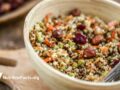
I discuss a public health case for modernizing the definition of protein quality.

Is potassium chloride win-win by decreasing sodium intake and increasing potassium intake?

Lactucin, the hypnotic component of lettuce, is put to the test in a randomized, double-blind, placebo-controlled trial of lettuce seeds.

What happened when ultra-processed foods were matched for calories, sugar, fat, and fiber content in the first randomized controlled trial?

Why are nuts associated with decreased mortality, but not peanut butter?
Fasting and exercise can boost the longevity hormone FGF21, but what can we eat—or avoid eating—to get similar effects?