
Preventing Alzheimer’s Disease with Plants
If foods like berries and dark green leafy vegetables have been found protective against cognitive decline, why aren’t they recognized as such in many guidelines?
If foods like berries and dark green leafy vegetables have been found protective against cognitive decline, why aren’t they recognized as such in many guidelines?

How might Big Butter design a study (like the Siri-Tarino and Chowdhury meta-analyses) to undermine global consensus guidelines to reduce saturated fat intake?

Dairy industry campaign to “neutralize the negative image of milkfat among regulators and health professionals as related to heart disease” seeks to undermine latest guidelines from the American Heart Association and the American College of Cardiology.

The role of the Mediterranean diet in preventing and treating dementia.

Sex steroid hormones in meat, eggs, and dairy may help explain the link between saturated fat intake and declining sperm counts.

The ongoing global drop in male fertility may be associated with saturated fat intake and lack of sufficient fruits and vegetables.
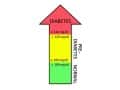
Lifestyle modification is considered the foundation of diabetes prevention. What dietary strategies should be employed, and why don’t more doctors use them?

Is the reversal of cellular aging Dr. Dean Ornish demonstrated with lifestyle changes due to the plant-based diet, the exercise or just to the associated weight loss?

Consumption of even small amounts of garlic or raisins are associated with significantly lower risk of pregnant women going into premature labor or having their water break too soon.

The cholesterol in eggs not only worsens the effects of saturated fat, but has a dramatic effect on the level of cholesterol and fat circulating in our bloodstream during the day.
Approximately 1 in 3 Americans have prediabetes, but only about 1 in 10 knows it. What works better at preventing it from turning into full-blown diabetes—drugs or diet and exercise?
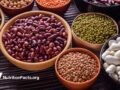
Legumes such as lentils, chickpeas, beans and split peas may reduce cholesterol so much that consumers may be able to get off their cholesterol-lowering statin drugs, but to profoundly alter heart disease risk we may have to more profoundly alter our diet.

The number one killer of Americans may be not eating enough fruit. Even if we just met the recommendations for fruit and vegetable intake we could save more than 100,000 people a year. One of the mechanisms by which plant foods protect us is by keeping our platelets from becoming activated.

Dr. Greger has scoured the world’s scholarly literature on clinical nutrition and developed this new presentation based on the latest in cutting-edge research exploring the role diet may play in preventing, arresting, and even reversing some of our leading causes of death and disability.

Does cooking meals at home lead to improved health outcomes? And how do TV dinners compare nutritionally to TV-chef recipes?

Grain consumption appears strongly protective against Alzheimer’s disease, whereas animal fat intake has been linked to dementia risk.

Dr. Rose’s sick-population concept may explain why many nutrition studies underestimate the role of diet in disease.

Nutritional quality indices show plant-based diets are the healthiest, but do vegetarians and vegans reach the recommended daily intake of protein?

A study involving more than a million kids suggests the striking worldwide variation in childhood rates of allergies, asthma, and eczema is related to diet.

The dramatic rise of allergic diseases such as eczema and seasonal allergies may be related to dietary exposure to endocrine-disruptor xenoestrogens, such as alkylphenol industrial pollutants.

Freedom of Information Act documents reveal that the U.S. Department of Agriculture warned the egg industry that saying eggs are nutritious or safe may violate rules against false and misleading advertising.

The yellow pigment curcumin in the spice turmeric may work as well as, or better than, anti-inflammatory drugs and painkillers for the treatment of knee osteoarthritis.

Coronary heart disease, our #1 cause of death, was found to be almost non-existent in a population eating a diet centered around whole plant foods.

Americans eating meat-free diets average higher intakes of nearly every nutrient, while maintaining a lower body weight—perhaps due, in part, to their higher resting metabolic rates.

Too much choline—a compound concentrated in eggs and other animal products—can make bodily secretions smell like rotting fish, and may increase the risk of heart disease, due to conversion in the gut to trimethylamine.

The beef industry designed a study to show that a diet containing beef was able to lower cholesterol—if one cuts out enough poultry, pork, fish, and cheese to halve one’s total saturated fat intake.

A plant-based diet may not only be the safest treatment for multiple sclerosis; it may also be the most effective.

By age 10, nearly all kids have fatty streaks in their arteries. This is the first sign of atherosclerosis, the leading cause of death in the United States. So the question for most of us is not whether we should eat healthy to prevent heart disease, but whether we want to reverse the heart disease we may already have.

Those eating a more plant-based diet may naturally have an enhanced antioxidant defense system to counter the DNA damage caused by free radicals produced by high-intensity exercise.

Dr. Greger has scoured the world’s scholarly literature on clinical nutrition, and developed this brand-new live presentation on the latest in cutting-edge research on how a healthy diet can affect some of our most common medical conditions.

Dioxins, endocrine disrupting pollutants, heavy metals, saturated fat, and steroids in the meat supply may be affecting sperm counts, semen quality, and the ability of men to conceive.
A more plant-based diet may help prevent vaginal infections, one of the most common gynecological problems of young women.
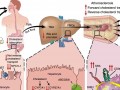
Expanding on the subject of my upcoming appearance on The Dr. Oz Show, a landmark new article in the New England Journal of Medicine shows that choline in eggs, poultry, dairy, and fish produces the same toxic TMAO as carnitine in red meat—which may help explain plant-based protection from heart disease and prostate cancer.

The story behind the first U.S. dietary recommendations report explains why, to this day, the decades of science supporting a more plant-based diet have yet to fully translate into public policy.

Sellers of coconut oil use a beef industry tactic to downplay the risks associated with the saturated fat in their products.

Plant-based diets may help protect against oral cancer and periodontal (gum) disease, a leading cause of tooth loss.

Plant-based diets may help rheumatoid arthritis by decreasing exposure to an inflammatory compound found in animal products.

Some foods appear protective against the development of skin wrinkles—while others may make them worse.

Why is the intake of animal protein associated with heart disease—even independent of saturated fat—and the intake of plant protein protective?

Of all animals, the bodies of insects may have the lowest saturated fat content.