Preventing Exercise-Induced Oxidative Stress with Watercress
Those eating a more plant-based diet may naturally have an enhanced antioxidant defense system to counter the DNA damage caused by free radicals produced by high-intensity exercise.

Dr. Greger has scoured the world’s scholarly literature on clinical nutrition, and developed this brand-new live presentation on the latest in cutting-edge research on how a healthy diet can affect some of our most common medical conditions.
Dioxins, endocrine disrupting pollutants, heavy metals, saturated fat, and steroids in the meat supply may be affecting sperm counts, semen quality, and the ability of men to conceive.
A more plant-based diet may help prevent vaginal infections, one of the most common gynecological problems of young women.
Expanding on the subject of my upcoming appearance on The Dr. Oz Show, a landmark new article in the New England Journal of Medicine shows that choline in eggs, poultry, dairy, and fish produces the same toxic TMAO as carnitine in red meat—which may help explain plant-based protection from heart disease and prostate cancer.
The story behind the first U.S. dietary recommendations report explains why, to this day, the decades of science supporting a more plant-based diet have yet to fully translate into public policy.
Sellers of coconut oil use a beef industry tactic to downplay the risks associated with the saturated fat in their products.
Plant-based diets may help protect against oral cancer and periodontal (gum) disease, a leading cause of tooth loss.
Plant-based diets may help rheumatoid arthritis by decreasing exposure to an inflammatory compound found in animal products.
Some foods appear protective against the development of skin wrinkles—while others may make them worse.
Why is the intake of animal protein associated with heart disease—even independent of saturated fat—and the intake of plant protein protective?
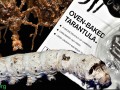
Of all animals, the bodies of insects may have the lowest saturated fat content.
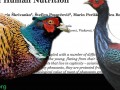
Since chronic inflammation underlines many disease processes, and saturated fat appears to facilitate the endotoxic inflammatory reaction to animal products, researchers have looked to wild animals for less unhealthy meat options.
Though official recommendations are to first treat high cholesterol with dietary change, many physicians jump right to cholesterol-lowering medications, such as statins, that can have an array of adverse side effects.
A dramatic difference exists between the anti-inflammatory and antioxidant effects of black walnuts versus English walnuts.
Death in America is largely a foodborne illness. Focusing on studies published just over the last year in peer-reviewed scientific medical journals, Dr. Greger offers practical advice on how best to feed ourselves and our families to prevent, treat, and even reverse many of the top 15 killers in the United States.
The whole grain phytonutrient phytic acid (phytate) partially inhibits mineral absorption, but has a wide range of health-promoting properties, such as anticancer activity. By concurrently eating mineral absorption enhancers, such as garlic and onions, one can get the best of both worlds by improving the bioavailability of iron and zinc in plant foods.
The high bacteria load in raw or cooked animal foods and fermented foods may trigger an endotoxemic surge of inflammation, which may be exacerbated by the presence of saturated animal fat.
The endotoxemia (bacterial toxins in the bloodstream) that follows a meal of animal products and results in inflammation and stiffened arteries may come from the food itself, rather than from one’s own gut bacteria.
A single meal of meats, eggs, and dairy can cause a spike of inflammation within hours that can stiffen one’s arteries. Originally, this was thought to be the result of saturated animal fat causing our gut lining to leak bacterial toxins into our bloodstream, leading to endotoxemia.
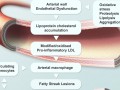
By preventing the buildup of cholesterol in our bloodstream, we can prevent atherosclerosis in our coronary arteries—the leading cause of death in the United States for both men and women. This involves increasing our intake of fiber-containing plant foods, and decreasing our intake of trans fat, saturated fat, and cholesterol found in junk food and animal products.
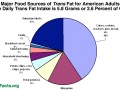
Breast cancer survivors may reduce their chances of survival if they eat too much trans fat, found primarily in the American diet in junk food and animal products.
Breast cancer survivors may reduce their chances of survival if they eat too much saturated fat, found primarily in the American diet in cheese, chicken, and junk food.
Since foods are effectively a package deal, what’s the best way to get vitamin B12 (cobalamin)?
What is responsible for the rising prevalence of atopic diseases, such as food allergies, asthma, hay fever, and eczema?
What dietary behaviors may cut the odds of developing of an abdominal aortic aneurysm (AAA) in half?
A million Americans have a silent aneurysm in their abdominal aorta (AAA) that may become life-threatening over time.
The intake of trans fats, which come mostly from junk food and animal products; saturated fat, mostly from dairy products and chicken; and cholesterol, coming mostly from eggs and chicken, should be as low as possible.
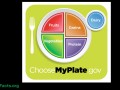
Following the recommendations of the 2010 Dietary Guidelines Advisory Committee to “shift food intake patterns to a more plant-based diet,” the latest USDA guidelines include a vegan adaptation.
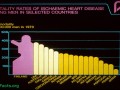
The success story in Finland shows that science-based dietary guidelines can save millions of lives.
How have the Dietary Guidelines for Americans evolved over the years since they were first issued in 1980?
The mission of the U.S. Department of Agriculture is to promote agribusiness. At the same time, the USDA is the agency primarily tasked with developing the nutrition guidelines.
Cardiology experts warn that eating even a single egg a day may exceed the safe upper limit for cholesterol intake.