Alternative Treatments for Autism
The secretin story holds an important lesson that extends far beyond autism.
The secretin story holds an important lesson that extends far beyond autism.

Addyi (flibanserin), the drug marketed for “hypoactive sexual desire disorder,” is ineffective and unsafe. What about dietary approaches for female sexual dysfunction?

What is the science behind the marketing of foods for antidepressant effects?
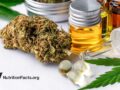
What happened in states after medical marijuana laws were passed? Did opioid overdoses go up, stay the same, or go down?
Which would save more lives: eating an apple a day or taking statin drugs?

What did a randomized, placebo-controlled, double-blind study of a food that costs pennies a day for ragweed allergy sufferers find?

Let’s review lead from occupational exposures, shooting ranges, eggs, and bone broth.

Every year, cannabis is estimated to result in two million years of healthy life lost due to disability. How much is that compared to alcohol and tobacco?

Odds are most women will get at least one false-positive mammogram, but, thankfully, most women who are called back for further testing of a suspicious mammogram finding do not end up having cancer after all.
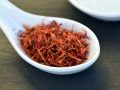
The spice saffron may not only work as well as SSRI antidepressant drugs like Prozac, Paxil, and Zoloft without the side effects, but it may even be able to treat the adverse sexual side effects that occur in up to 70 percent of people taking the drugs.

Physical fitness authorities seem to have fallen into the same trap as the nutrition authorities, recommending what they think may be achievable, rather than simply informing us what the science says and letting us make up our own mind.

Eating seaweed salad may boost the efficacy of vaccinations and help treat cold sores, herpes, Epstein-Barr virus, and shingles.

In this “best-of” compilation of his last four year-in-review presentations, Dr. Greger explains what we can do about the #1 cause of death and disability: our diet.
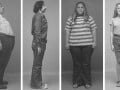
How extreme was Dr. Kempner’s rice diet compared to traditional surgical approaches? Is there a safer alternative?

Why has fish consumption been associated with cognitive impairment and loss of executive function?

Certain foods are linked not only to increased happiness, but also to greater “eudaemonic” well-being—feelings of engagement, creativity, meaning, and purpose in life.

The burgeoning field of positive psychology is based on the understanding that mental health is not just about the absence of disease.

Cow’s milk proteins can pass through breast milk—which may explain why maternal dairy-free diets are so effective in treating infant colic.

Why do some drug-based strategies shorten the lives of diabetics and some diet-based strategies fail to decrease diabetes deaths?
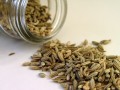
Fennel seeds can work as effectively as drugs like ibuprofen for painful periods, and an eighth of a teaspoon of ginger powder three times a day can cut menstrual bleeding in half.

When placed head-to-head against the American Diabetes Association diet, how do plant-based diets fare in terms of not only blood sugar, body weight, and cholesterol control, but also mood and quality of life?

If depression can be induced with pro-inflammatory drugs, might an anti-inflammatory diet be effective in preventing and treating mood disorders?

The most comprehensive controlled trial of diet and mood finds that a plant-based nutrition program in a workplace setting across ten corporate sites significantly improves depression, anxiety, and productivity.

What physiologic effects does classical music have compared to new age music, grunge rock, techno, and heavy metal?
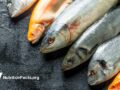
The mercury content in fish may help explain links found between fish intake and mental disorders, depression, and suicide.

The brain shrinkage associated with dehydration may not only play a role in cognitive impairment, but also in levels of energy, alertness, and happiness.

Endocrine-disrupting industrial toxins in the aquatic food chain may affect genital development of boys and sexual function in men.

Neither antioxidant or folic acid supplements seem to help with mood, but the consumption of antioxidant-rich fruits and vegetables and folate-rich beans and greens may lower the risk for depression.

Freedom of Information Act documents show drug companies hid critical findings from doctors and the public.

Aerobic exercise interventions found comparable to antidepressant medication in the treatment of patients with major depressive disorder.

What was it about the diet on the Greek isle of Crete in the 1950s that made it so healthy?
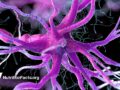
Advanced glycation end products in our diet may suppress sirtuin enzyme activity and play a role in age-related brain volume loss.

Why are there such polarizing opinions about the taste of the fresh herb cilantro (also known as coriander leaves)?

The effects of the neurotoxins that can contaminate fish like red snapper and grouper can last for decades.

The reason artificially sweetened beverages have been associated with depression may be because of psychological disturbances recently tied to aspartame (“Equal” or “NutraSweet”).

Flax seed consumption may play a role in preventing and treating breast cancer by blocking the inflammatory effects of interleukin-1.

What a teaspoon a day of the spice turmeric may be able to do for those suffering from Alzheimer’s disease.

For more than 30 years, the medical profession has debated the existence of an intolerance to the wheat protein, gluten, unrelated to allergy or celiac disease. What is the evidence pro and con?
Improvements in natural killer cell immune function may explain both the anti-cancer benefits of exercise as well as the apparent anti-virus effects of the green algae chlorella.

The dramatic rise of allergic diseases such as eczema and seasonal allergies may be related to dietary exposure to endocrine-disruptor xenoestrogens, such as alkylphenol industrial pollutants.