
Who Determines if Food Additives Are Safe?
The safety of food additives is determined not by the FDA, but by the manufacturers of the chemicals themselves.
The safety of food additives is determined not by the FDA, but by the manufacturers of the chemicals themselves.

Coronary heart disease, our #1 cause of death, was found to be almost non-existent in a population eating a diet centered around whole plant foods.

Interventions to improve child nutrition at school have included everything from reducing cookie size, adding fruit to classroom cupcake celebrations, and giving vegetables attractive names, to more comprehensive strategies such as “veggiecation” curricula, and transforming school cafeterias.

Dr. Greger has scoured the world’s scholarly literature on clinical nutrition, and developed this brand-new live presentation on the latest in cutting-edge research on how a healthy diet can affect some of our most common medical conditions.

About half of America’s trans fat intake now comes from animal products.
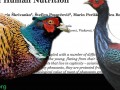
Since chronic inflammation underlines many disease processes, and saturated fat appears to facilitate the endotoxic inflammatory reaction to animal products, researchers have looked to wild animals for less unhealthy meat options.

Whole food sources of phytosterols, such as seeds and nuts, are likely superior to supplements, or phytosterol-fortified spreads and beverages.
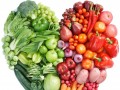
By preventing the buildup of cholesterol in our bloodstream, we can prevent atherosclerosis in our coronary arteries—the leading cause of death in the United States for both men and women. This involves increasing our intake of fiber-containing plant foods, and decreasing our intake of trans fat, saturated fat, and cholesterol found in junk food and animal products.

A healthy diet may not only prevent the complications of diabetes, but also reduce the risk of age-related macular degeneration—another common cause of blindness.

Breast cancer survivors may reduce their chances of survival if they eat too much trans fat, found primarily in the American diet in junk food and animal products.
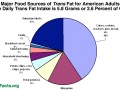
The intake of trans fats, which come mostly from junk food and animal products; saturated fat, mostly from dairy products and chicken; and cholesterol, coming mostly from eggs and chicken, should be as low as possible.
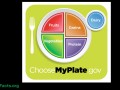
Following the recommendations of the 2010 Dietary Guidelines Advisory Committee to “shift food intake patterns to a more plant-based diet,” the latest USDA guidelines include a vegan adaptation.
The mission of the U.S. Department of Agriculture is to promote agribusiness. At the same time, the USDA is the agency primarily tasked with developing the nutrition guidelines.