Heart Disease
I was only a kid when doctors sent my grandmother home in a wheelchair to die at age 65. Diagnosed with end-stage heart disease, she had already had so many bypass operations the surgeons essentially ran out of plumbing—the scarring from each open-heart surgery had made the next more difficult until they finally ran out of options. Confined to a wheelchair with crushing chest pain, her doctors told her there was nothing else they could do.
I think what sparks many kids to want to become doctors when they grow up is watching a beloved relative become ill or even die. For me, it was watching my grandma get better.
Soon after she was discharged, a segment aired on 60 Minutes about Nathan Pritikin. He had been gaining a reputation for reversing terminal heart disease and had just opened a new center—a live-in program where everyone was placed on a plant-based diet and then started on a graded exercise regimen. My grandmother somehow made the trek to become one of its first patients. They wheeled her in, and she walked out.
Later featured in Pritikin’s biography Pritikin: The Man Who Healed America’s Heart, she was described as one of the “death’s door people”:
“Frances Greger…arrived in Santa Barbara at one of Pritikin’s early sessions in a wheelchair. Mrs. Greger had heart disease, angina, and claudication; her condition was so bad she could no longer walk without great pain in her chest and legs. Within three weeks, though, she was not only out of her wheelchair but was walking ten miles a day.”
At that time, reversing heart disease didn’t even seem possible. Drugs were given to try to slow the progression, and surgery was performed to circumvent clogged arteries to try to relieve symptoms (literally bypassing the problem), but the disease was expected to worsen until you died. Today, we know that as soon as we stop eating an artery-clogging diet, our bodies may start healing themselves, in many cases opening up arteries without drugs or surgery.
By the time I became a doctor, giants like Dean Ornish, M.D., had already proven beyond a shadow of a doubt what Pritikin had shown to be true. Using the latest high-tech advances—cardiac PET scans, quantitative coronary arteriography, and radionuclide ventriculography—Dr. Ornish and his colleagues showed that heart disease, our leading killer, may be reversed with the lowest-tech approach—diet and lifestyle.
For substantiation of any statements of fact from the peer-reviewed medical literature, please see the associated videos below.
Popular Videos for Heart Disease
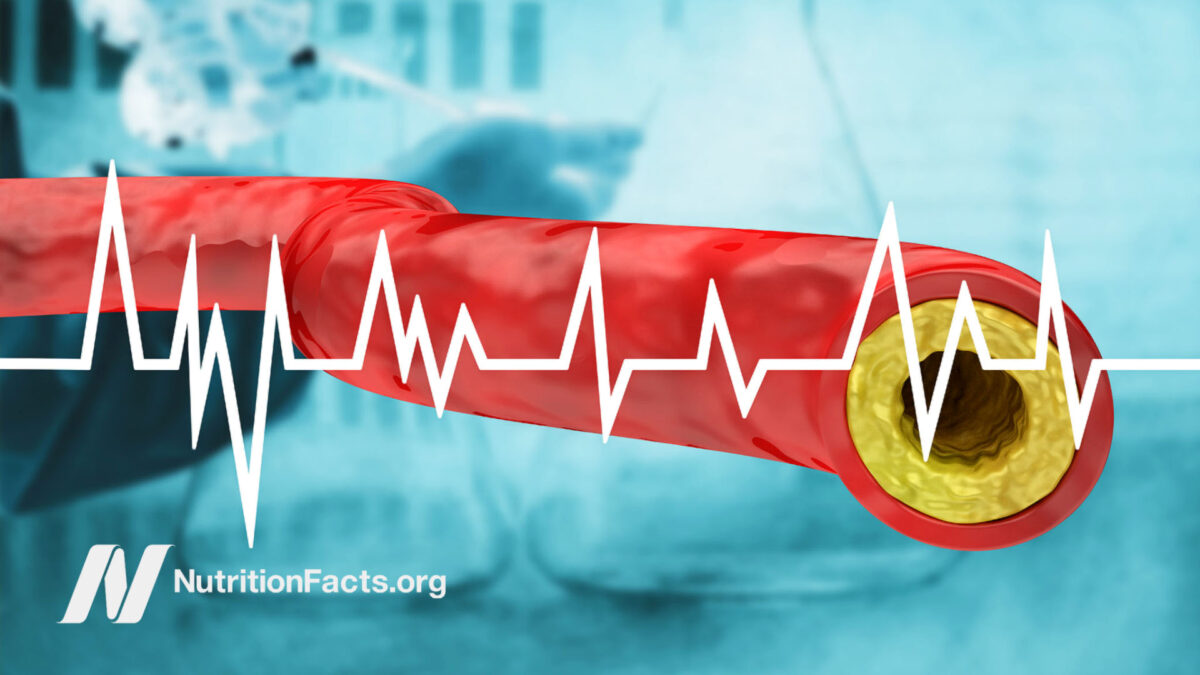
Cholesterol and Heart Disease: Why Has There Been So Much Controversy?
Is the role of cholesterol in heart disease settled beyond a reasonable doubt?
Can Cholesterol Get Too Low?
Why might healthy lifestyle choices wipe out 90 percent of our risk for having a...
How Much Longer Do You Live on Statins?
What are the pros and cons of relative risk versus absolute risk versus number-needed-to-treat versus...
Do Angioplasty Heart Stent Procedures Work?
There are demonstrably no benefits to the hundreds of thousands of angioplasty and stent procedures...
Why Angioplasty Heart Stents Don’t Work Better
Most heart attacks are caused by nonobstructive plaques that infiltrate the entire coronary artery tree....
The Risks of Heart Stents
Why are doctors killing or stroking out thousands of people a year for nothing? How...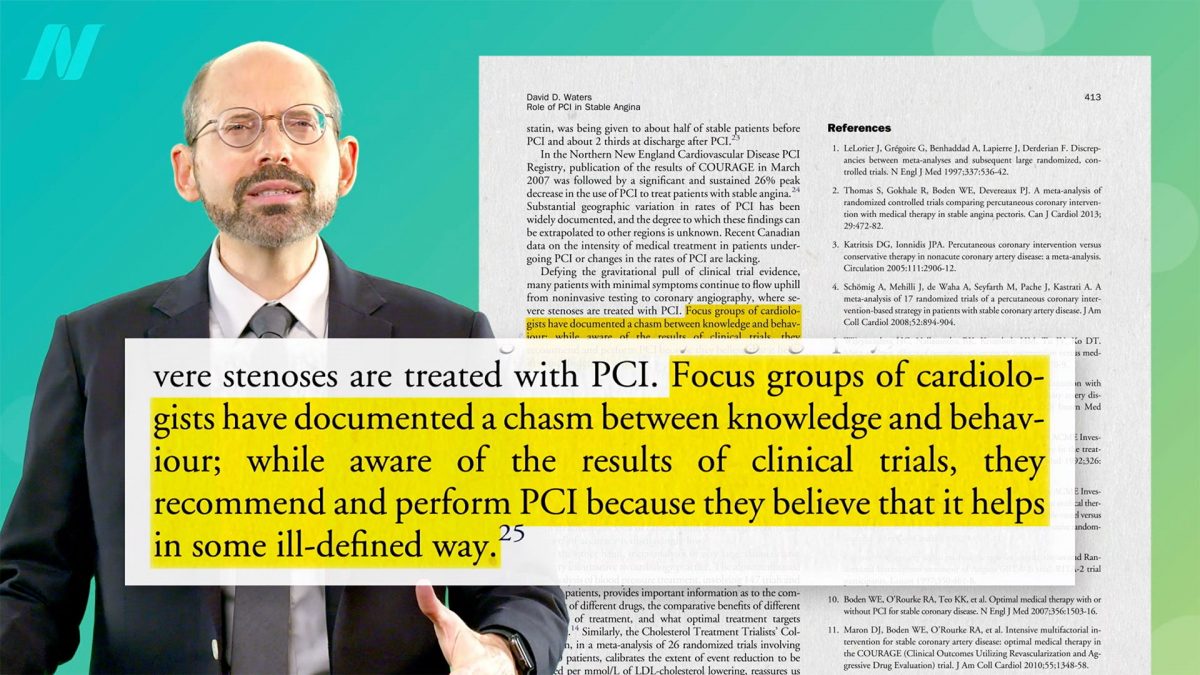
Angioplasty Heart Stent Risks vs. Benefits
What do physicians and stent companies have to say for themselves, given that they are...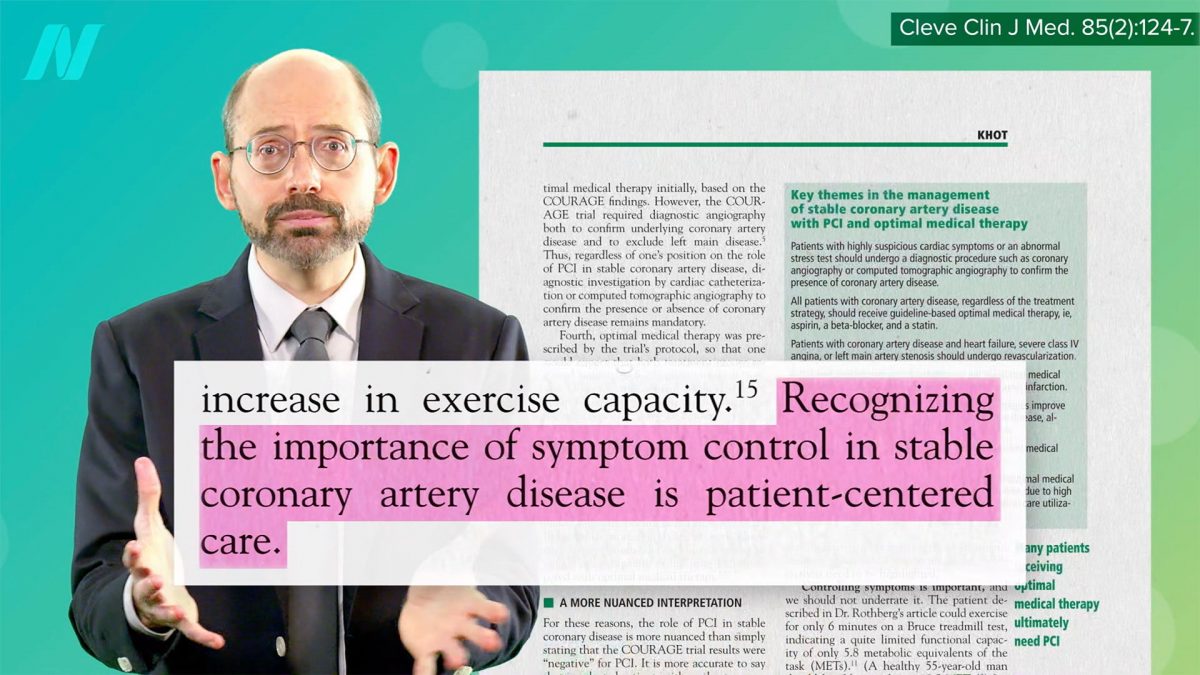
Do Heart Stent Procedures Work for Angina Chest Pain?
Sham surgery trials prove that procedures like nonemergency stents offer no benefit for angina pain—only...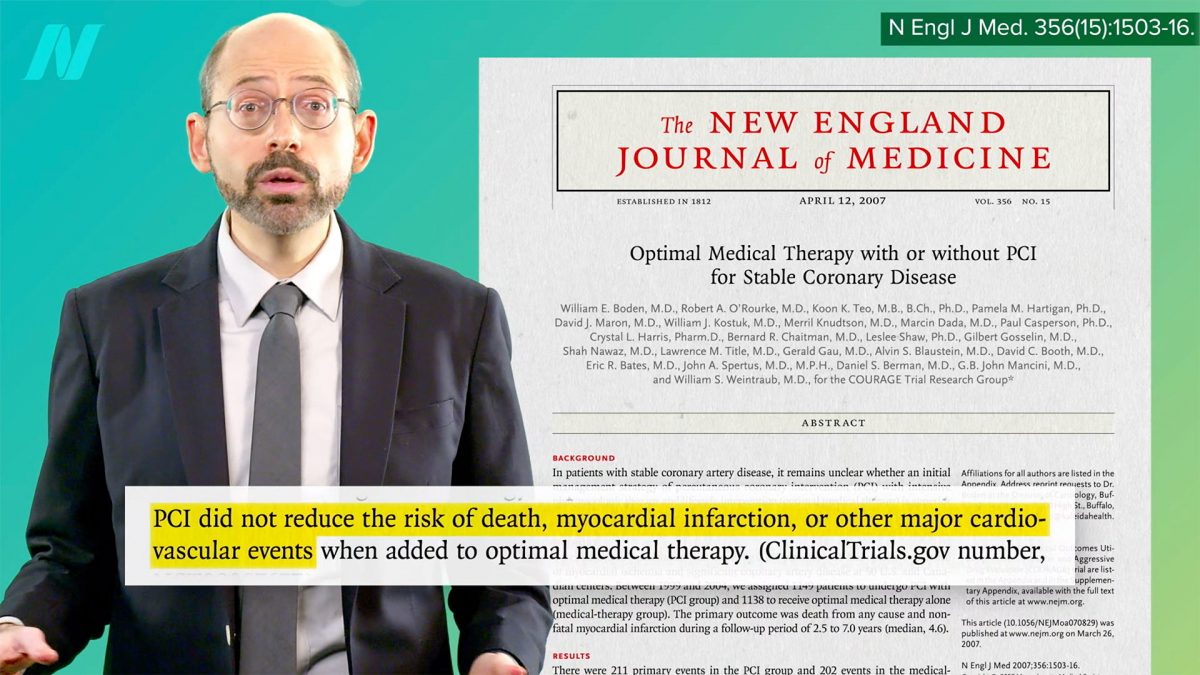
Why Are Stents Still Used If They Don’t Work?
Over and over, studies have shown that doctors tend to make different clinical decisions for...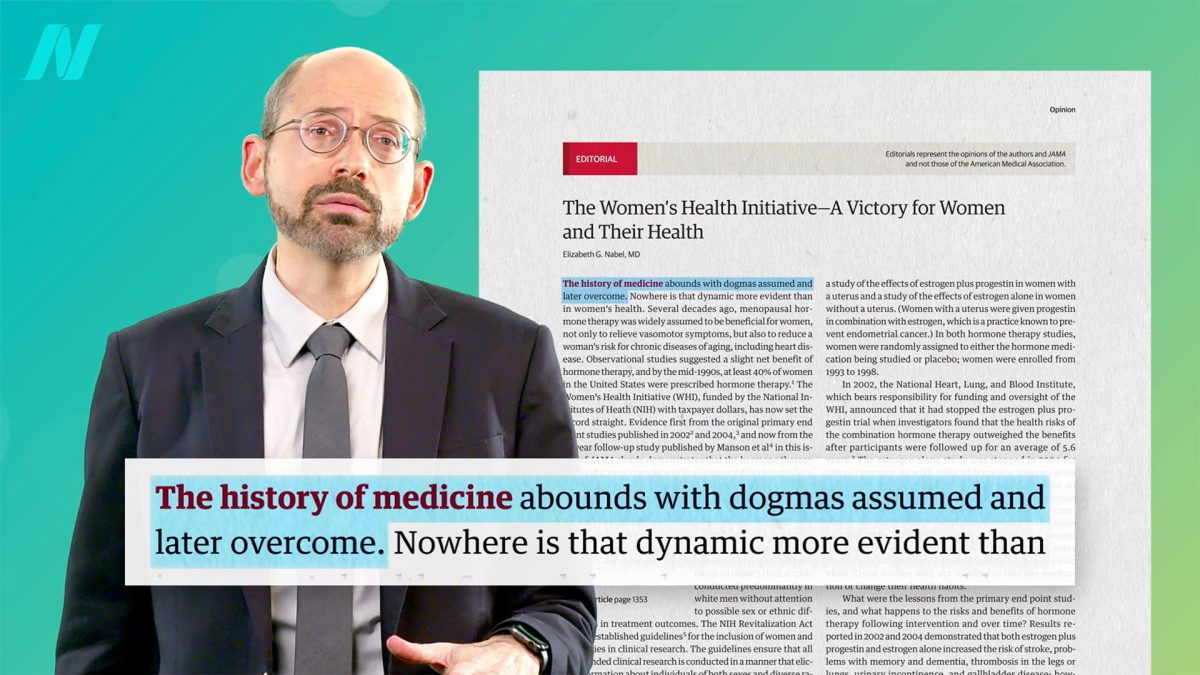
Heart Stents and Upcoding: How Cardiologists Game the System
Cardiologists can criminally game the system by telling a patient they have a much more...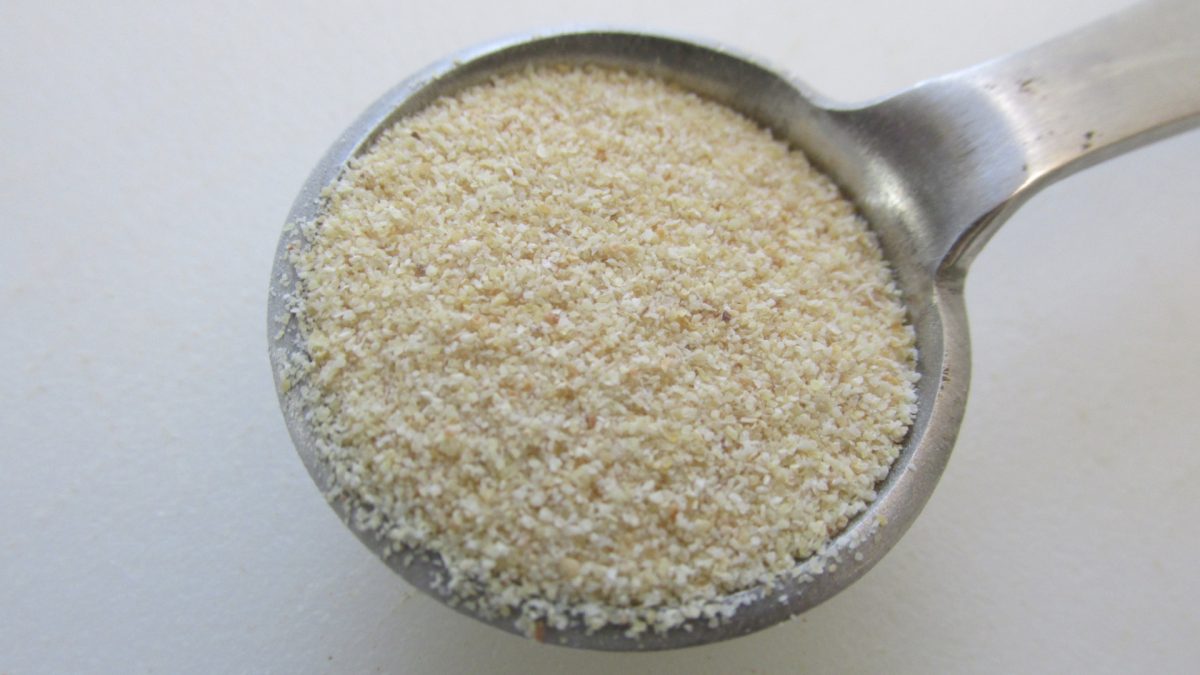
Benefits of Garlic Powder for Heart Disease
See what a penny a day worth of garlic powder can do.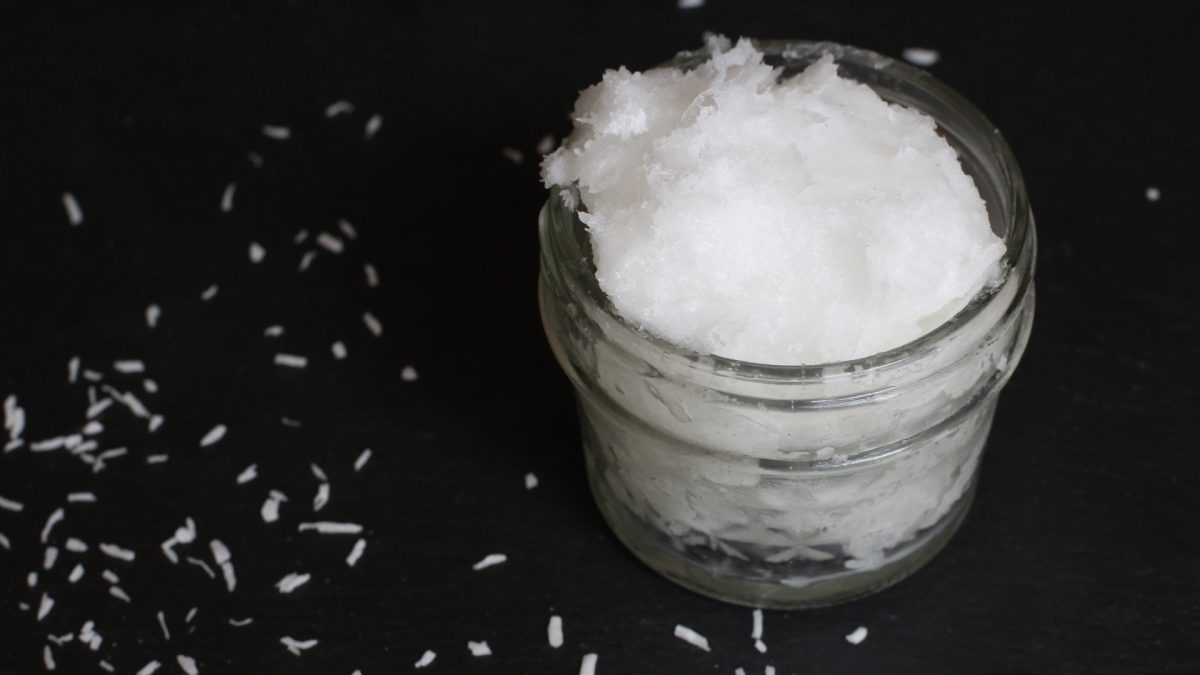
Coconut Oil and the Boost in HDL “Good” Cholesterol
The effects of coconut oil are compared to butter and tallow. Even if virgin coconut...
How Not to Die from Heart Disease
Lifestyle approaches aren’t only safer and cheaper—they can work better, because they let us treat...
Should We All Take Aspirin to Prevent Heart Disease?
The benefits of taking a daily aspirin must be weighed against the risk of internal...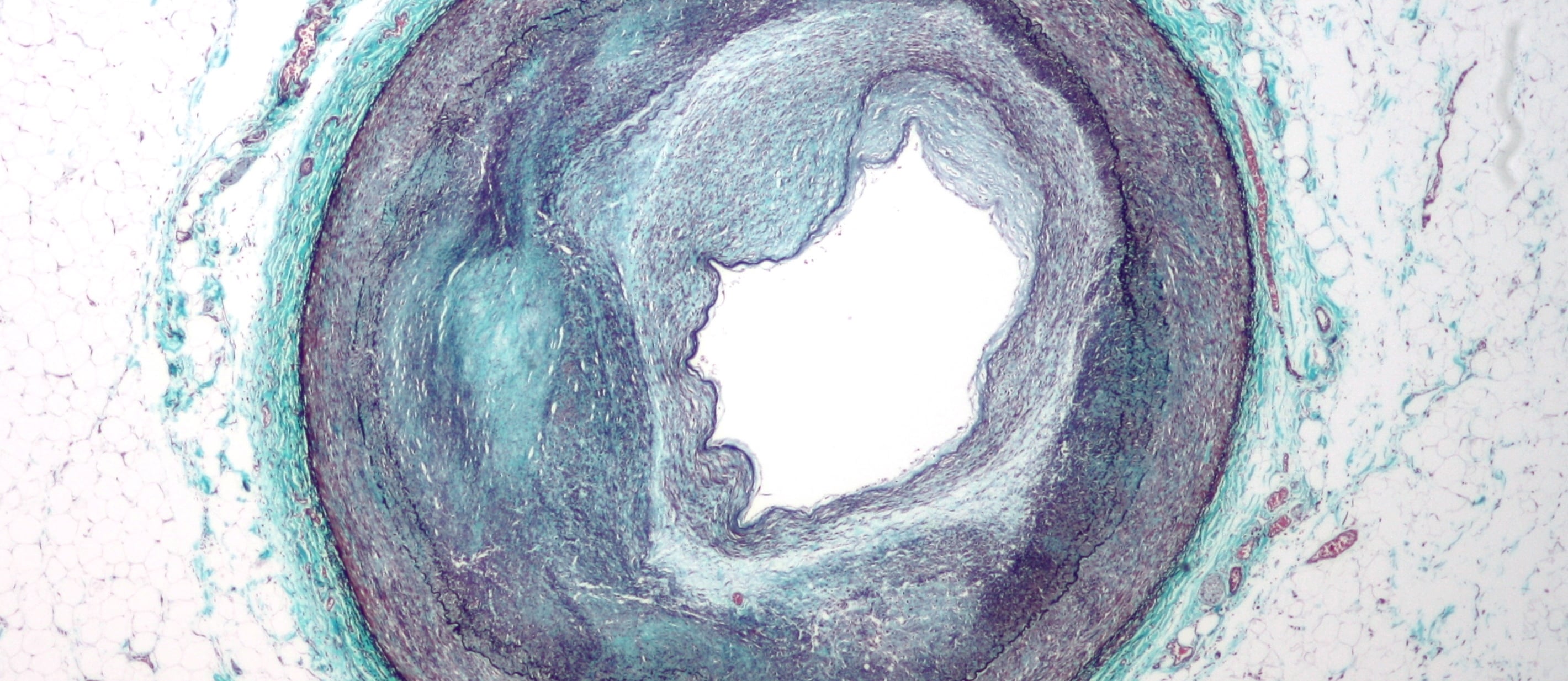
Heart Disease Starts in Childhood
By age 10, nearly all kids have fatty streaks in their arteries. This is the...
Lifestyle Medicine: Treating the Causes of Disease
If doctors can eliminate some of our leading killers by treating the underlying causes of...
The Actual Benefit of Diet vs. Drugs
The medical profession oversells the benefits of drugs for chronic disease since so few patients...
Optimal Cholesterol Level
Why don’t authorities advocate a sufficient reduction in cholesterol down to safe levels?
Physicians May Be Missing Their Most Important Tool
What might happen if nutritional excellence were taught in medical school?
Oxygenating Blood with Nitrate-Rich Vegetables
Vegetables such as beets and arugula can improve athletic performance by improving oxygen delivery and...
Omega 3s and the Eskimo Fish Tale
The concept that heart disease was rare among the Eskimos appears to be a myth.
Does Cholesterol Size Matter?
How do American Egg Board arguments hold up to scientific scrutiny, such as the concept...
When Low-Risk Means High-Risk
Dr. Rose’s sick-population concept may explain why many nutrition studies underestimate the role of diet...
Low-Carb Diets and Coronary Blood Flow
Blood flow within the hearts of those eating low-carb diets was compared to those eating...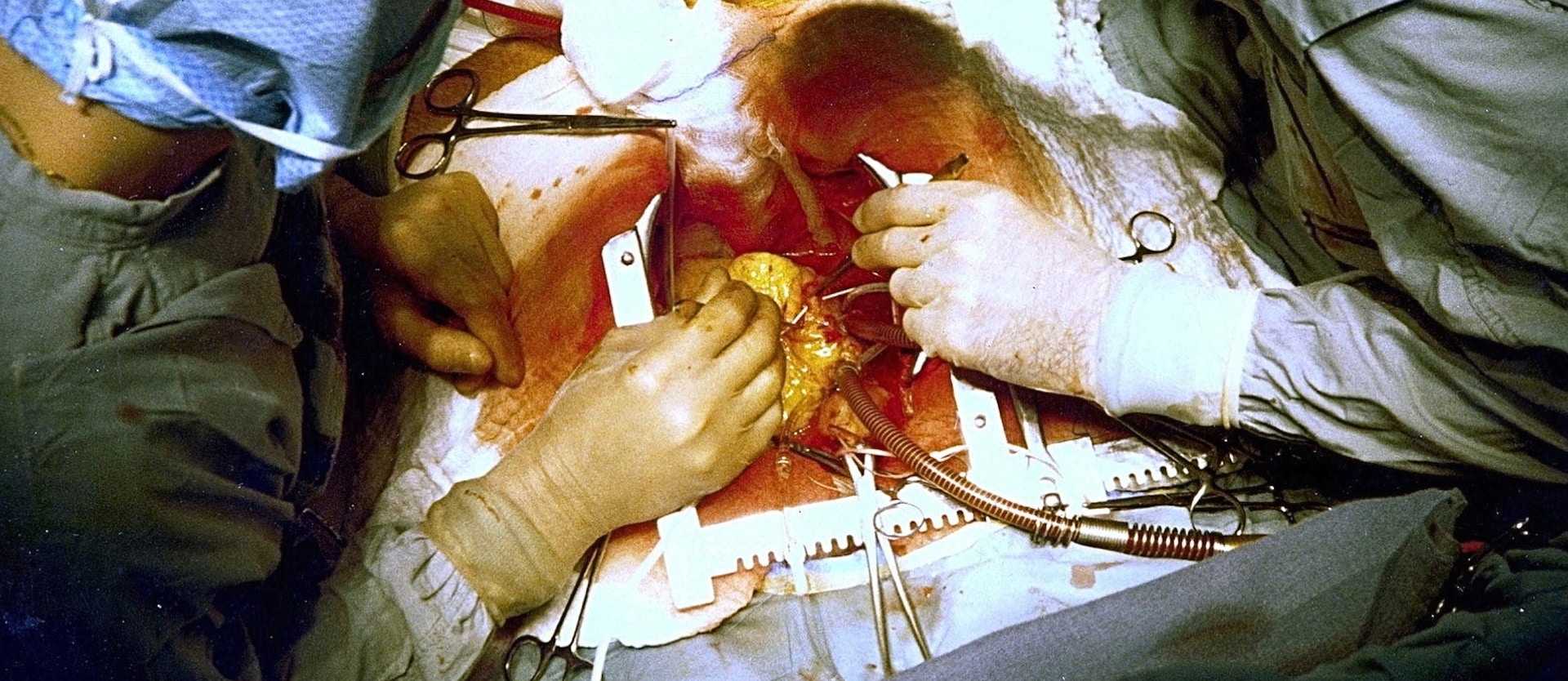
Fully Consensual Heart Disease Treatment
When doctors withhold dietary treatment options from cardiac patients, they are violating the cornerstone of...All Videos for Heart Disease
-

Benefits and Side Effects of the Flu Vaccine
Randomized placebo-controlled trials show that flu shots can be extraordinary lifesavers.
-
Why Do Milk Drinkers Live Shorter Lives on Average?
How might we reduce the risk of premature death from dairy consumption?
-
How to Boost Your Endothelial Progenitor Cells (EPCs) for Heart Health
How can we improve the capacity of our blood vessels to repair themselves?
-

Diet and Caloric Restriction for Longevity—The Monkey Trials
How can we make sense of the disparate results from the four primate studies on caloric restriction and lifespan?
-

Do Vitamin D Supplements Help Prevent Diabetes, Cancer Mortality, and Overall Mortality?
Randomized interventional trials are necessary to establish cause-and-effect.
-
How Not To Age – Live Presentation
In this live lecture, Dr. Greger offers a sneak peek into his latest book, How Not to Age, a New York Times Best Seller.
-
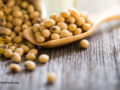
Soy Foods for Menopause Hot Flash Symptoms
Soy can be considered a first-line treatment for menopausal hot flash and night sweat symptoms.
-
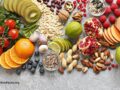
The Diet Shown to Slow Age-Related Hearing Loss
An interventional trial found that dietary changes may slow or even reverse the loss of hearing.
-

Update on Vegetarian Stroke Risk
Those eating more plant-based diets have lower risk of having a stroke, including both bleeding and clotting strokes.
-
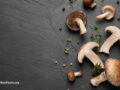
Dietary Sources of the “Longevity Vitamin” Ergothioneine
It may be even more important to include mushrooms (or tempeh) in our diet as we age.
-

The Best Diet for COVID and Long-COVID
Healthy plant-based diets appear to help reduce the risk of severe COVID-19 and getting infected in the first place, even independent of comorbidities.
-
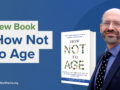
Book Trailer for How Not to Age
Learn about my newest book, How Not to Age, a New York Times Best Seller.
-

How to Prove Whether Yoga Has Special Health Benefits
Yoga practitioners are healthier, but does practicing yoga lead to good health, or does good health lead to practicing yoga?
-
Why Vegans Should Eat More Plant-Based
One cannot assume that simply avoiding animal foods will necessarily produce a healthy diet.
-
Dietary Cholesterol and Inflammation from Abdominal Obesity
The optimal intake of dietary cholesterol may be zero.
-
Vitamin D Supplements Tested for COPD, Heart Disease, Depression, Obesity, and Cancer Survival
Before watching the video, can you guess which conditions vitamin D has actually been proven to work for in randomized, double-blind, placebo-controlled trials?
-

The Negative Effects and Benefits of Plant-Based Diets
What are the pros and cons of plant-based eating?
-

Strategies to Eat Less Meat
What is the most effective way to help people reduce their meat consumption?
-
Dietary Guidelines: “Eat as Little Dietary Cholesterol as Possible”
Why do the official federal Dietary Guidelines for Americans recommend limiting the intake of dietary cholesterol (found mostly in eggs) as much as possible?
-
Update on Erythritol Sweetener Safety: Are There Side Effects?
Why are erythritol levels in the blood associated with higher levels of chronic disease?
-
How Much Erythritol Sweetener Is Too Much?
What are the maximum acute and daily doses for adults and children to avoid gastrointestinal effects?
-

Does Coffee Inhibit Iron Absorption? What Are the Effects of Having Too Much Iron?
Coffee and common herbal teas impair iron absorption, which may help explain some of their benefits.
-
The Role of Endotoxins in Alzheimer’s and Dementia
Why can a single meal high in saturated fat impair cognition?
-

The Best Diet for Fibromyalgia and Other Chronic Pain Relief
Anti-inflammatory diets can be effective in alleviating chronic pain syndromes.
-

How Tongue Scraping Can Affect Heart Health
Tongue scraping can boost the ability of the good bacteria in our mouth to take advantage of the nitrates in greens to improve our cardiovascular health.
-
The Best Diet for Cancer Patients
What diet should oncologists recommend?
-
The Harms Associated with Eating More Southern-Style Food
Diet appears to mediate the majority of the racial health gap.
-
Answering Your Questions About Cholesterol and Diabetes
I answer some common questions I’ve been asked about cholesterol and diabetes, such as “What is the ideal LDL?” “What’s going on when someone eats healthfully but their glucose is still out of control?”
-
Does Dietary Cholesterol (Eggs) Raise Blood Cholesterol?
Even nine out of ten studies funded by the egg industry show that eggs raise cholesterol.
-
Cholesterol and Heart Disease: Why Has There Been So Much Controversy?
Is the role of cholesterol in heart disease settled beyond a reasonable doubt?
-
The Purported Benefits of Vitamin K2: Should You Take Supplements?
Our body can make vitamin K2 from the K1 in green leafy vegetables.
-

Advanced Glycation End Products (AGEs) and Cognitive Decline
AGEs may be one explanation for why those who consume meat may have up to three times the risk of developing dementia compared with vegetarians.
-
How to Cultivate a Healthy Gut Microbiome with Food
Our gut flora is determined by what we eat, for good or for ill.
-

Why Don’t Health Insurers Encourage Healthier Eating?
Why don’t more big payors in health care embrace plant-based eating?
-
How Much Does Meat Affect Longevity?
If you care about your health so much that it would be unthinkable to light up a cigarette before and after lunch, maybe you should order a bean burrito instead of a meaty one.
-
How Big Meat Manipulated the Science
Big Meat downplays the magnitude of meat mortality.
-
The Health Risks vs. Benefits of Meat Consumption
The meat industry’s own study concluded that meat consumption increased the risk of cancer, heart disease, diabetes, and premature death.
-
Observational Studies Show Similar Results to Randomized Controlled Trials
How legitimate is the common corporate criticism of the scientific nutrition literature that the credibility of observational studies is questionable?
-
How Big Sugar Undermines Dietary Guidelines
International Life Sciences Organization, a nonprofit, is accused of being a front group for Coca-Cola and other junk food giants.
-
Are the Health Benefits of Nuts Limited to Those Eating Bad Diets?
Do nut eaters live longer simply because they swap in protein from plants in place of animal protein?