How Not to Die Documentary
In celebration of the 10th anniversary of the publication of How Not to Die, a documentary about my life and work.
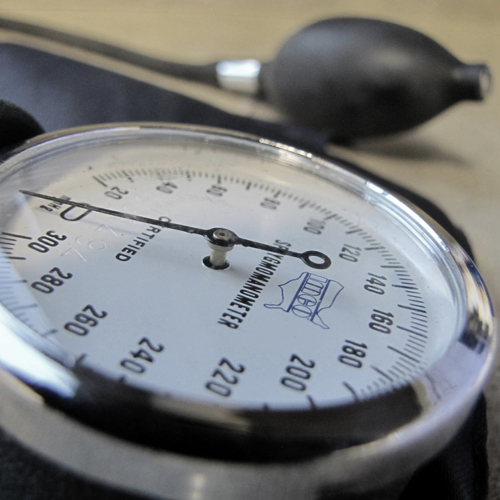
The number-one risk factor for death in the world—according to the Global Burden of Disease Study, the most comprehensive and systematic analysis of the causes of death ever undertaken—is high blood pressure. Also known as hypertension, high blood pressure reportedly lays waste to nine million people worldwide every year. It kills so many people because it may contribute to deaths from a variety of causes, including aneurysms, heart attacks, heart failure, kidney failure, and stroke.
Increased blood pressure may put a strain on the heart and damage the sensitive blood vessels in our eyes and kidneys, cause bleeding in the brain, and even lead certain arteries to balloon and rupture. The fact that hypertension is able to damage so many organ systems and increase the risk of heart disease and stroke, two of our leading killers, explains why it is the number-one killer risk factor worldwide.
As we age, our blood pressure tends to get higher and higher. Is high blood pressure, like wrinkles or gray hair, just an inevitable consequence of aging? We’ve known for nearly a century that this isn’t true, based on studies of population studies in areas like rural China where average blood pressures remained around the ideal of 110/70 their entire lives. Their plant-based diets may have played a factor given that the only population in the Western world that enjoys such low average pressures may be those eating strictly plant-based.
So high blood pressure may be a choice: We can continue eating the artery-bursting Western diet, or we can choose to take off the pressure by centering our diet around unprocessed (no added sodium) plant foods. Eliminating humanity’s primary risk factor for death may be simple. No drugs, no scalpels. Just forks.
For substantiation of any statements of fact from the peer-reviewed medical literature, please see the associated videos below.
Image Credit: jasleen_kaur / Flickr. This image has been modified.
In celebration of the 10th anniversary of the publication of How Not to Die, a documentary about my life and work.
Eating licorice or drinking licorice tea can cause the loss of body fat by blocking the effects of a stress hormone, but at what cost?

One function of sleep is the clearance of toxic waste byproducts through a newly discovered drainage system in the brain.

Why do some populations retain their hearing into old age?

Those eating more plant-based diets have lower risk of having a stroke, including both bleeding and clotting strokes.

What are the pros and cons of plant-based eating?
What did a randomized, double-blind, placebo-controlled trial of hibiscus tea for weight loss find?
I share a touching story of the power of plant-based eating for chronic kidney failure.
The best of soul food’s origins are tied to the plant-centric West African diet.

Anti-inflammatory diets can be effective in alleviating chronic pain syndromes.

What is the best technique and the best frequency for tongue scraping?

Tongue scraping can boost the ability of the good bacteria in our mouth to take advantage of the nitrates in greens to improve our cardiovascular health.
Tainted chicken may result in more than a million urinary tract infections in American women every year.

Why are Black Americans sicker and die younger than their white counterparts, and what can we do about it?

What foods should we eat and avoid to reduce our risk of Afib?

Why don’t more big payors in health care embrace plant-based eating?

Healthy kidneys are required for potassium excretion. If you aren’t sure if you’re at risk, ask your doctor about getting your kidney function tested.

Is potassium chloride win-win by decreasing sodium intake and increasing potassium intake?
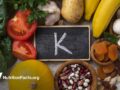
A staggering 99.99 percent of Americans fail to get the minimum recommended potassium intake (despite it being perhaps only half of our natural intake) and stay below the recommended sodium intake (even though it may be twice our natural intake).

What can we do to boost the longevity hormone FGF21?

If you eat potatoes when they’re cold, as in potato salad, or chilled and reheated, you can get a nearly 40 percent lower glycemic impact.
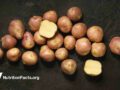
Do potato eaters live longer or shorter lives than non-potato eaters?
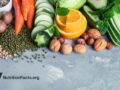
How can you get a perfect diet score?

The American Medical Association has passed a resolution encouraging healthy plant-based food options be available in hospitals.
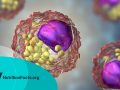
Having a so-called normal cholesterol in a society where it’s normal to drop dead of a heart attack isn’t necessarily a good thing.

What is the dirty little secret of drugs for lifestyle diseases? If patients knew the truth of how little these drugs actually worked, almost no one would agree to take them.

How can you calculate your own personal heart disease risk and use it to determine if you should start on a cholesterol-lowering statin drug?
Is heme just an innocent bystander in the link between meat intake and breast cancer, diabetes, heart disease, stroke, and high blood pressure?
What are the different impacts of plant protein versus animal protein, and do the benefits of plant proteins translate to plant protein isolates?
Increased risk of metabolic complications starts at an abdominal circumference of 31.5 inches in women and 37 inches in most men, though it’s closer to 35.5 inches for South Asian, Chinese, and Japanese men.
Losing weight can reduce sciatica, hypertension, and cancer risk, and reverse type 2 diabetes.
Fasting, followed by a plant-based diet, is put to the test for autoimmune inflammatory joint disease.

The temporary quintupling of heart attack risk associated with cannabis smoking may be due to the increased heartrate, blood pressure, and carbon monoxide levels.
Is it possible to reverse type 1 diabetes if caught early enough?
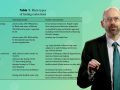
Buchinger modified fasting is put to the test.
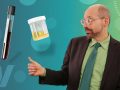
Many doctors mistakenly rely on serum B12 levels in the blood to test for vitamin B12 deficiency.
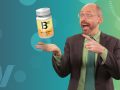
Not taking B12 supplements or regularly eating B12 fortified foods may explain the higher stroke risk found among vegetarians.

The first study in history on the incidence of stroke of vegetarians and vegans suggests they may be at higher risk.

We need to reform the food system before it’s too late.
There are things you can do right now to reduce your risk of falling seriously ill and dying from this disease.

