
Lowering Dietary Antibiotic Intake
What a few days eating vegetarian can do to the levels of antibiotics and phthalates flowing through one’s body.
What a few days eating vegetarian can do to the levels of antibiotics and phthalates flowing through one’s body.

Where do DDT, hexachlorobenzene, PCBs, and perfluorochemicals (linked to thyroid disease) concentrate in the food supply?
Are pregnant women who eat fish, other meat, and dairy still passing along the pesticide DDT—even decades after it was banned?

Other than pet food and fish (which may be most contaminated), how do fire-retardant chemicals (PBDEs) and polychlorinated naphthalenes (PCNs) concentrate in the American food supply?
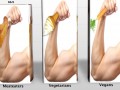
Animal protein consumption triggers the release of the cancer-promoting growth hormone IGF-1.

Common slimming supplements are found to be ineffective, whereas a diet centered on whole plant foods is described as perhaps the safest approach to weight control.

Within a matter of weeks, participants placed on the vegan diet outlined by the prophet Daniel experienced improvements in blood pressure, cholesterol and insulin levels, insulin resistance, and C-reactive protein levels, a marker of inflammation within the body.

The secret to naturally boosting serotonin levels in the brain may include eating foods such as pumpkin seeds, with a high tryptophan-to-total protein ratio. This may help explain why studies show that those eating plant-based diets have superior mood states.
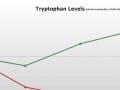
Contrary to popular belief, the consumption of animal foods may actually decrease tryptophan levels in the brain. Carbohydrates, on the other hand, can boost transport across the blood-brain barrier, which has been used to explain premenstrual cravings.

Death in America is largely a foodborne illness. Focusing on studies published just over the last year in peer-reviewed scientific medical journals, Dr. Greger offers practical advice on how best to feed ourselves and our families to prevent, treat, and even reverse many of the top 15 killers in the United States.

The whole grain phytonutrient phytic acid (phytate) partially inhibits mineral absorption, but has a wide range of health-promoting properties, such as anticancer activity. By concurrently eating mineral absorption enhancers, such as garlic and onions, one can get the best of both worlds by improving the bioavailability of iron and zinc in plant foods.
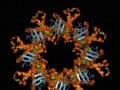
The high bacteria load in raw or cooked animal foods and fermented foods may trigger an endotoxemic surge of inflammation, which may be exacerbated by the presence of saturated animal fat.

The endotoxemia (bacterial toxins in the bloodstream) that follows a meal of animal products and results in inflammation and stiffened arteries may come from the food itself, rather than from one’s own gut bacteria.
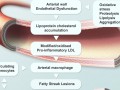
A single meal of meats, eggs, and dairy can cause a spike of inflammation within hours that can stiffen one’s arteries. Originally, this was thought to be the result of saturated animal fat causing our gut lining to leak bacterial toxins into our bloodstream, leading to endotoxemia.
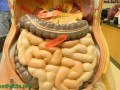
Meat (including fish), cheese, and animal protein intake in general have been associated with an increased risk of inflammatory bowel disease (IBD). In the meantime, plant-based diets may not only help prevent such conditions, but treat them as well, resulting in the longest recorded remission rates for Crohn’s disease.
By preventing the buildup of cholesterol in our bloodstream, we can prevent atherosclerosis in our coronary arteries—the leading cause of death in the United States for both men and women. This involves increasing our intake of fiber-containing plant foods, and decreasing our intake of trans fat, saturated fat, and cholesterol found in junk food and animal products.

Risk of developing cataracts was compared in meat-eaters, fish-eaters, vegetarians, and vegans.

Dairy is considered a major cause of the acne epidemic, and other more serious chronic diseases in the Western world, due to the “abuse” of the mammalian postnatal signaling system by widespread cow milk consumption.

Three Harvard studies linking acne with dairy consumption in adolescent girls and boys blamed the sex steroid hormone content naturally found in cow’s milk (even without added hormones)—particularly skim.
The Harvard Nurses’ Study found an association between high school dairy intake and severe physician-diagnosed acne.

Opiate-like casomorphins liberated from the cow’s milk protein, casein, are accused of participating in the cause of such conditions as autism, crib death, type I diabetes, postpartum psychosis, circulatory disorders, and food allergies.

Bovine casomorphin from cow’s milk is suspected to increase the risk of SIDS (sudden infant death syndrome, or crib death) based on the elevated blood levels in babies suffering acute life-threatening events, and their relative inability to clear it from their systems.

The opiate-like effects of the casomorphin in cow’s milk may have a depressive effect on the respiratory center of infants, and lead to “milk apnea,” in which babies temporarily stop breathing, and are placed at risk for sudden infant death syndrome (crib death).

Cheese manufacturers use spider-like insects and fly larvae to impart particular flavors and aromas to certain cheeses.

Plant-based diets may offer the best investment for dietary health.

In a study of a half million people, which was most associated with the risk of developing lymphoma? Red meat, processed meat, poultry, offal, eggs, or milk?

Breast cancer survivors may reduce their chances of survival if they eat too much saturated fat, found primarily in the American diet in cheese, chicken, and junk food.

Since foods are effectively a package deal, what’s the best way to get vitamin B12 (cobalamin)?

The antioxidant power of American breakfast fare is compared to a smoothie that contains berries, white tea leaves, and Indian gooseberry (amla) powder.
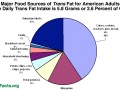
The intake of trans fats, which come mostly from junk food and animal products; saturated fat, mostly from dairy products and chicken; and cholesterol, coming mostly from eggs and chicken, should be as low as possible.
MyPlate represents a significant improvement over the USDA Food Guide Pyramid.
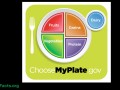
Following the recommendations of the 2010 Dietary Guidelines Advisory Committee to “shift food intake patterns to a more plant-based diet,” the latest USDA guidelines include a vegan adaptation.

Unlike the United States, where the agriculture department is the lead agency on formulating dietary recommendations, other countries such as Greece rely on their health department. What do their dietary guidelines look like?
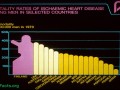
The success story in Finland shows that science-based dietary guidelines can save millions of lives.

How have the Dietary Guidelines for Americans evolved over the years since they were first issued in 1980?
The mission of the U.S. Department of Agriculture is to promote agribusiness. At the same time, the USDA is the agency primarily tasked with developing the nutrition guidelines.

He who pays the piper calls the tune: studies funded by the dairy and soda industries appear to be even more biased than studies funded by drug companies.

The National Dairy Council teams up with the Salt Institute to downplay the risk of sodium in the American diet.

The top three sources of industrial toxins in the diet are fish oil, fish, and eggs.
Eating chicken during pregnancy may affect the size and development of one’s son’s penis due to phthalate contamination of the meat.