Amla
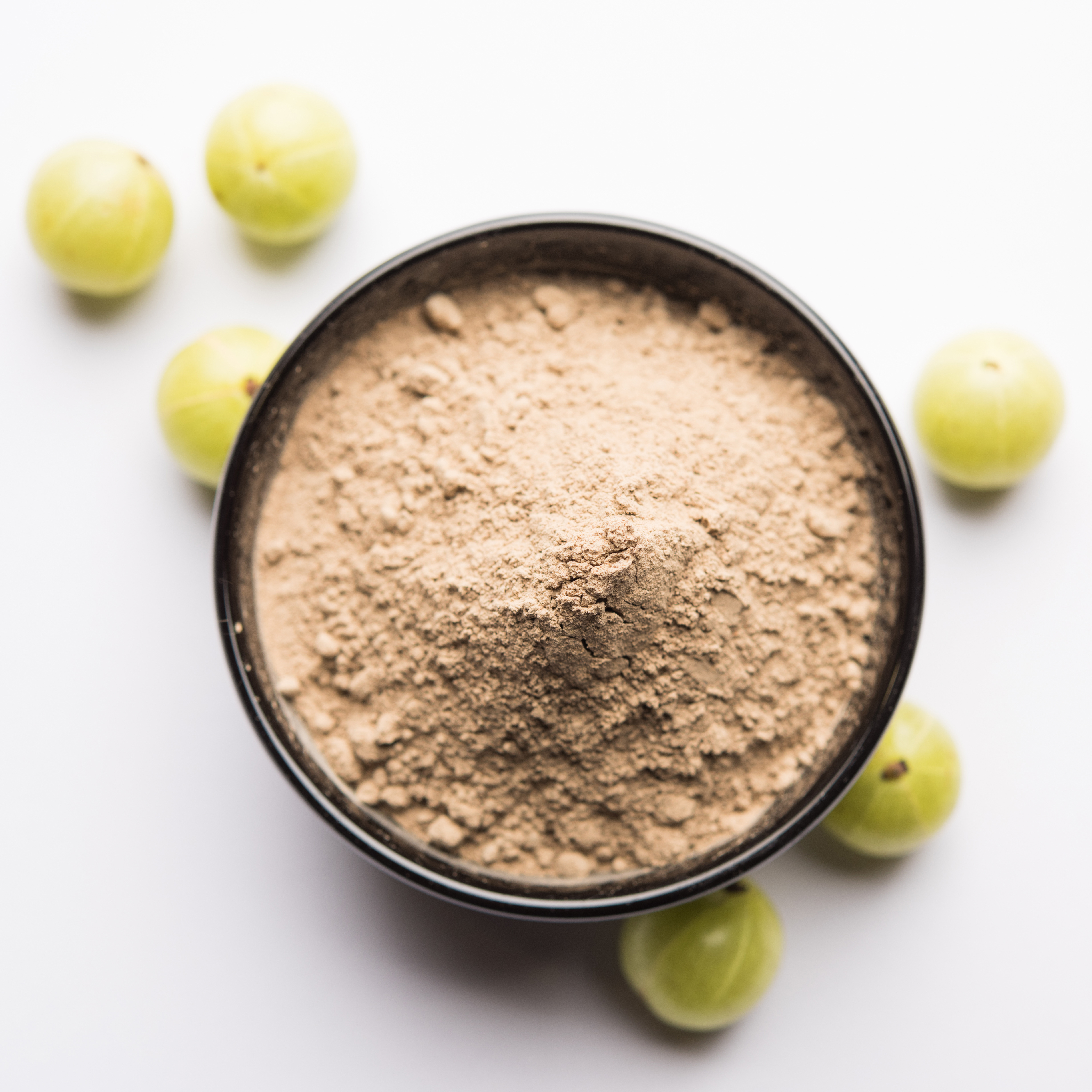
Amla, also known as Indian gooseberry, is one of the most antioxidant-rich foods on Earth. Though unfamiliar to many, particularly in Western countries, powdered and dried amla fruit is commonly used in Ayurvedic herbal preparations and the subject of hundreds of articles in the medical literature, including papers with hyperbolic titles like “Amla…a Wonder Berry in the Treatment and Prevention of Cancer.”
Are All Gooseberries the Same?
Indian gooseberries are not to be confused with Barbados gooseberries, Cape gooseberries, Chinese gooseberries (also known as kiwi fruit), Jamaican gooseberries, or Tahitian or star gooseberries.
Amla and Cancer
In vitro studies have shown that amla may have anticancer properties and not only appear able to block cancer cell growth, but also cancer cell invasion. Amla kills cancer cells but leaves normal cells alone. It was tested against six human cancer cell lines: lung cancer, liver cancer, cervical cancer, breast cancer, ovarian cancer, and colon cancer. When amla was dripped on cancer cells, the growth rates cut in half, then stopped completely. Amla then began killing off the cancer. By the end, more than half the cancer cells were dead.
A Powerful Source of Antioxidants
Amla is, on average, the single most antioxidant-packed whole food on the planet. One teaspoon of gooseberry powder costs about four pennies and provides 1,500 units of antioxidant power, which is more than the average person gets in an entire week.
Reducing Our Cholesterol
Just 500 milligrams of powdered amla, which is about a tenth of a teaspoon, may work as well as Zocor, a leading cholesterol-lowering drug.
Improving Our Arterial Function
Amla may reduce artery stiffness, so it may be a good alternative to statins in individuals with diabetes who have artery dysfunction because of its benefits without the adverse effects of drugs, which may include muscle damage or liver dysfunction.
Amla and Diabetes
Some clinical research has also shown that amla powder may work as well as a leading diabetes drug—again without the side effects.
Better Digestion
Dyspepsia is a fancy word for an upset stomach—feelings of fullness, discomfort, nausea, bloating, belching—affecting up to one in five individuals. One teaspoon of dried Indian gooseberry powder three times a day may work as well as a gel antacid every three hours: significant decreases in peak acid output and a cutting of dyspepsia symptom scores in half.
Other Benefits
Indian gooseberries have also been found to have cough-, fever-, pain-, stress-, and diarrhea-suppressing effects.
Where to Find Amla
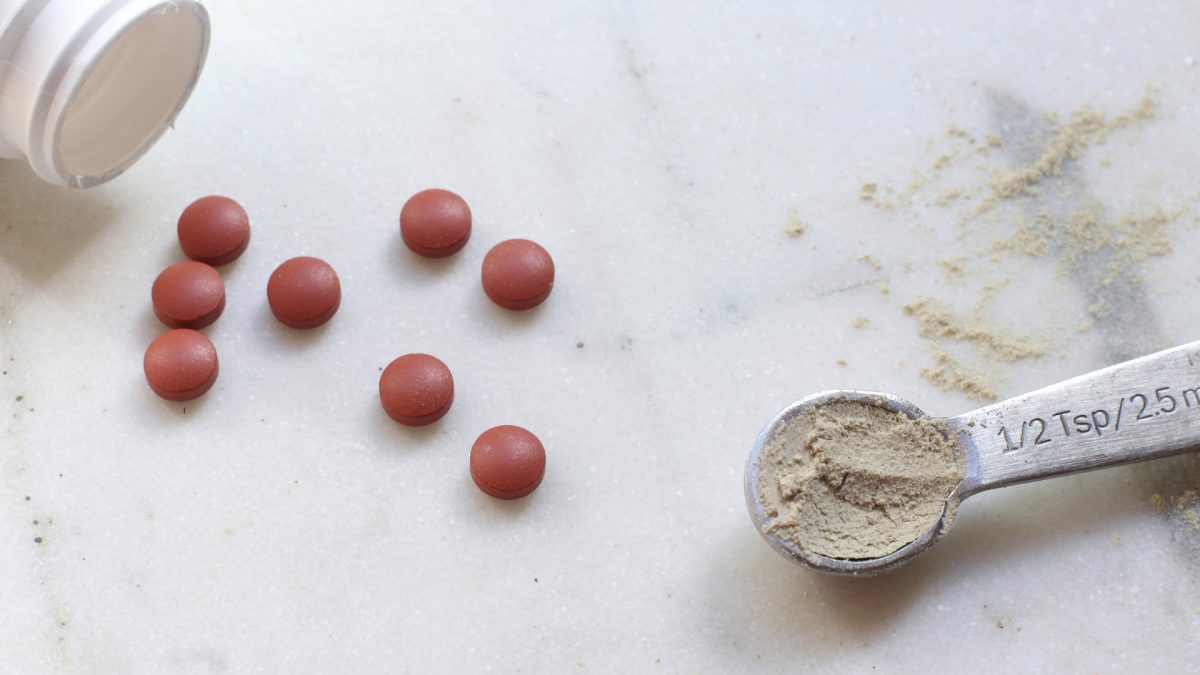
Amla can be purchased online or at Indian spice stores. Although some Ayurvedic herbal supplements have been found to be contaminated with heavy metals, none of the samples of powdered amla tested so far appear to be contaminated. Whole Indian gooseberries can be found in the frozen section of Indian grocery stores, but some find them inedible—astringent, sour, bitter, and fibrous all at the same time. The powder isn’t much tastier, but it can be disguised in something with a strong flavor, like a smoothie. Alternatively, amla can be packed into capsules.
Eating Amla Fruit
Amla can be bought in various forms: frozen, dried, sweetened, salted, pickled, packed in syrup, packed in nitrogen. Add a teaspoon of powder to smoothies, and you probably wouldn’t even taste it.
For substantiation of any statements of fact from the peer-reviewed medical literature, please see the associated videos below.
Image Credit: Adobe Stock. This image has been modified.
Popular Videos for Amla
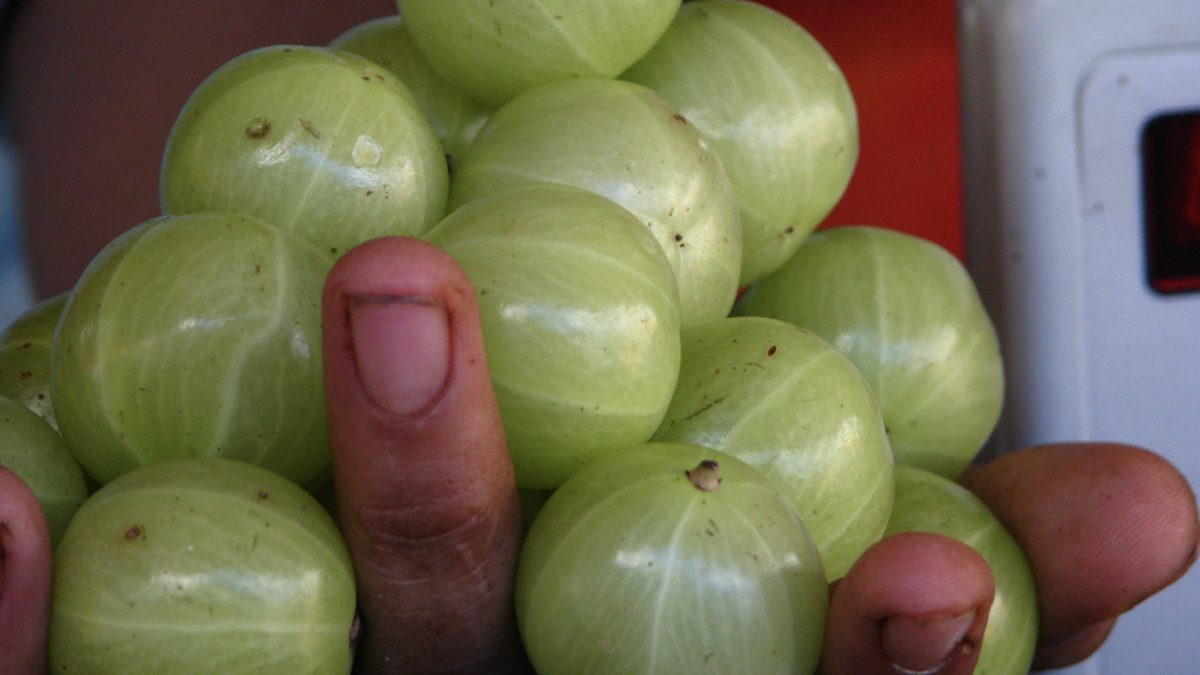
The Best Food for High Cholesterol
Are the apparently amazing benefits of amla—dried Indian gooseberries—too good to be true?
Dragon’s Blood
The four most antioxidant-packed natural substances so far tested are cloves, amla (Indian gooseberries), triphala...
Amla & Triphala Tested for Metals
Both U.S.-made and imported Ayurvedic dietary supplements have high contamination rates of toxic metals such...
A Better Breakfast
The antioxidant power of American breakfast fare is compared to a smoothie that contains berries,...All Videos for Amla
-

The Benefits of Saffron for Treating Age-Related Macular Degeneration
Eight threads of saffron a day can improve visual acuity in older adults with mild or moderate age-related macular degeneration.
-

Anti-Inflammatory Foods: The Benefits of Berries
Which fruits have anti-inflammatory effects and which do not?
-

Natural Ozempic Alternatives: Boosting GLP-1 with Diet and Lifestyle
Certain spices and the quinine in tonic water can boost GLP-1, but at what cost?
-

How to Lower Lp(a) with Diet
What to eat and what to avoid to lower the cardiovascular disease risk factor lipoprotein(a).
-
The Best Diet for Upset Stomach
What to avoid and what to eat to help with dyspepsia.
-
Amla vs. Drugs for Cholesterol, Inflammation, and Blood-Thinning
Extracts of amla (Indian gooseberry) were pitted head-to-head against cholesterol-lowering statin drugs and the blood thinners aspirin and Plavix.
-
The Best Food for High Cholesterol
Are the apparently amazing benefits of amla—dried Indian gooseberries—too good to be true?
-

What’s the Best Mouthwash?
There’s a cheap concoction one can make at home that safely wipes out cavity-forming bacteria on our teeth better than chlorhexidine mouthwash and also reduces their plaque-forming ability.
-
Boosting Immunity While Reducing Inflammation
Cooked white mushroom consumption stimulates antibody production, while potentially still playing an anti-inflammatory role.
-

Dragon’s Blood
The four most antioxidant-packed natural substances so far tested are cloves, amla (Indian gooseberries), triphala (a combination of amla, bibhitaki, and haritaki fruits), and dragon’s blood.
-

Amla & Triphala Tested for Metals
Both U.S.-made and imported Ayurvedic dietary supplements have high contamination rates of toxic metals such as mercury—though only a small fraction of the levels found in canned tuna.
-

Some Ayurvedic Medicine Worse than Lead Paint Exposure
Triphala, a combination of three fruits—amla, bibhitaki, and haritaki—is the most commonly used herbal formulation in Ayurvedic medicine, and may have powerful anticancer properties. Unfortunately, one in five Ayurvedic herbal dietary supplements were found contaminated with lead, mercury, and/or arsenic.
-

A Better Breakfast
The antioxidant power of American breakfast fare is compared to a smoothie that contains berries, white tea leaves, and Indian gooseberry (amla) powder.
-
Antioxidants in a Pinch
Some herbs and spices—including cinnamon, cloves, lemon balm, marjoram, oregano, and peppermint—are so rich in antioxidants that just a small pinch can go a long way.
-
Amla vs. Diabetes
For a dollar a month, Indian gooseberry (amla) powder may work as well as a leading diabetes drug—without the side effects.
-

Amla vs. Cancer Cell Invasion
Indian gooseberries (amla) block breast cancer cell growth and metastasis potential in vitro.
-
Amla vs. Cancer Cell Growth
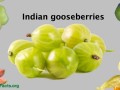
Indian gooseberries (amla), an important plant in Ayurvedic medicine, may have anticancer properties, as well as cough-, fever-, pain-, stress-, and diarrhea-suppressing effects.
-

Better than Goji Berries
There are some dried fruits even more antioxidant-packed than goji berries.
-

Antioxidant Content of 3,139 Foods
In the most extensive study of its kind ever published, the amount of anti-aging anticancer antioxidants is measured across thousands of different foods.