How Not To Age – Live Presentation
In this live lecture, Dr. Greger offers a sneak peek into his latest book, How Not to Age, a New York Times Best Seller.
The most comprehensive analysis of diet and cancer ever performed was published by the American Institute for Cancer Research. Sifting through some half a million studies, nine independent research teams from around the globe created a landmark scientific consensus report reviewed by 21 of the top cancer researchers in the world. One of their summary cancer-prevention recommendations is to eat whole grains and/or legumes (beans, split peas, chickpeas, or lentils) with every meal. Not every week or every day. Every meal.
The federal government’s MyPlate campaign was developed to prompt Americans to think about building healthy meals. Most of your plate should be covered with vegetables and grains, preferably whole grains, with the rest of the plate split between fruits and the protein group. Legumes were given special treatment, straddling both the protein and the vegetable groups. They’re loaded with protein, iron, and zinc, as you might expect from other protein sources like meat, but legumes also contain nutrients that are concentrated in the vegetable kingdom, including fiber, folate, and potassium. You get the best of both worlds with beans, all the while enjoying foods that are naturally low in saturated fat and sodium and free of cholesterol.
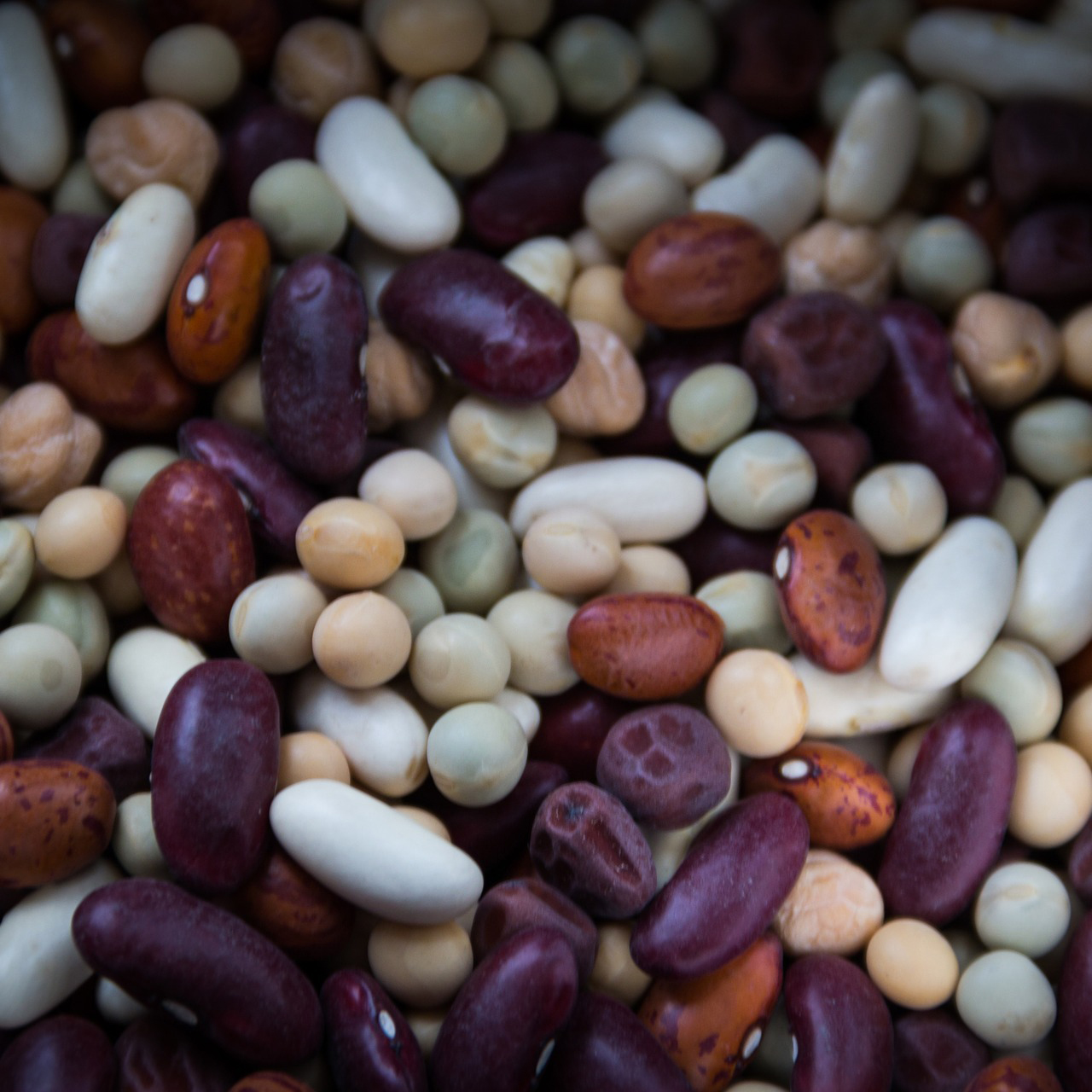
Legumes comprise all the different kinds of beans, including soybeans, split peas, chickpeas, and lentils. While eating a bowl of pea soup or dipping carrots into hummus may not seem like eating beans, it is. We should all try to get three servings a day. A serving is defined as a quarter cup of hummus or bean dip; a half cup of cooked beans, split peas, lentils, tofu, or tempeh; or a full cup of fresh peas or sprouted lentils.
Legume consumption is associated with a slimmer waist and lower blood pressure, and randomized trials have shown it may match or beat out calorie cutting for slimming tummy fat as well as improving the regulation of blood sugar, insulin levels, and cholesterol. Beans are packed with fiber, folate, and phytates, which may help reduce the risk of cardiovascular disease, depression, and colon cancer. The phytoestrogens in soy in particular appear to both help prevent breast cancer and improve breast cancer survival. No wonder the cancer guidelines suggest you should try to fit beans into your meals—and it’s so easy! They can be added to nearly any meal, easily incorporated into snack times, or served as the star attraction. The possibilities are endless.
For substantiation of any statements of fact from the peer-reviewed medical literature, please see the associated videos below.
Image Credit: Niek Verlaan / Pixabay. This image has been modified.
In this live lecture, Dr. Greger offers a sneak peek into his latest book, How Not to Age, a New York Times Best Seller.
The composition of breast milk is compared between vegetarian and nonvegetarian women.
The best of soul food’s origins are tied to the plant-centric West African diet.
Before there was insulin, there was the “oatmeal cure.”

What kind of diet should cancer patients eat?

A combination of low calcium intake and low vitamin D exposure may explain higher bone fracture rates in British vegans.

How might we maximize the therapeutic efficiency of levodopa?

If you care about your health so much that it would be unthinkable to light up a cigarette before and after lunch, maybe you should order a bean burrito instead of a meaty one.
Which legumes are best at inhibiting the matrix metalloproteinase enzymes that allow cancer to become invasive?

How did the meat industry, government, and cancer organizations respond to the confirmation that processed meat, like bacon, ham, hot dogs, and lunch meat, causes cancer?

If you eat potatoes when they’re cold, as in potato salad, or chilled and reheated, you can get a nearly 40 percent lower glycemic impact.
How can you get a perfect diet score?
Switching to a plant-based diet has been shown to achieve far better outcomes than those reported on conventional treatments in both active and quiescent stages in both Crohn’s disease and ulcerative colitis.
What are the three sources of the liver fat in fatty liver disease and how do you get rid of it?
What are the effects of plant-based meats on premature puberty, childhood obesity, and hip fracture risk?
What happens when you compare the trans fats, saturated fat, sodium, and cholesterol levels in plant-based versus animal-based burgers?
An entire issue of a cardiology journal dedicated to plant-based nutrition explores the role an evidence-based diet can play in the reversal of congestive heart failure.
How much greenhouse gas does the production of different foods cause measured in miles driven or lightbulb hour equivalents?

The EAT-Lancet Commission lays out the best diet for human and planetary health.
Is it possible to reverse type 1 diabetes if caught early enough?
Are there immune-boosting foods we should be eating?
Plant-based diets are put to the test for treating migraine headaches.
A whole food plant-based diet can be used to help lock in the benefits of fasting to kickstart the reversal of high blood pressure.
17 ingredients to an ideal weight-loss diet and the 21 tweaks to accelerate the further loss of excess body fat.
In this live presentation, Dr. Greger offers a sneak peek into his book How Not to Diet.

The clinical use of ketogenic diets for epilepsy and cancer: what does the science say?
The case for using a plant-based diet to reduce the burden of diabetes has never been stronger.
Plant-based diets are put to the test in the treatment of periodontal disease.

Watch my JanYOUary 2018 segment on Live with Kelly and Ryan.
Most Americans get less than half the recommended minimum fiber intake a day and the benefits of fiber go way beyond bowel regularity.
What happens when you put diabetics on a diet composed of largely whole grains, vegetables, and beans?
Do the benefits of beans, and lentils, and chickpeas remain when they’re powdered? Also, how to use temperature stress to boost sprout nutrition.
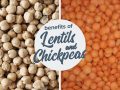
Lentils and chickpeas, also known as garbanzo beans, are put to the test.
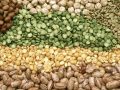
Do legumes—beans, chickpeas, split peas, and lentils—work only to prevent disease, or can they help treat and reverse it as well?
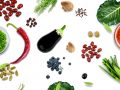
In my book How Not to Die, I center my recommendations around a Daily Dozen checklist of everything I try to fit into my daily routine.
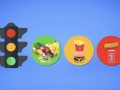
In this video, I explain my traffic light system for ranking the relative healthfulness of Green Light vs. Yellow Light vs. Red Light foods.

High doses of lycopene—the red pigment in tomatoes—were put to the test to see if it could prevent precancerous prostate lesions from turning into full-blown cancer.
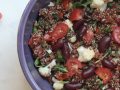
Might lectins help explain why those who eat more beans and whole grains have less cancer?
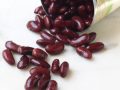
How can we properly cook beans?

A book purported to expose “hidden dangers” in healthy foods doesn’t even pass the whiff test.