
How to Reduce Your TMAO Levels
Should we be concerned about high-choline plant foods, such as broccoli, producing the same toxic TMAO that results from eating high-choline animal foods, such as eggs?
Should we be concerned about high-choline plant foods, such as broccoli, producing the same toxic TMAO that results from eating high-choline animal foods, such as eggs?
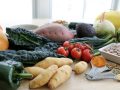
What happens when metastatic prostate cancer patients were taught to increase intake of whole grains, vegetables, fruits, and beans, and to decrease consumption of meat, dairy, and junk?
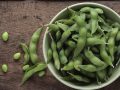
Soy is put to the test for the treatment of prostate cancer.
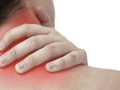
Vitamin D supplements are put to the test for fibromyalgia.

Daily supplementation with 1,000 mg of vitamin C was put to the test to see if it could improve male fertility and lower lead levels.

Those who have higher vitamin C levels tend to have less lead in their bloodstream, but what happens when people are given vitamin C supplements to put it to the test?
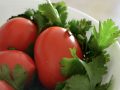
All plants produce “phytochelatins” to bind up heavy metals to protect themselves from the harmful effects, so what if we ate the plants?
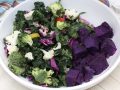
Iron, zinc, oil, and even doughnuts are put to the test to see if they can block lead absorption.
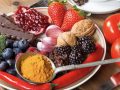
What would happen if you secretly gave cancer patients four of the healthiest foods?
Vitamin C is pitted head-to-head against antibiotics for bacterial vaginal infections.

A half teaspoon of dried rosemary can improve cognitive function.
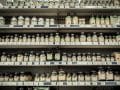
The majority of dietary supplement facilities tested were found noncompliant with good manufacturing practices guidelines.

A daily dose of 4,000 IU of vitamin D is recommended for elders at high risk for falling to improve muscle strength and balance, though there is something that works even better.
What we eat determines what kind of bacteria we foster the growth of in our gut, which can increase or decrease our risk of some of our leading killer diseases.
What are the benefits and risks of taking vitamin C supplements?

What are the protective components of dietary patterns and foods associated with lower risk of cerebrovascular disease, or stroke?
What happened to women who were randomized to eat more meat and dairy during pregnancy? What effect does animal protein consumption have on cortisol and testosterone levels in men?

Less than half of herbal supplements tested from a dozen companies were found to be authentic.

Vitamin D supplements are put to the test in childhood asthma.

The aspirin compounds naturally found in plant foods may help explain the lower cancer rates among those eating plant-based diets.

Experiments showing how much vitamin C our body absorbs and excretes can give us a sense of how many vitamin C rich fruits and vegetables we should be eating each day.

How can soy foods have it both ways with pro-estrogenic effects in some organs that can protect bones and reduce hot flash symptoms, yet also anti-estrogenic effects in others that protect against breast and endometrial cancer?

Combining certain foods together may be more beneficial than eating them separately.
What can we eat to increase good gut bacteria richness in our colon?
Sun exposure is associated with lower rates of 15 different cancers and improved cancer survival. What happened when vitamin D supplements were put to the test?

Learn why I recommend 250mg a day of a pollutant-free source of long-chain omega-3 fatty acids.

Overt omega-3 deficiency is rare, but do short-term experiments on cognitive function suggest there might be an optimal DHA dose?
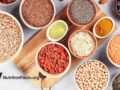
How might beans, berries, and intact (not just whole) grains reduce colon cancer risk?

What is the evidence that all pregnant women should follow the American Thyroid Association’s recommendation to take a daily iodine supplement?

Perhaps dietary guidelines should stress fresh, frozen, and dried fruit—rather than canned.
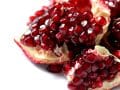
Pomegranate juice for prostate cancer was finally put to the test in a randomized, controlled, clinical trial.

Why is the field of nutrition often more about marketing products than educating people about the fundamentals of healthy eating?

We don’t have to choose between the lesser of two evils: skin cancer versus internal cancers from vitamin D deficiency.

If one is going to make an evolutionary argument for what a “natural” vitamin D level may be, how about getting vitamin D in the way nature intended—that is, from the sun instead of supplements?
The safe dose of vitamin D supplementation to get most of the population to the optimal level is 2,000 IU a day, but the elderly and overweight may need more.

What do 56 randomized clinical trials involving nearly 100,000 people between the ages of 18 and 107 show vitamin D can do to our lifespan?

Those with higher vitamin D levels tend to have lower rates of obesity, diabetes, and hypertension, but is it cause and effect? Interventional trials finally put vitamin D to the test.
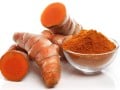
Curcumin-free turmeric, from which the so-called active ingredient has been removed, may be as effective or even more potent.

How the food, drug, and supplement industries have taken advantage of the field of nutrition’s reductionist mindset
A double-blind, placebo-controlled trial found a dramatic effect of the anti-inflammatory spice pigment curcumin against inflammatory bowel disease.