Preventing Inflammatory Bowel Disease with Diet
Eating a diet filled with animal products can disrupt your microbiome faster than taking an antibiotic.
Eating a diet filled with animal products can disrupt your microbiome faster than taking an antibiotic.
Millet isn’t the name of a specific grain, but a generic term that applies to a number of totally different plants. Which is the most healthful?
Rectal biopsies taken before and after eating meat determine the potentially DNA-damaging dose of heme.
Laboratory models suggest that extreme doses of heme iron may be detrimental, but what about the effects of nutritional doses in humans? A look at heme’s carcinogenic effects.

What are the different impacts of plant protein versus animal protein, and do the benefits of plant proteins translate to plant protein isolates?
What happens when you compare the trans fats, saturated fat, sodium, and cholesterol levels in plant-based versus animal-based burgers?

How does sorghum compare with other grains in terms of protein, antioxidants, and micronutrients? And the benefits of red sorghum compared to black and white varieties.

Can the aroma of wood essential oils replicate the immune-boosting effects of walking in a forest?
Visiting a forest can induce a significant increase in both the number and activity of natural killer cells, one of the ways our body fights off cancer.
Is there a unisex chart to see what your optimal weight might be based on your height?
How do we explain studies that suggest overweight individuals live longer?
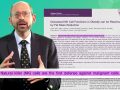
What are the effects of weight loss on natural killer cell function, our first line of immune defense against cancer, as well as kidney function and fatty liver disease?
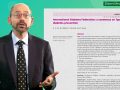
Losing weight can reduce sciatica, hypertension, and cancer risk, and reverse type 2 diabetes.

What do randomized controlled trials of high-dose daily vitamin B12 supplementation show about the effects on cancer risk, death, and longevity?

Those on a healthy plant-based diet with elevated homocysteine levels despite taking sufficient vitamin B12 may want to consider taking a gram a day of contaminant-free creatine.

Might animal protein-induced increases in the cancer-promoting grown hormone IGF-1 help promote brain artery integrity?
How can we explain the drop in stroke risk as the Japanese diet became Westernized by eating more meat and dairy?

What’s the best type of pots and pans to use?

Implausible explanations for the obesity epidemic, such as sedentary lifestyles or lack of self-discipline, serve the needs of the manufacturers and marketers more than the public’s health and the interest in truth.

How to treat the cause by preventing the emergence of pandemic viruses in the first place (a video I recorded more than a decade ago when I was Public Health Director at the HSUS in Washington DC).

A review of reviews on the health effects of tea, coffee, milk, wine, and soda.

What shift workers can do to moderate the adverse effects of circadian rhythm disruption.
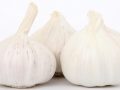
Raw garlic is compared to roasted, stir-fried, simmered, and jarred garlic.

Given the power of chronotherapy—how the same dose of the same drugs taken at a different time of day can have such different effects—it’s no surprise that chronoprevention approaches, like meal timing, can also make a difference.

Calories eaten in the morning count less and are healthier than calories eaten in the evening.

The effects of eating only 5 days a week or a fasting-mimicking diet 5 days a month.

I was honored to testify before the US government’s Dietary Guidelines Advisory Committee. Check out the video to see my speech and a few of my favorite excerpts.

What are the effects of the female sex hormones in milk on men, women, and children?

The clinical use of ketogenic diets for epilepsy and cancer: what does the science say?
Studies show many doctors tend to overestimate the amount of weight loss caused by obesity drugs or were simply clueless.

Given the disinfection byproducts in tap water, Brita, PUR, ZeroWater, and refrigerator water filters are put to the test.
Plant-based diets as the single most important, yet underutilized, opportunity to reverse the pending obesity and diabetes-induced epidemic of disease and death.
What would happen within just two weeks if you swapped the diets of Americans with that of healthier eaters?

A low-fiber diet is a key driver of microbiome depletion, the disappearance of diversity in our good gut flora.

The risk of contracting the brain parasite toxoplasma from kitty litter vs. meat.
How many plastic particles per serving have been found in the fish muscle itself?

Plastic particles may exacerbate the pollutant contamination of fish.

Can ingested plastic particles from fish get into our bloodstream?
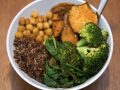
The case for using a plant-based diet to reduce the burden of diabetes has never been stronger.
Genetic differences in caffeine metabolism may explain the Jekyll and Hyde effects of coffee.