Fighting Autism Brain Inflammation with Food
One food may be able to combat all four purported causal factors of autism: synaptic dysfunction, oxidative stress, mitochondrial dysfunction, and neuroinflammation.
Topic summary contributed by volunteer(s): Linda
Lifestyle vs. Medication
Doctors often prescribe medications instead of advocating for a healthy lifestyle, even though diet and exercise changes may lead to better outcomes than medication. For example, statin drugs may be able to reduce absolute risk of a heart attack by 3.1% over six years, while a whole-food, plant-based diet has an absolute risk reduction of 60% in less than four years.
On the whole, vegetarians have lower chronic disease rates than non-vegetarians and take fewer medications. Plant-based diets provide a potential alternative or supplement to drugs and may be effective at preventing, and sometimes even reversing some chronic diseases.
Ironically, while many doctors are skeptical of the ability of whole, plant-based foods to treat disease, many modern medications, including aspirin, are based on plants that have been used as medicine for centuries. Unlike drugs, plants can’t be patented, thus get scarcer research funding for possible therapeutic uses. Because of the potential profit from patented drugs, pharmaceutical companies often look at how a whole food can be made into a patentable pill. The pharmaceutical industry is starting to shift away from single target drugs to drugs that affect multiple pathways, like many plant compounds.
Concerns about Medication
While medications can be helpful in treating chronic diseases, their effectiveness is sometimecarcinogenss overstated. Pharmaceutical companies have been known to withhold results that would indicate their drugs may not be as effective as advertised. In one survey, when patients were presented with the real benefit of the drugs they were taking, 90% said they wouldn’t bother taking them.
The potential side effects of medications is another concern. In fact, prescription drugs (not including medication errors) are the sixth-leading cause of death in the US Potential side-effects of some drugs may be so serious that some have argued, in certain situations, giving the patient a placebo may be a better option.
It’s important to be aware of potential drug-food interactions because certain phytochemicals in plants, like grapefruit, can affect the metabolism of drugs in the body. Depending on the dose, plant-derived products can be toxic, such as Cassia cinnamon.
Prescription drugs may also pollute the environment. Drugs excreted in our urine often pollute our waterways, which can then bioaccumulate in fish. Purity of medications can also be an issue; some Ayurvedic medicines have been found to be contaminated with heavy metals.
*If you are currently on medications and plan on changing your diet, it’s always best to work with your medical team so they can safely wean you off medications as needed.
For substantiation of any statements of fact from the peer-reviewed medical literature, please see the associated videos below.
One food may be able to combat all four purported causal factors of autism: synaptic dysfunction, oxidative stress, mitochondrial dysfunction, and neuroinflammation.
Dramatic improvements in autistic children when they have a fever suggest that the disease may be reversible if one can replicate the phenomenon in other ways.
Does the presence of Candida in stool correlate with “Candida-hypersensitivity” symptoms, such as headaches and tiredness? And what happens when people are placed on a high-sugar diet?

What are the effects of both oral and topical application of the spice saffron for impotence in men?
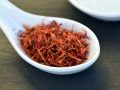
The spice saffron may not only work as well as SSRI antidepressant drugs like Prozac, Paxil, and Zoloft without the side effects, but it may even be able to treat the adverse sexual side effects that occur in up to 70 percent of people taking the drugs.
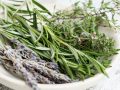
Lemon balm may beat out drugs for controlling the symptoms of severe dementia.
Vitamin C is pitted head-to-head against antibiotics for bacterial vaginal infections.

Whole plant sources of sugar and fat can ameliorate some of the postprandial (after-meal) inflammation caused by the consumption of refined carbohydrates and meat.
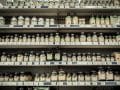
The majority of dietary supplement facilities tested were found noncompliant with good manufacturing practices guidelines.
Is a plant-based diet sufficient to reach sodium goals?

Even when journalists do their due diligence, they still run the risk of deceiving their readers thanks to medical journals’ own spin.
How might we prevent and reverse hypertension, the number-one risk factor for death in the world?
Women were placed in harm’s way by their physicians, who acted as unsuspecting patsies for the drug companies.

Powdered ginger can be a highly effective, cheap, easy-to-use, safer treatment for nausea, migraine headaches, and menstrual blood loss and pain. Does it also work for IBS intestinal cramping?
How extreme was Dr. Kempner’s rice diet compared to traditional surgical approaches? Is there a safer alternative?
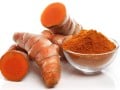
Curcumin-free turmeric, from which the so-called active ingredient has been removed, may be as effective or even more potent.
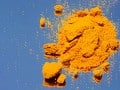
A double-blind, placebo-controlled trial found a dramatic effect of the anti-inflammatory spice pigment curcumin against inflammatory bowel disease.
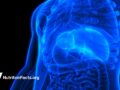
Avoid sugary and cholesterol-laden foods to reduce the risk of our most common cause of chronic liver disease.

How much vinegar should you consume with a meal to improve satiety and reduce the spike in blood sugar, insulin, and triglycerides?

Before drugs came along, the consumption of vinegar with meals was used as a folk remedy for diabetes, but it wasn’t put to the test until recently.

Diabetics suffering from nerve pain for years are cured within days with a plant-based diet.

Even without an exercise component, a plant-based diet can reduce angina attacks 90% within 24 days.

The improvement of arterial function on a whole food, plant-based diet appears so pronounced that cardiac patients can achieve a 90% reduction in angina attacks.
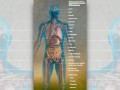
A quarter teaspoon of the spice turmeric was put to the test for the treatment of uncontrollable lupus (SLE) nephritis in a randomized, double-blind, placebo-controlled clinical trial.

Even when study subjects were required to eat so much that they didn’t lose any weight, a plant-based diet could still reverse type 2 diabetes in a matter of weeks.
Type 2 diabetes can be reversed with severe calorie restriction—whether by surgery or starvation—but did you know it can also be reversed simply by eating healthier?
If the uric acid crystals that trigger gout come from the breakdown of purines, should gout patients avoid even healthy, purine-rich foods, such as beans, mushrooms, and cauliflower?

Ancient dietary practices based on analyzing the fiber content of fossilized human waste can give us insights for combating the modern obesity epidemic.

Cow’s milk proteins can pass through breast milk—which may explain why maternal dairy-free diets are so effective in treating infant colic.

What about the studies that show a “u-shaped curve,” where too much sodium is bad, but too little may be bad too?
What happens when the most antioxidant-packed dried fruit available is put to the test in a double-blind randomized placebo-controlled clinical trial for moderate to severe acne?

Why do some drug-based strategies shorten the lives of diabetics and some diet-based strategies fail to decrease diabetes deaths?

It took more than 7,000 studies and the deaths of countless smokers before the Surgeon General’s report on tobacco was released in the 1960s. How many people are suffering needlessly from preventable dietary diseases today?

The vast majority of physicians in the United States take gifts from the pharmaceutical industry. Thanks to the Sunshine Act, you can find out exactly how much your physician (or any doctor) gets from which drug companies.

What is the optimal daily dietary calcium intake and might benefits for your bones outweigh the risks to your heart from taking calcium supplements?

Syncope (fainting) triggered by standing, strong emotions, or common phobias to blood, injections, and injuries can be easily prevented with a number of safe, simple, effective exercises.
The anti-inflammatory effect of curcumin, the pigment in the spice turmeric, was put to the test to see if it could reduce postoperative pain and fatigue after surgery.

Causes of dry eye disease include LASIK laser eye surgery, but there are dietary approaches to prevention and treatment.

Eating a diet low enough in sodium (salt) can prevent the rise in hypertension risk as we age.

Brown adipose tissue is a unique organ that burns fat to create heat, improving temperature regulation in infants and weight loss in adults.