Greens
Topic summary contributed by volunteer(s): Randy
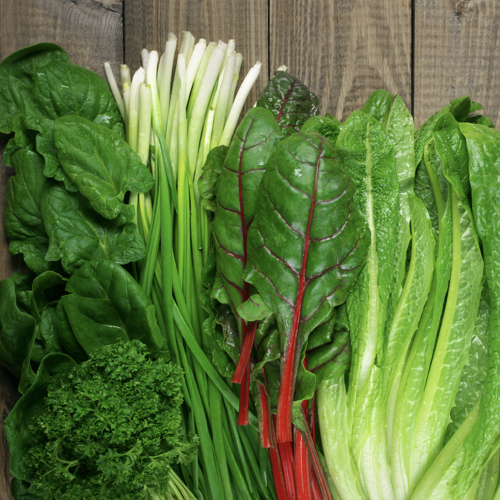
People may have gained health benefits from wild greens as long as 200,000 years ago. Today, greens are considered one of the healthiest vegetables, and they’re inexpensive. Organic greens may be healthier than non-organic greens due to their defensive response to getting bitten by bugs.
The calcium in dark green leafy vegetables is more effectively absorbed by the body than that found in cow’s milk. Potassium from greens may be anti-inflammatory and may prevent strokes and heart disease. Greens can also provide iron and zinc, antioxidants, and magnesium, a nutrient that may lower the risk of a range of health concerns including diabetes, heart disease, and sudden cardiac death. Green leafy vegetables are the best source of plant-based nitrates. Nitrates from a plant-based diet are not considered harmful. In fact, nitric oxide formed from plant-based nitrate may play a role in the prevention of heart disease and high blood pressure. Eating whole plant foods is likely better for your health than taking supplements. For example, folate, which can reduce the risk of depression, in greens appears preferable to folic acid supplements. Many nutrients found in greens are fat soluble, which means including some healthy whole food fats like nuts or seeds, in a meal can help you better absorb the phytonutrients. Plant-based diets, including greens, tend to be alkaline-forming, which may help protect muscle mass and reduce the risk of gout and kidney stones. High consumption in particular of green leafy and cruciferous vegetables may be linked to lower rates of cognitive decline. Greens can be an important part of a plant-based diet that could reduce risk for cardiac disease and heart attack. Some nutrients are destroyed by cooking, but some nutrients become more absorbable. So, a mix of cooked and raw vegetables, including greens, may be best. Smoothies may also be a great source to get all of the nutrients greens have to offer. Although make sure to drink whole food smoothies (not made from juice), and it may be better to use a straw to prevent enamel erosion.
Consuming at least one serving a month of greens appears to reduce the risk of glaucoma by 69%. Lutein and zeaxanthin, nutrients found greens, also appear to be protective against cataracts and macular degeneration. Greens consumption is also associated with increased physical attractiveness, reduced facial wrinkling, improved dental health, better immune system, and may reduce free radical DNA damage.
Two or more daily servings of greens may help clear the human papilloma virus, which can cause cancer. Eating green leafy vegetables may also reduce risk for breast cancer, kidney cancer, and lymphoma, and overall cancer risk. Adding mustard powder o cooked greens can boost sulforaphane levels to help protect against cancer.
Overall, most people in the U.S. fall short in meeting guidelines set by the USDA. For example, nine out of ten Americans could not meet the recommended minimum for vegetables (nine servings a day), including dark green vegetables.
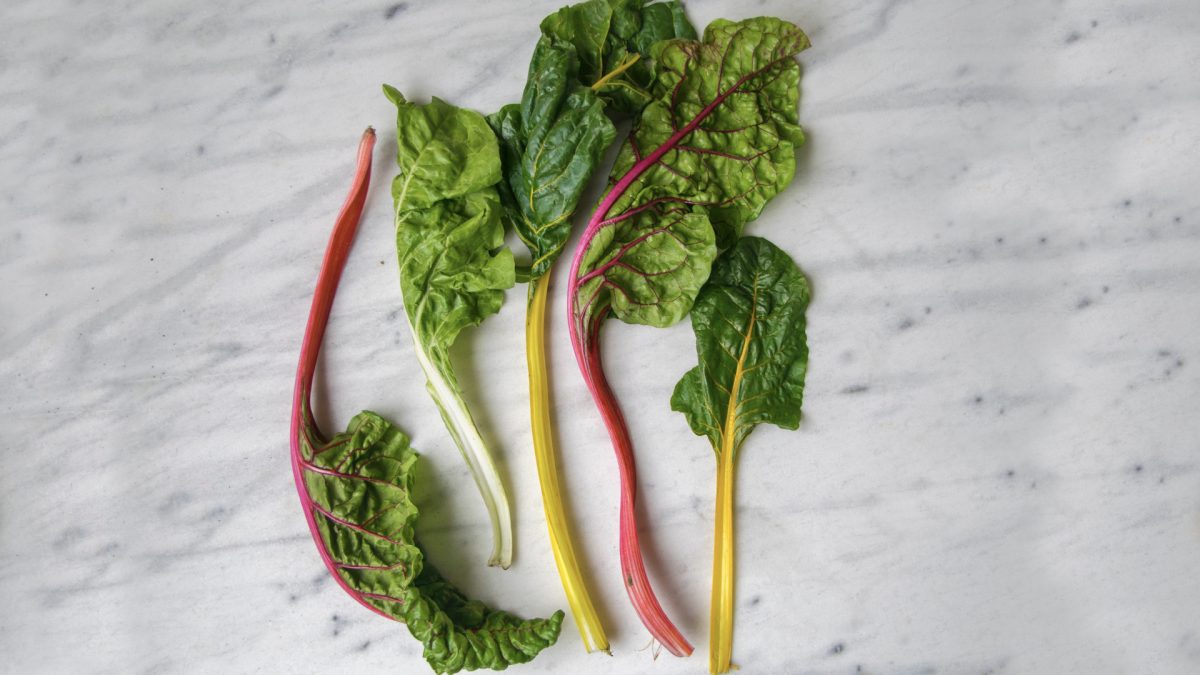
Note: If you’re eating cups a day (as everyone should!) of dark green leafy vegetables Dr. Greger recommends sticking to low-oxalate greens (i.e. basically any greens other than spinach, swiss chard, and beet greens).
For substantiation of any statements of fact from the peer-reviewed medical literature, please see the associated videos below.
Image Credit: Svetl / Thinkstock. This image has been modified.
Popular Videos for Greens
Kidney Stones and Spinach, Chard, and Beet Greens: Don’t Eat Too Much
Given their oxalate content, how much is too much spinach, chard, beet greens, chaga mushroom...
Best Brain Foods: Greens and Beets Put to the Test
Cocoa and nitrite-rich vegetables, such as green leafies and beets, are put to the test...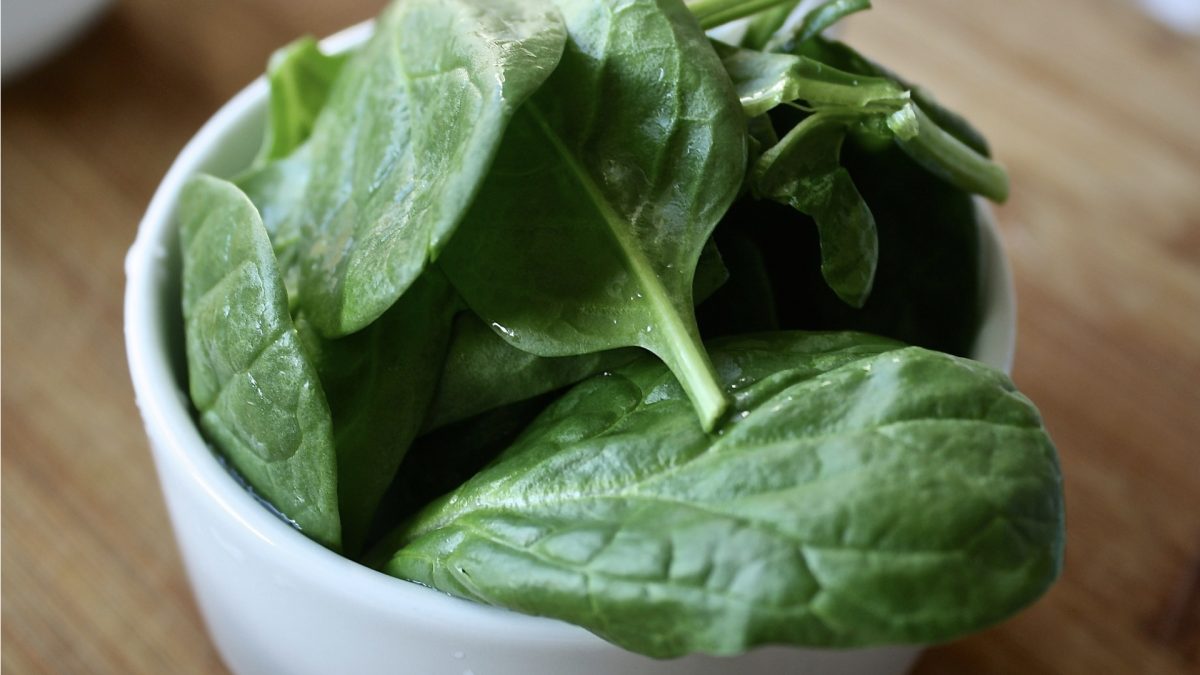
Foods to Improve Athletic Performance and Recovery
What are the effects of spinach and berries on oxidative stress, inflammation, and muscle soreness...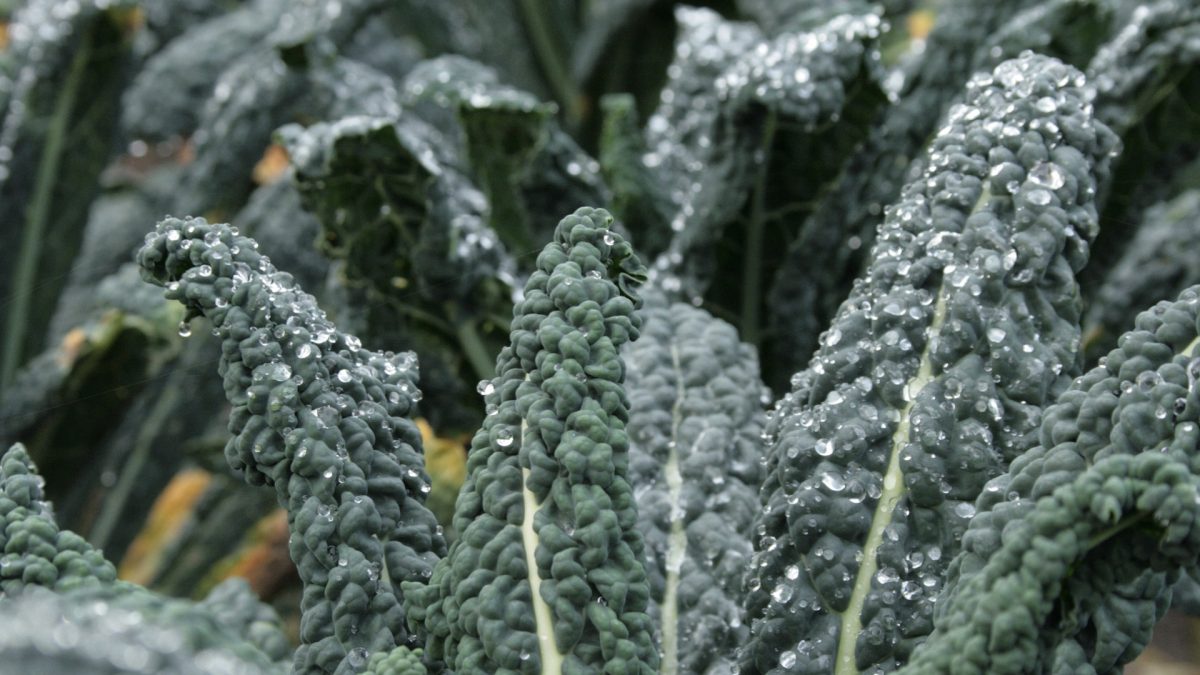
The Benefits of Kale and Cabbage for Cholesterol
Dinosaur kale and red cabbage are put to the test.
Dr. Greger in the Kitchen: My New Favorite Beverage
Dr. Greger blends up a vegetable smoothie inspired by a recipe in his How Not...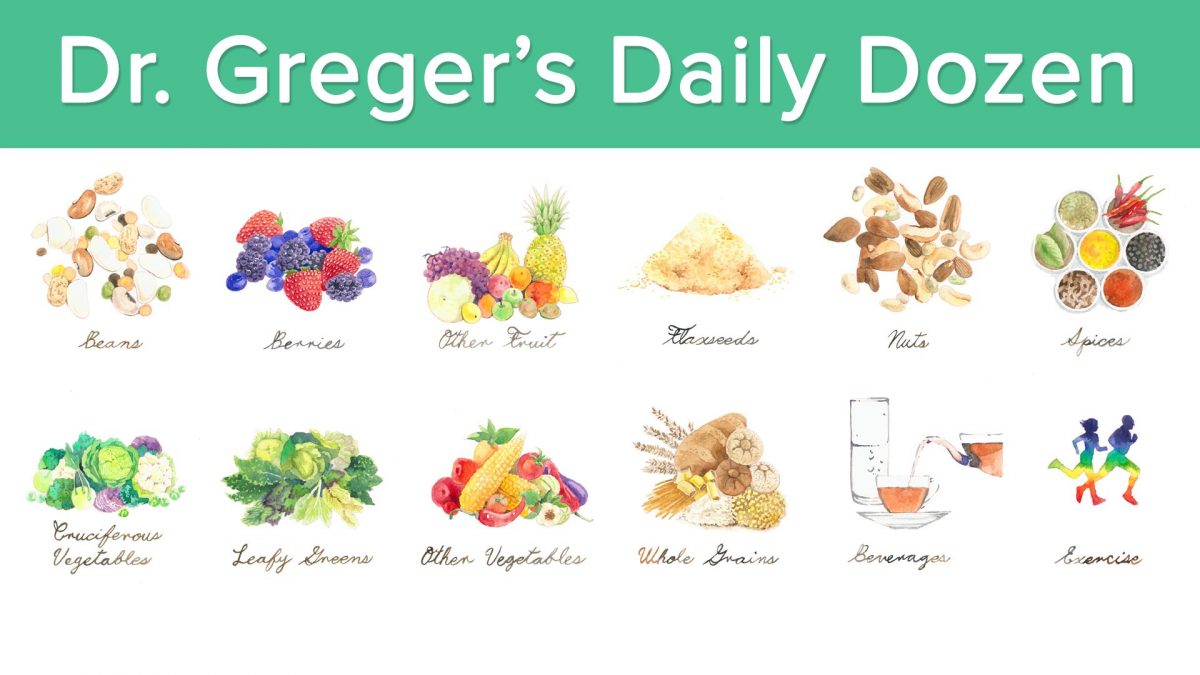
Dr. Greger’s Daily Dozen Checklist
In my book How Not to Die, I center my recommendations around a Daily Dozen...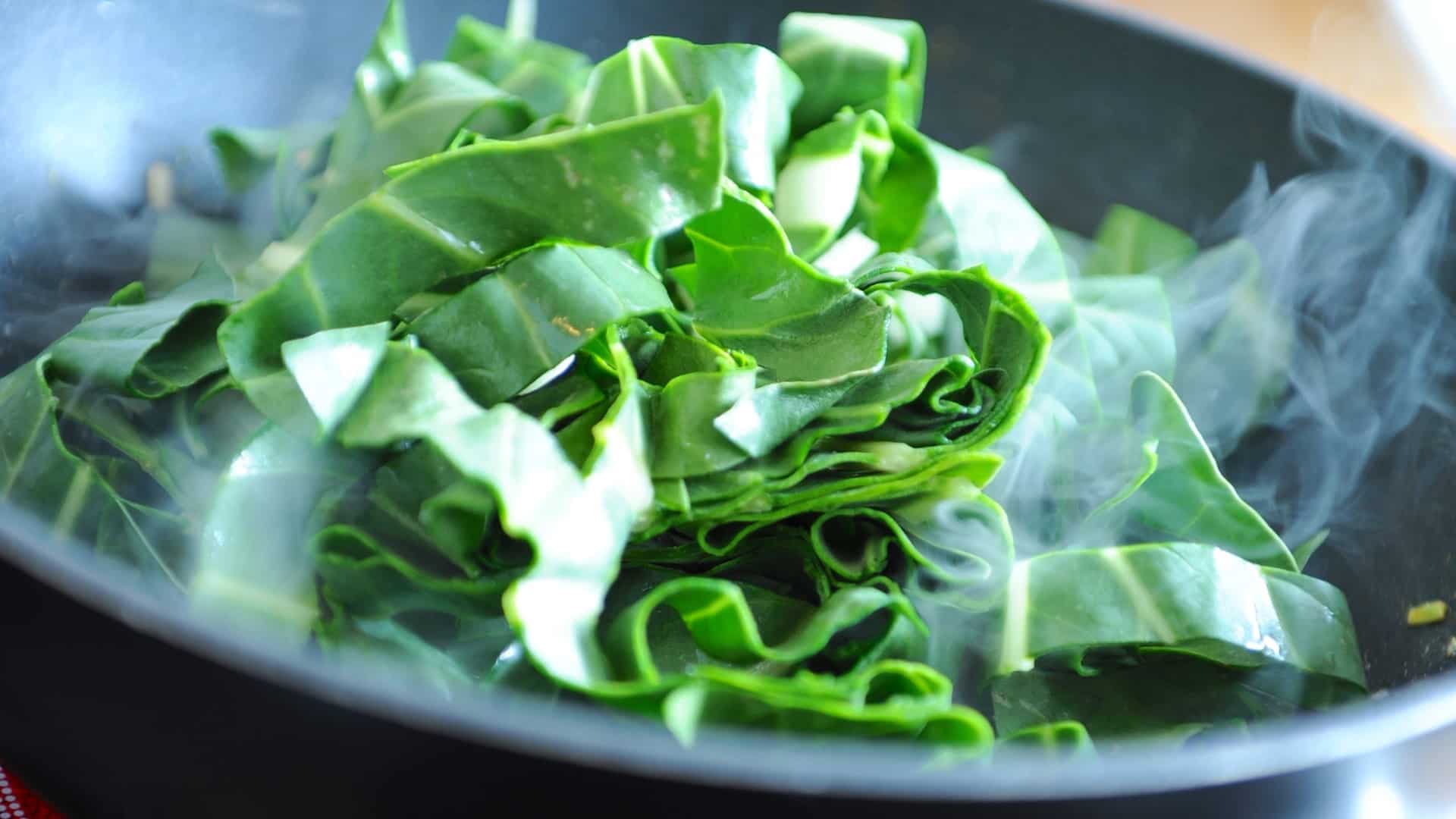
Slowing Our Metabolism with Nitrate-Rich Vegetables
The reason greens are associated with a significantly longer lifespan may be because, like caloric...
Green Smoothies: What Does the Science Say?
Might disrupting the fiber by blending fruit result in overly rapid sugar absorption?
Antioxidants and Depression
Neither antioxidant or folic acid supplements seem to help with mood, but the consumption of...
Improving on the Mediterranean Diet
What are the four problematic nutritional aspects of even plant-based Mediterranean diets?
Preventing Alzheimer’s Disease with Plants
If foods like berries and dark green leafy vegetables have been found protective against cognitive...
Second Strategy to Cooking Broccoli
Adding myrosinase enzymes in the form of even a pinch of mustard powder to cooked...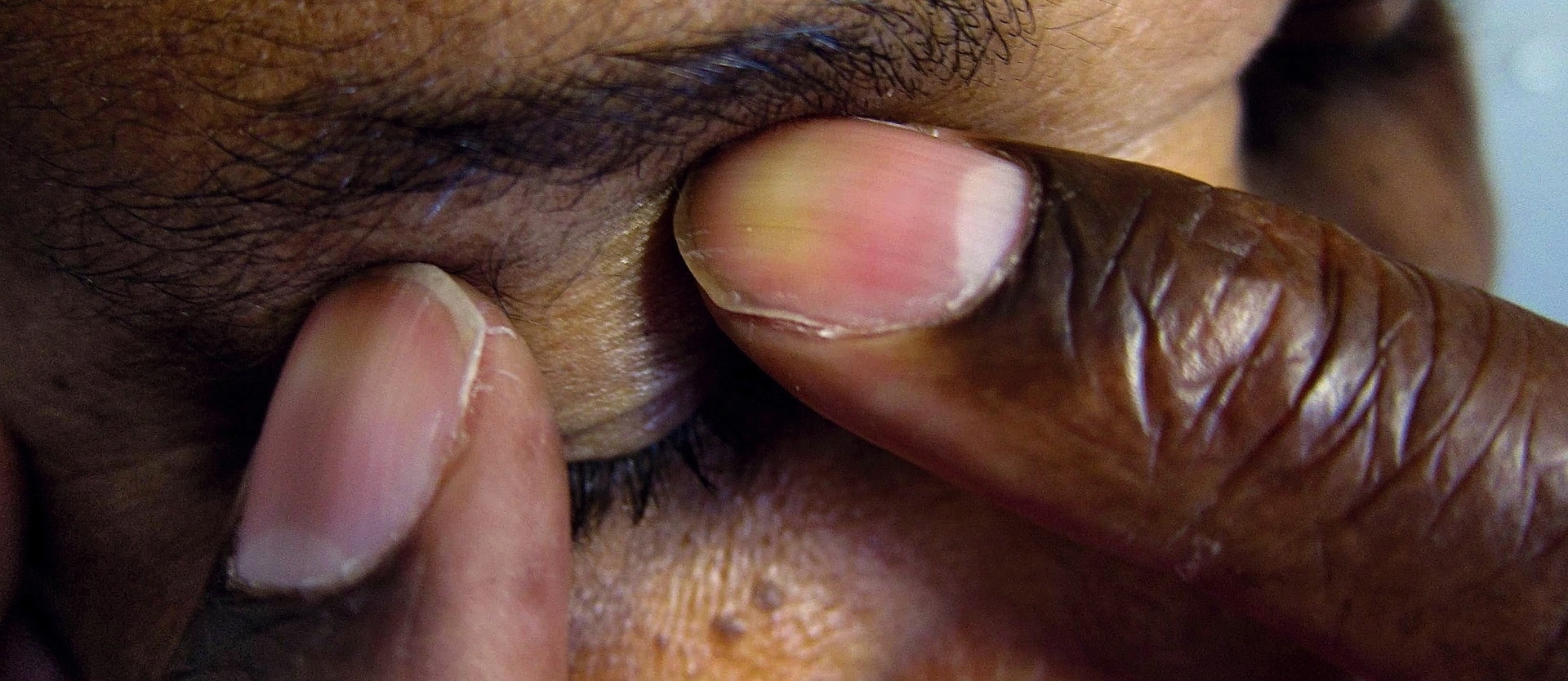
Greens vs. Glaucoma
Kale and collard greens contain vision-protecting plant nutrients, such as zeaxanthin, that may significantly lower...
The Broccoli Receptor: Our First Line of Defense
There is a receptor in our intestines activated by phytonutrients in cruciferous vegetables that boosts...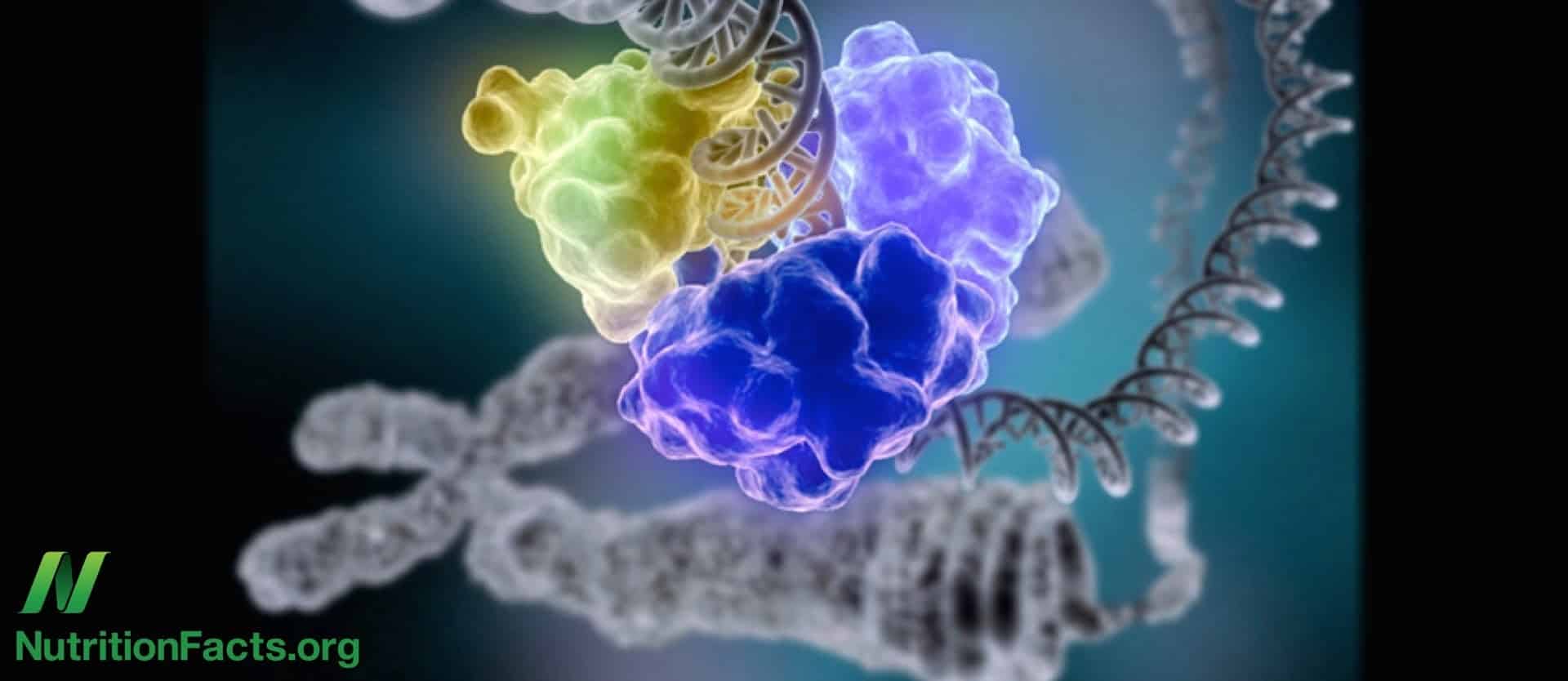
Eating Green to Prevent Cancer
Chlorophyll, the most ubiquitous plant pigment in the world, may protect our DNA against mutation...All Videos for Greens
-
How Not To Age – Live Presentation
In this live lecture, Dr. Greger offers a sneak peek into his latest book, How Not to Age, a New York Times Best Seller.
-

The Supplement Shown to Slow Age-Related Hearing Loss
Some studies found that higher levels of folate in the blood seem to correlate with better hearing, so researchers decided to put it to the test.
-

The Best Diet for COVID and Long-COVID
Healthy plant-based diets appear to help reduce the risk of severe COVID-19 and getting infected in the first place, even independent of comorbidities.
-
Greens, Green Tea, and Nuts Put to the Test for Telomeres
Not all plant foods are linked to less cellular aging based on telomere attrition, and not all animal foods are linked to more.
-

How to Treat Body Odor with Diet
Deodorize from the inside out with food.
-

Plant-Based Diet for Treating and Reversing Stage 3 Kidney Disease
I share a touching story of the power of plant-based eating for chronic kidney failure.
-

Soul Food That’s Good for the Soul
The best of soul food’s origins are tied to the plant-centric West African diet.
-
The Impacts of Plant-Based Diets on Breast Cancer and Prostate Cancer
Why do people who eat more plants get less breast and prostate cancer?
-

The Best Diet for Fibromyalgia and Other Chronic Pain Relief
Anti-inflammatory diets can be effective in alleviating chronic pain syndromes.
-
The Fat-Blocking and Appetite-Suppressing Effects of Thylakoids
What is a natural way to cut down on unhealthy food cravings?
-

How Tongue Scraping Can Affect Heart Health
Tongue scraping can boost the ability of the good bacteria in our mouth to take advantage of the nitrates in greens to improve our cardiovascular health.
-

The Harms Associated with Eating More Southern-Style Food
Diet appears to mediate the majority of the racial health gap.
-

Potential Vitamin and Mineral Deficiency Risks on a Vegan Diet
What is the best way to get the nutrients of concern on a plant-based diet?
-
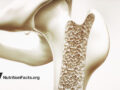
Do Vegans Have Lower Bone Density and More Fractures?
What are the bone fracture rates of omnivores vs. vegetarians vs. vegans?
-
The Purported Benefits of Vitamin K2: Should You Take Supplements?
Our body can make vitamin K2 from the K1 in green leafy vegetables.
-
How to Naturally Reduce Wrinkles with Food
Almonds are put to the test in a randomized controlled trial for facial wrinkles.
-
The Best Diet for Healthy Aging
Swapping just 1 percent of plant protein in place of animal protein was associated with significantly less age-related deficit accumulation.
-
Potassium Chloride Salt Substitute Side Effects
Healthy kidneys are required for potassium excretion. If you aren’t sure if you’re at risk, ask your doctor about getting your kidney function tested.
-

Are Potassium Chloride Salt Substitutes Effective?
Is potassium chloride win-win by decreasing sodium intake and increasing potassium intake?
-
Blocking the Cancer Metastasis Enzyme MMP-9 with Beans and Chickpeas
Which legumes are best at inhibiting the matrix metalloproteinase enzymes that allow cancer to become invasive?
-

The Benefits of Moringa: Is It the Most Nutritious Food?
Does the so-called miracle tree live up to the hype?
-
The Efficacy and Safety of Creatine for High Homocysteine
Those on a healthy plant-based diet with elevated homocysteine levels despite taking sufficient vitamin B12 may want to consider taking a gram a day of contaminant-free creatine.
-

Should Vegetarians Take Creatine to Normalize Homocysteine?
What are the consequences of having to make your own creatine rather than relying on dietary sources?
-

How to Test for Functional Vitamin B12 Deficiency
Many doctors mistakenly rely on serum B12 levels in the blood to test for vitamin B12 deficiency.
-

Vegetarians and Stroke Risk Factors—Animal Protein?
Might animal protein-induced increases in the cancer-promoting grown hormone IGF-1 help promote brain artery integrity?
-

Vegetarians and Stroke Risk Factors—Vegan Junk Food?
Just because you’re eating vegetarian or vegan doesn’t mean you’re eating healthy.
-

What to Eat for Stroke Prevention
More than 90% of stroke risk is attributable to modifiable risk factors.
-
Evidence-Based Weight Loss – Live Presentation
In this live presentation, Dr. Greger offers a sneak peek into his book How Not to Diet.
-

Alternate-Day Intermittent Fasting Put to the Test
Does every-other-day-eating prevent the metabolic slowing that accompanies weight loss or improve compliance over constant day-to-day calorie restriction?
-

For Flavonoid Benefits, Don’t Peel Apples
Peeled apples are pitted head-to-head against unpeeled apples and spinach in a test of artery function.
-

Recipe: Soba Noodle Soup
A light broth soup, packed with a rainbow of vegetables and hearty buckwheat soba noodles. Toss in edamame or your favorite vegetables and spices to make this recipe your own. This recipe comes from Hailey, our Chinese Social Media Manager.
-

Does Pressure Cooking Preserve Nutrients?
How Dr. Greger pressure steams his greens.
-
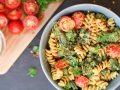
Recipe: Veggie Mac & Cheese
A cruciferous spin on macaroni and cheese, this recipe takes comfort food to a whole new level, and is a tasty way to check off a few servings on the Daily Dozen checklist. This recipe comes from Kristina, our Social Media Director.
-
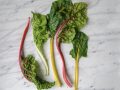
Kidney Stones and Spinach, Chard, and Beet Greens: Don’t Eat Too Much
Given their oxalate content, how much is too much spinach, chard, beet greens, chaga mushroom powder, almonds, cashews, star fruit, and instant tea?
-
Oxalates in Spinach and Kidney Stones: Should We Be Concerned?
Even though dietary oxalates may have a limited effect on kidney stone risk in most people, there are some predisposing factors that can put anyone at risk.
-
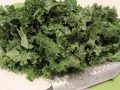
How to Cook Greens
Dark green leafy vegetables are the most nutrient-dense foods on the planet. What’s the best way to prepare them?
-

How to Prevent Toxoplasmosis
The risk of contracting the brain parasite toxoplasma from kitty litter vs. meat.
-
Dairy and Cancer
How do we explain the increased risk of prostate cancer but the decreased risk of colon cancer associated with dairy consumption?
-
Best Way to Cook Vegetables
Boiling, steaming, microwaving, air frying, and sous vide cooking are put to the test for nutrient retention.
-
Best Foods for Halitosis and Gingivitis
The best and worst foods for bad breath and gum inflammation.