Plant-Based Diets Recognized by Diabetes Associations
Plant-based diets as the single most important, yet underutilized, opportunity to reverse the pending obesity and diabetes-induced epidemic of disease and death.
Plant-based diets as the single most important, yet underutilized, opportunity to reverse the pending obesity and diabetes-induced epidemic of disease and death.
Were the flax seed studies showing 20 pounds of weight loss just flukes?
What would happen within just two weeks if you swapped the diets of Americans with that of healthier eaters?

Hypersensitivity reactions to dairy products even in those who test negative for cow’s milk allergy.
Double-blind, randomized, placebo-controlled trials on berries and the first clinical study on the effects of berries on arthritis.

Nearly one quarter of Americans have already been infected with the brain parasite toxoplasma.
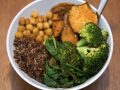
The case for using a plant-based diet to reduce the burden of diabetes has never been stronger.

Treating the cause of infant reflux with maternal cow’s milk elimination.

Genetic differences in caffeine metabolism may explain the Jekyll and Hyde effects of coffee.
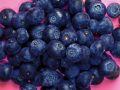
Blueberries are put to the test against insulin resistance, oxidation, and DNA damage.
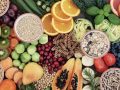
The best and worst foods for bad breath and gum inflammation.
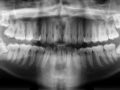
Plant-based diets are put to the test in the treatment of periodontal disease.
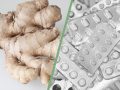
Ground ginger and ginger tea are put to the test for blood sugar control.
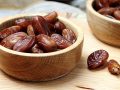
Seven dates a day for three weeks are put to the test in a randomized controlled trial.

Is butter—and other saturated fats—bad for you or not?

Oxidized cholesterol (concentrated in products containing eggs, processed meat, and parmesan cheese) has cancer-fueling estrogenic effects on human breast cancer.
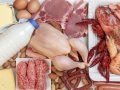
The relationship between the consumption of eggs and other cholesterol-rich foods and cancers of the colon, breast, endometrium, pancreas, and throat.
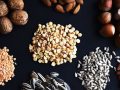
Most Americans get less than half the recommended minimum fiber intake a day and the benefits of fiber go way beyond bowel regularity.
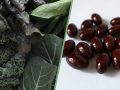
Avocados, greens, and lutein and zeaxanthin supplements are put to the test for improving cognitive function.

What is the best source of lutein, the primary carotenoid antioxidant in the brain?
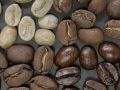
Dark roast coffee is more effective than light roast coffee in reducing body weight.

How the meat and dairy industries design studies showing their products have neutral or even beneficial effects on cholesterol and inflammation.

What about the recent studies that show cheese has neutral or positive health effects?
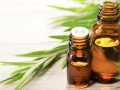
A 5% tea-tree oil gel is pitted head-to-head against the leading over-the-counter treatment for pimples.

The effects of Red Bull and Monster brand energy drinks on artery function and athletic performance.
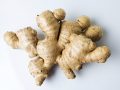
Ground ginger powder is put to the test for weight loss and NAFLD, nonalcoholic fatty liver disease.

What effect does mobile phone radiation have on your parotid gland?
What happens when you put diabetics on a diet composed of largely whole grains, vegetables, and beans?
What would happen if you stopped brushing your teeth but ate healthier?

How to choose the healthiest coffee, and the effects of adding milk vs. soymilk.
Randomized, double-blind, placebo-controlled trials of… blueberries!
Vitamin C, vitamin D, and omega-3 fish oil supplements put to the test to improve the core symptoms of autism spectrum disorder.

Aloe gel is put to the test head-to-head versus steroids against the chronic inflammatory skin disease psoriasis.
Vitamin C, turmeric, beta-glucan fiber, and vitamin B12 are put to the test for recurring canker sores (aphthous ulcers).

What, if any, are the caveats for tea tree oil use and tips on safe storage?

Cannabis vapor has less tar, but may contain more ammonia. What happens to respiratory symptoms when regular users of joints, blunts, pipes, and bongs switch to a vaporizer?

There is unequivocal evidence that regular cannabis smoking causes acute lung inflammation, but what are the long-term consequences?

Cabbage is put to the test in a randomized controlled trial.
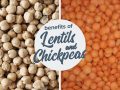
Lentils and chickpeas, also known as garbanzo beans, are put to the test.

There have been at least eight randomized, double-blind, placebo-controlled trials of ginger for pain.