The Antioxidant Effects of Açai vs. Apples
Açaí berries are touted for their antioxidant power, but does that translate into increased antioxidant capacity of your bloodstream when you eat them?
Açaí berries are touted for their antioxidant power, but does that translate into increased antioxidant capacity of your bloodstream when you eat them?
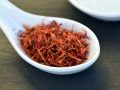
The spice saffron may not only work as well as SSRI antidepressant drugs like Prozac, Paxil, and Zoloft without the side effects, but it may even be able to treat the adverse sexual side effects that occur in up to 70 percent of people taking the drugs.

Daily supplementation with 1,000 mg of vitamin C was put to the test to see if it could improve male fertility and lower lead levels.

Those who have higher vitamin C levels tend to have less lead in their bloodstream, but what happens when people are given vitamin C supplements to put it to the test?
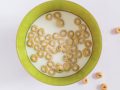
Getting food into your stomach within a few hours of lead exposure can suppress the absorption of lead by 90 percent or more—but which foods are particularly protective?

Whole plant sources of sugar and fat can ameliorate some of the postprandial (after-meal) inflammation caused by the consumption of refined carbohydrates and meat.
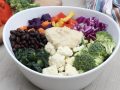
Within hours of eating an unhealthy meal, we can get a spike in inflammation, crippling our artery function, thickening our blood, and causing a fight-or-flight nerve response. Thankfully, there are foods we can eat at every meal to counter this reaction.

A mixture of results have been reported using green tea to try to stop or reverse the progression of oral cancer, lung cancer, cervical cancer, and colon cancer.

Within 40 minutes of green tea consumption, we get a boost in antioxidant power in our bloodstream, and, within 60 minutes, an upregulation of DNA repair.
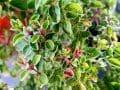
Even a small amount of fresh herbs can double or even quadruple the antioxidant power of a meal. The abilities of oregano to decrease chromosomal damage from radiation and marjoram to affect hormone levels in women with PCOS are put to the test.

Which dietary changes could reduce free radical damage and also improve DNA repair in women with mutated BRCA genes?

One third of men in their 30s may already have tiny, cancerous tumors in their prostates. How much tea would we have to drink to build up cancer-suppressing levels in our prostate tissue?
Combining certain foods together may be more beneficial than eating them separately.
Can the consumption of sesame seeds improve the clinical signs and symptoms of arthritis?

What is the baggage that comes along with the nutrients in your food?

What can our nutrient requirements, metabolism, and physiology tell us about what we should be eating?

A salted meal can impair artery function within 30 minutes by suppressing a key detoxifying antioxidant enzyme in our body.
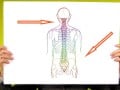
Vegetables and fruit, such as dried plums, may help build stronger bones.

Berries counteract the neurotoxic effects of pesticides in vitro, potentially explaining why berry consumption is associated with lower risk of developing Parkinson’s disease.
Avoid sugary and cholesterol-laden foods to reduce the risk of our most common cause of chronic liver disease.
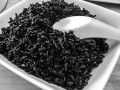
White rice is missing more than fiber, vitamins, and minerals. Phytonutrients such as gamma oryzanol in brown rice may help explain the clinical benefits, and naturally pigmented rice varieties may be even healthier.
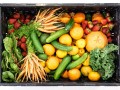
Dietary diversity is important because each plant family has a unique combination of phytonutrients that may bind to specific proteins within our body.

Chlorophyll in our bloodstream after eating greens may react with wavelengths of sunlight that penetrate through our skin to reactivate the antioxidant Coenzyme Q10 (ubiquinol).

If copper is associated with Alzheimer’s disease, what about healthy, whole plant food sources such as nuts, seeds, beans, and whole grains?
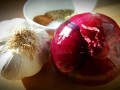
Why should we wait ten minutes after chopping or crushing garlic before we cook it unless we’re going in for elective surgery within the next week?

Certain foods are linked not only to increased happiness, but also to greater “eudaemonic” well-being—feelings of engagement, creativity, meaning, and purpose in life.

What can we eat to combat “inflamm-aging,” the chronic low-grade inflammation that accompanies the aging process?
Eating antioxidant-rich foods can bolster skin protection and reduce sunburn redness by 40%, whereas alcohol can dramatically drop the level of antioxidants in the skin within 8 minutes of consumption.
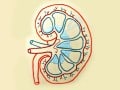
Dietary Acid Load is determined by the balance of acid-inducing food, such as meats, eggs, and cheeses, offset by base-inducing (“alkaline”) foods, such as fruits and vegetables.

If depression can be induced with pro-inflammatory drugs, might an anti-inflammatory diet be effective in preventing and treating mood disorders?

Health authorities appear to have taken the patronizing view that the public can’t handle the truth and would rather the science be watered down.
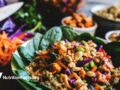
What would happen if you centered your diet around vegetables, the most nutrient-dense food group?

The most comprehensive controlled trial of diet and mood finds that a plant-based nutrition program in a workplace setting across ten corporate sites significantly improves depression, anxiety, and productivity.
Concerns about smoothies and oxalic acid, nitrate availability, dental erosion, and weight gain are addressed.

Smoothies (and blended soups and sauces) offer a convenient way to boost both the quantity and quality of fruit and vegetable intake by reducing food particle size to help maximize nutrient absorption.
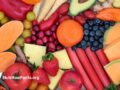
The consumption of animal fat appears to increase the growth of gut bacteria that turn our bile acids into carcinogens.
Protective properties of whole plant foods against diabetes include antioxidants, lipotropes, fiber, and the ability to suppress the estrogen-producing bacteria in our gut.
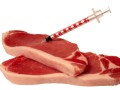
Potential culprits include the trans fat in meat, the saturated fat, cholesterol, heme iron, advanced glycation end products (glycotoxins), animal protein (especially leucine), zoonotic viruses, and industrial pollutants that accumulate up the food chain.
Does extra virgin olive oil have the same adverse effect on arterial function as refined oils and animal fats?
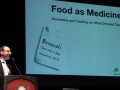
Dr. Greger has scoured the world’s scholarly literature on clinical nutrition and developed this new presentation based on the latest in cutting edge research exploring the role diet may play in preventing, arresting, and even reversing some of our most feared causes of death and disability.