
Exclusion Diets for Eczema
Infants of mothers randomized to cut out eggs, milk, and fish were significantly less likely to have eczema even years later.
Infants of mothers randomized to cut out eggs, milk, and fish were significantly less likely to have eczema even years later.

Randomized, double-blind, controlled trials suggest that excluding certain foods, such as eggs and chicken, can significantly improve atopic dermatitis.
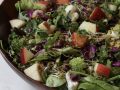
The same diet that helps regulate hormones in women may also reduce exposure to endocrine-disrupting pollutants.

What does the world’s leading authority on carcinogens have to say about mobile phones?

A book purported to expose “hidden dangers” in healthy foods doesn’t even pass the whiff test.

Should we be concerned about high-choline plant foods, such as broccoli, producing the same toxic TMAO that results from eating high-choline animal foods, such as eggs?
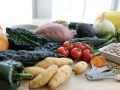
What happens when metastatic prostate cancer patients were taught to increase intake of whole grains, vegetables, fruits, and beans, and to decrease consumption of meat, dairy, and junk?
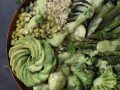
Dr. Dean Ornish showed that a plant-based diet and lifestyle program could apparently reverse the progression of prostate cancer, but that was for early stage, localized, watch-and-wait cancer. What about for more advanced stage life-threatening disease?
The effects of coconut oil are compared to butter and tallow. Even if virgin coconut oil and other saturated fats raise LDL “bad” cholesterol, isn’t that countered by the increase in HDL “good” cholesterol?
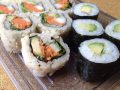
A daily half-cup of cooked rice may carry a hundred times the acceptable cancer risk of arsenic. What about seaweed from the coast of Maine?
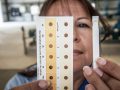
Even at low-level exposure, arsenic is not just a class I carcinogen, but may also impair our immune function and increase our risk of cardiovascular disease and diabetes.
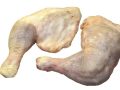
What was the National Chicken Council’s response to public health authorities calling for the industry to stop feeding arsenic-based drugs to poultry?

One way a diet rich in animal-sourced foods like meat, eggs, and cheese may contribute to heart disease, stroke, kidney failure, and death is through the production of toxin called TMAO.
Which appear more protective: fermented soy foods, such as miso and tempeh, or unfermented soy, like tofu and soy milk?
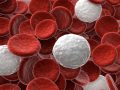
Since white blood cell count is such a strong predictor of lifespan, what should we aim for and how do we get it there?
The Fairness Doctrine example shows the extent to which purveyors of unhealthy products will go to keep the truth from the American public.
After the trans fat oil ban, the only remaining major sources of trans fat will be from meat and dairy.
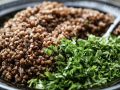
What happens to our gut flora when we switch from a more animal-based diet to a more plant-based diet?

Polyomaviruses discovered in meat can survive cooking and pasteurization.

Are there any benefits of garlic powder for treating mild-to-moderate lead poisoning?

All plants produce “phytochelatins” to bind up heavy metals to protect themselves from the harmful effects, so what if we ate the plants?

The reason egg consumption is associated with elevated cancer risk may be the TMAO, considered the “smoking gun” of microbiome-disease interactions.
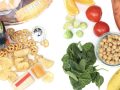
The potassium content in greens is one of two ways they can improve artery function within minutes of consumption.
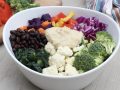
Within hours of eating an unhealthy meal, we can get a spike in inflammation, crippling our artery function, thickening our blood, and causing a fight-or-flight nerve response. Thankfully, there are foods we can eat at every meal to counter this reaction.

The FDA appears to have caved to industry pressure and allows intestines potentially infected with mad cow disease prions into food products and lipstick.
What we eat determines what kind of bacteria we foster the growth of in our gut, which can increase or decrease our risk of some of our leading killer diseases.

Which foods and cooking methods should we choose and avoid, given the role advanced glycation end products (glycotoxins) may play in polycystic ovary syndrome (PCOS)?

Miso is packed with sodium, which is linked to both stomach cancer and high blood pressure, so is it safe to consume?

The majority of specialists in the field agreed that paraTB in meat and dairy likely represents a risk to human health and should be a high- or medium-priority public health issue.
Eating meat during breastfeeding is associated with an increased risk of type 1 diabetes, perhaps a consequence of meat glycotoxins or paratuberculosis bacteria that may be passed though breast milk.

“Fear of consumer reaction” led the U.S. dairy industry to suppress the discovery in retail milk of live paraTB bacteria, a pathogen linked to type 1 diabetes.

Which dietary changes could reduce free radical damage and also improve DNA repair in women with mutated BRCA genes?
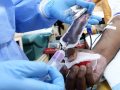
An extraordinary thing happened when those at high risk for heart disease were randomized to give blood—and it had nothing to do with their heart.

What are the protective components of dietary patterns and foods associated with lower risk of cerebrovascular disease, or stroke?
What happened to women who were randomized to eat more meat and dairy during pregnancy? What effect does animal protein consumption have on cortisol and testosterone levels in men?

Increasing the cost of cigarettes through tobacco taxes is one of the most effective ways to decrease the harms of smoking. What does the science say about taxing sodium, sugar, and saturated fat?
Does a cancer-causing herpes virus in chickens pose a public health threat?

How the egg industry funded a study designed to cover up the toxic trimethylamine oxide reaction to egg consumption.

The benefits of taking a daily aspirin must be weighed against the risk of internal bleeding.
Is a plant-based diet sufficient to reach sodium goals?