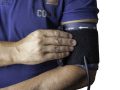
What the New Blood Pressure Range Guidelines Mean
Natural approaches to lowering high blood pressure can work better than drugs because you’re treating the underlying cause, and can end up having only good side effects.
Natural approaches to lowering high blood pressure can work better than drugs because you’re treating the underlying cause, and can end up having only good side effects.

The industry’s response to the charge that breakfast cereals are too sugary.
The effects of eating only 5 days a week or a fasting-mimicking diet 5 days a month.
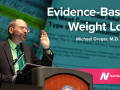
In this live presentation, Dr. Greger offers a sneak peek into his book How Not to Diet.
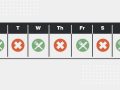
Does every-other-day-eating prevent the metabolic slowing that accompanies weight loss or improve compliance over constant day-to-day calorie restriction?
The sugar industry’s response to evidence implicating sweeteners in the obesity epidemic.

Given the disinfection byproducts in tap water, Brita, PUR, ZeroWater, and refrigerator water filters are put to the test.
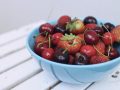
Double-blind, randomized, placebo-controlled trials on berries and the first clinical study on the effects of berries on arthritis.
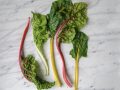
Given their oxalate content, how much is too much spinach, chard, beet greens, chaga mushroom powder, almonds, cashews, star fruit, and instant tea?
The remarkable impact of the structure of food beyond nutritional content or composition.
How the food industry responds to “health food faddists.”
Genetic differences in caffeine metabolism may explain the Jekyll and Hyde effects of coffee.
How do we explain the increased risk of prostate cancer but the decreased risk of colon cancer associated with dairy consumption?
Ground ginger and ginger tea are put to the test for blood sugar control.
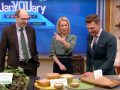
Watch my JanYOUary 2018 segment on Live with Kelly and Ryan.
What is low-acid coffee, and does it help those who suffer from acid reflux, heartburn, and indigestion?
Dark roast coffee is more effective than light roast coffee in reducing body weight.
Blueberry tea is put to the test for cholesterol lowering.
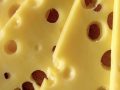
What about the recent studies that show cheese has neutral or positive health effects?
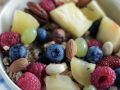
Randomized controlled studies put nuts, berries, and grape juice to the test for cognitive function.
The effects of Red Bull and Monster brand energy drinks on artery function and athletic performance.
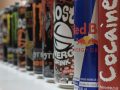
Red Bull and Rockstar brand energy drinks are put to the test.
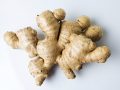
Ground ginger powder is put to the test for weight loss and NAFLD, nonalcoholic fatty liver disease.
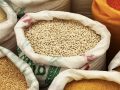
What happens when you add massive amounts of carbs to the daily diet of type 2 diabetics in the form of whole grains?
What happens when you put diabetics on a diet composed of largely whole grains, vegetables, and beans?
How to choose the healthiest coffee, and the effects of adding milk vs. soymilk.
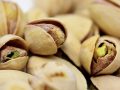
There may be a way to get the benefits of over-the-counter melatonin supplements without the risk.
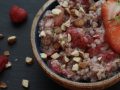
How effective is chemotherapy for colon, lung, breast, and prostate cancers?

The natural plant-based sweeteners stevia and monk fruit (Luo Han Guo) are pitted head-to-head against aspartame and Splenda.

What is the science behind the marketing of foods for antidepressant effects?
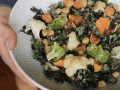
What dietary change can simultaneously help detoxify mercury, lead, and cadmium from the body?
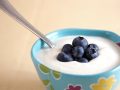
What happened when researchers tried to tease out what’s in dairy that interferes with the health benefits of berries and tea?
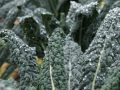
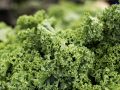
Dinosaur kale and red cabbage are put to the test.
Commercial influences may have corrupted the American College of Sports Medicine’s hydration guidelines.
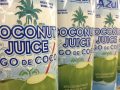
Coconut water is tested head-to-head against plain water and sports drinks in athletes.
When it comes to uterine fibroids, is soy harmful, harmless, or helpful?

What would happen if you effectively randomized people at birth to drink more or less alcohol their whole lives? Would they get more or less heart disease?

Even if alcohol causes cancer and there is no “French paradox,” what about the famous J-shaped curve, where excessive drinking is bad, but light drinkers appear to have lower mortality than abstainers?

Is there any benefit to resveratrol? If so, should we get it from wine, grapes, peanuts, or supplements?
In my book How Not to Die, I center my recommendations around a Daily Dozen checklist of everything I try to fit into my daily routine.