Women Deserve to Know the Truth About Mammograms
What do nine in ten women say they were never told about mammograms, even though they thought they had the right to know?
What do nine in ten women say they were never told about mammograms, even though they thought they had the right to know?
Nine out of ten women don’t realize that some breast cancers would never have caused any problems or even become known in one’s lifetime. This is an issue ductal carcinoma in situ has brought to the forefront.

Every year, cannabis is estimated to result in two million years of healthy life lost due to disability. How much is that compared to alcohol and tobacco?

The mammogram paradox is that women who are harmed the most are the ones who claim the greatest benefit.
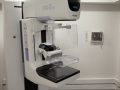
What is the risk-benefit ratio of the cancers picked up by mammograms and the cancers caused by mammograms?

Excessive breast compression during mammography may not improve image quality and can cause unnecessary pain.
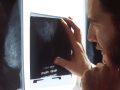
Odds are most women will get at least one false-positive mammogram, but, thankfully, most women who are called back for further testing of a suspicious mammogram finding do not end up having cancer after all.
For every life saved by mammography, as many as two to ten women are overdiagnosed and unnecessarily turned into breast cancer patients—and let’s not overlook all of the attendant harms of chemo, radiation, or surgery without the benefits.
Various health organizations offer clashing mammogram recommendations that range from annual mammograms starting at age 40 to eliminating routine mammograms altogether. Who should you trust?
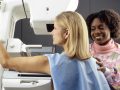
When women are fully informed about the risks and benefits of mammograms, 70 percent may choose not to get screened. You may be in that 30 percent who opts to get a mammogram and absolutely have the right to decide for yourself.
Most women are just being told what to do, rather than being given the facts needed to make a fully informed decision.
Do calcium citrate and calcium carbonate have as much lead as calcium supplements derived from dolomite and animal bone?
How can the beta glucan fiber in brewer’s, baker’s, and nutritional yeast improve wound healing and, potentially, anti-cancer immunity?
Certain gut bacteria can supercharge the benefits of soy foods, resulting in even more bone protection, better control of menopausal symptoms, and lower prostate cancer risk, but how can we foster the growth of these good bacteria?

Does soy food consumption explain why Japanese women appear to be so protected from hot flash symptoms?

What role does diet and baby powder play in the development of fibroids and ovarian cancer?
What did the 2017 National Academies of Sciences’ 468-page report conclude about cannabis?

Dr. Greger whips up some matcha ice cream inspired by a recipe in his How Not to Die Cookbook.
Oil pulling is put to the test head-to-head against chlorhexidine mouthwash for oral and dental health measures.
What evidence exists to suggest oil pulling can effectively treat serious diseases, such as paralysis, meningitis, cancer, and AIDS?

What happened when cancer patients were given three quarters of a cup of canned tomato sauce every day for three weeks?

High doses of lycopene—the red pigment in tomatoes—were put to the test to see if it could prevent precancerous prostate lesions from turning into full-blown cancer.
Extracts of amla (Indian gooseberry) were pitted head-to-head against cholesterol-lowering statin drugs and the blood thinners aspirin and Plavix.

Are the apparently amazing benefits of amla—dried Indian gooseberries—too good to be true?
Avocado consumption can improve artery function, but what effect might guacamole have on cancer risk?

Women with uterine fibroids should consider adding green tea to their daily diet, as a randomized, double-blind, placebo-controlled interventional trial suggests it may help as well as surgery.
The same diet that helps regulate hormones in women may also reduce exposure to endocrine-disrupting pollutants.

What are the risks and benefits of getting a comprehensive annual physical exam and routine blood testing?
What are the risks and benefits of getting an annual check-up from your doctor?

What does the world’s leading authority on carcinogens have to say about mobile phones?

Do mobile phones cause brain tumors? Whenever a trillion-dollar industry is involved—whether it’s Big Food, Big Tobacco, Big Pharma, or Big Telecom—there’s so much money that the science can get manipulated.

For those with recurrent canker sores, is it better to use a toothpaste with SLS, CAPB, or no foaming agents at all?
Just because the sodium lauryl sulfate in toothpaste doesn’t cause cancer doesn’t mean it can’t cause problems.
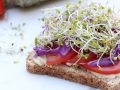
The sulforaphane found in five cents’ worth of broccoli sprouts has been shown to benefit autism in a way no drug ever has in randomized, double-blind, placebo-controlled study.

What happened when turmeric curcumin was put to the test to see if it could reverse DNA damage caused by arsenic exposure?
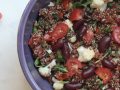
Might lectins help explain why those who eat more beans and whole grains have less cancer?
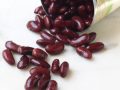
How can we properly cook beans?

A book purported to expose “hidden dangers” in healthy foods doesn’t even pass the whiff test.

In my book How Not to Die, I center my recommendations around a Daily Dozen checklist of all the things I try to fit into my daily routine.
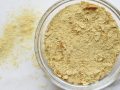
Is the exaggerated reaction of many Crohn’s disease patients to baker’s, brewer’s, and nutritional yeast just a consequence of their inflamed leaky gut, or might the yeast be a contributing cause?