
Oxidized Cholesterol as a Cause of Alzheimer’s Disease
Oxidized cholesterol can be a hundred times more toxic than regular cholesterol, raising additional concerns about foods such as ghee, canned tuna, processed meat, and parmesan cheese.
Oxidized cholesterol can be a hundred times more toxic than regular cholesterol, raising additional concerns about foods such as ghee, canned tuna, processed meat, and parmesan cheese.

What evidence is there that our meat-sweet diets play a cause-and-effect role in dementia?

Let’s review lead from occupational exposures, shooting ranges, eggs, and bone broth.

In this video, I explain my traffic light system for ranking the relative healthfulness of Green Light vs. Yellow Light vs. Red Light foods.
What does a review of the evidence on the effects of coconut oil on weight loss and belly fat find?

Simple kitchen experiments can confirm that microwaves leak from microwave ovens during operation, but do they pose a health risk?

The hazards of microwave ovens may not be what you might expect.

Infants of mothers randomized to cut out eggs, milk, and fish were significantly less likely to have eczema even years later.

Randomized, double-blind, controlled trials suggest that excluding certain foods, such as eggs and chicken, can significantly improve atopic dermatitis.

A book purported to expose “hidden dangers” in healthy foods doesn’t even pass the whiff test.

Should we be concerned about high-choline plant foods, such as broccoli, producing the same toxic TMAO that results from eating high-choline animal foods, such as eggs?
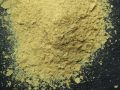
Those with certain autoimmune diseases such as Crohn’s disease should probably not eat nutritional yeast.
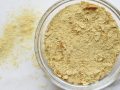
Is the exaggerated reaction of many Crohn’s disease patients to baker’s, brewer’s, and nutritional yeast just a consequence of their inflamed leaky gut, or might the yeast be a contributing cause?

What happens when metastatic prostate cancer patients were taught to increase intake of whole grains, vegetables, fruits, and beans, and to decrease consumption of meat, dairy, and junk?
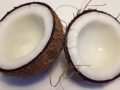
Do the medium-chain triglycerides in coconut oil and the fiber in flaked coconut counteract the negative effects on cholesterol and artery function?

One way a diet rich in animal-sourced foods like meat, eggs, and cheese may contribute to heart disease, stroke, kidney failure, and death is through the production of toxin called TMAO.
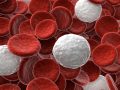
Since white blood cell count is such a strong predictor of lifespan, what should we aim for and how do we get it there?
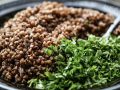
What happens to our gut flora when we switch from a more animal-based diet to a more plant-based diet?

The reason egg consumption is associated with elevated cancer risk may be the TMAO, considered the “smoking gun” of microbiome-disease interactions.

Whole plant sources of sugar and fat can ameliorate some of the postprandial (after-meal) inflammation caused by the consumption of refined carbohydrates and meat.
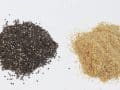
What effect do chia seeds have on weight loss, blood sugar, cholesterol, blood pressure, and inflammation?
What we eat determines what kind of bacteria we foster the growth of in our gut, which can increase or decrease our risk of some of our leading killer diseases.

Which foods and cooking methods should we choose and avoid, given the role advanced glycation end products (glycotoxins) may play in polycystic ovary syndrome (PCOS)?

Even a small amount of fresh herbs can double or even quadruple the antioxidant power of a meal. The abilities of oregano to decrease chromosomal damage from radiation and marjoram to affect hormone levels in women with PCOS are put to the test.

Eating meat during breastfeeding is associated with an increased risk of type 1 diabetes, perhaps a consequence of meat glycotoxins or paratuberculosis bacteria that may be passed though breast milk.

What happened to women who were randomized to eat more meat and dairy during pregnancy? What effect does animal protein consumption have on cortisol and testosterone levels in men?

Does a cancer-causing herpes virus in chickens pose a public health threat?

How the egg industry funded a study designed to cover up the toxic trimethylamine oxide reaction to egg consumption.
The aspirin compounds naturally found in plant foods may help explain the lower cancer rates among those eating plant-based diets.

How can soy foods have it both ways with pro-estrogenic effects in some organs that can protect bones and reduce hot flash symptoms, yet also anti-estrogenic effects in others that protect against breast and endometrial cancer?

Why do those eating plant-based diets appear to suffer less from morning sickness?

We have tremendous power over our health destiny and longevity.
How might we prevent and reverse hypertension, the number-one risk factor for death in the world?
What are the three significant dietary risk factors for declining kidney function?
Type 2 diabetes can be prevented, arrested, and even reversed with a healthy enough diet.
The majority of U.S. dairy herds are infected with a cancer-causing virus, but until recently, human testing for exposure was not sufficiently sensitive.

What happens when we put cancer on a plant-based diet?
What is the optimal source and amount of protein for senior citizens?

Only about 1 in 10,000 people live to be 100 years old. What’s their secret?

Single meals can affect testosterone and cortisol (stress hormone) levels. Some foods eaten regularly during pregnancy may even reprogram children’s responses to stress later in life.