Milk
Learn more about the latest evidence-based research on milk nutrition facts in the videos below.
In the population study “Milk Intake and Risk of Mortality and Fractures in Women and Men,” researchers following more than 100,000 men and women in Sweden for about 20 years found significantly higher rates of bone and hip fractures, heart disease, cancer, and premature death in general for women who drank more milk. Three glasses a day was associated with nearly twice the risk of dying early. Men with higher milk consumption were also recorded having a higher risk of premature death. A meta-analysis of all such cohort studies, however, failed to find a significant relationship between milk and mortality. Findings of a 2015 meta-analysis found that men with high intakes of dairy products did appear to increase total prostate cancer risk.
All animal-based foods contain sex steroid hormones, such as estrogen. These hormones naturally found even in organic cow’s milk may play a role in the various associations identified between dairy products and hormone-related conditions, including acne, diminished male reproductive potential, and premature puberty. The hormone content may explain why women who drink it appear to have five times the rate of twin births compared with women who do not drink milk.
When it comes to cancer, leading experts have expressed concern that the hormones in dairy and other growth factors could potentially stimulate the growth of hormone-sensitive tumors. Experimental evidence also suggests that dairy may also promote the conversion of precancerous lesions or mutated cells into invasive cancers in vitro.
Dairy consumption may also play a role in increased risk of asthma, Parkinson’s disease, and elevated blood pressure, among other health concerns such as recurring canker sores.
For substantiation of any statements of fact from the peer-reviewed medical literature, please see the associated videos below.
Image Credit: Amanda Rae. This image has been modified.
Popular Videos for Milk
Does Paratuberculosis in Milk Trigger Type 1 Diabetes?
“Fear of consumer reaction” led the U.S. dairy industry to suppress the discovery in retail...
Could Lactose Explain the Milk and Parkinson’s Disease Link?
Neurotoxin contamination of the dairy supply doesn’t explain why the association between Parkinson’s and skim...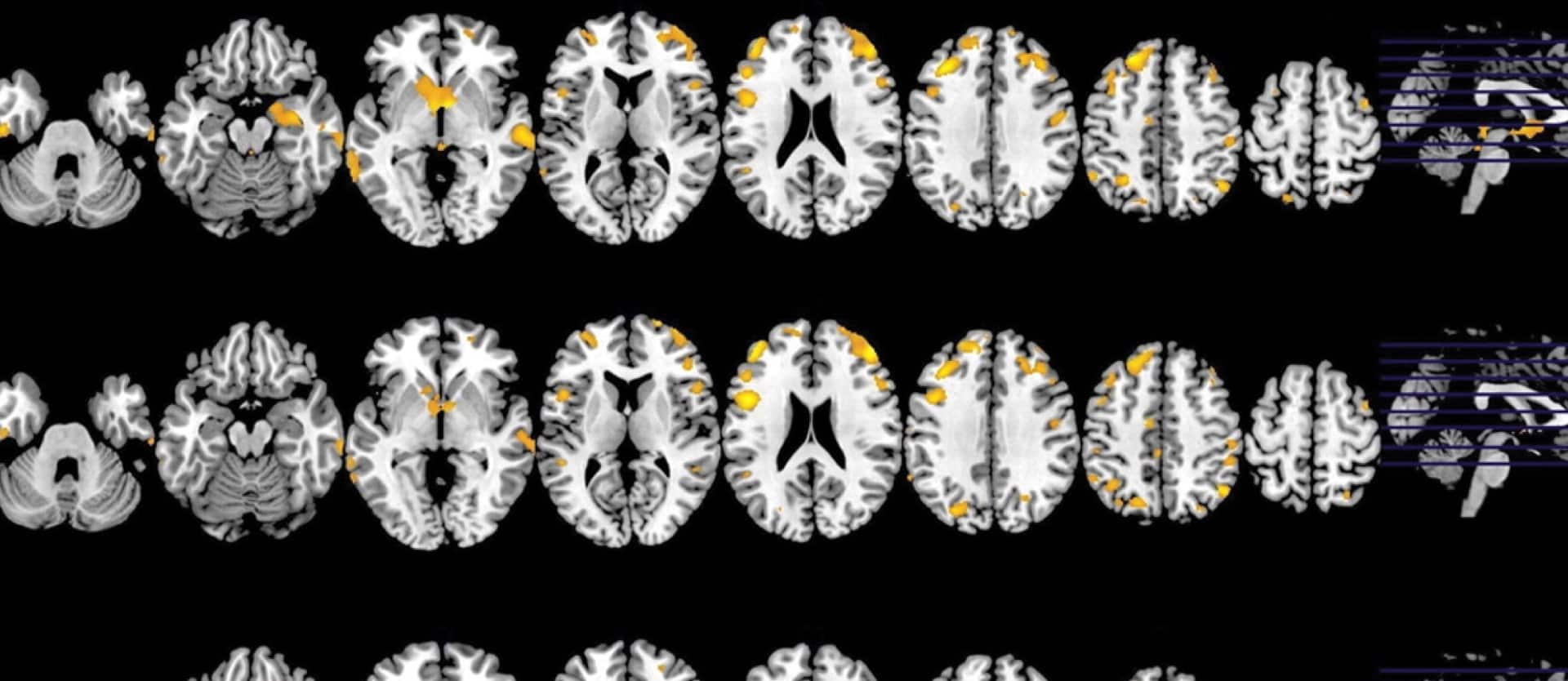
Preventing Parkinson’s Disease with Diet
Low levels of neurotoxic chemicals in cheese may explain the connection between dairy product consumption...
Cow’s Milk Casomorphin and Autism
Opiate-like casomorphins liberated from the cow’s milk protein, casein, are accused of participating in the...
Is Milk Good for Our Bones?
The galactose in milk may explain why milk consumption is associated with significantly higher risk...
Why Do Vegan Women Have 5x Fewer Twins?
The hormones naturally found in foods of animal origin may help explain why women who...
Dairy Estrogen and Male Fertility
Sex steroid hormones in meat, eggs, and dairy may help explain the link between saturated...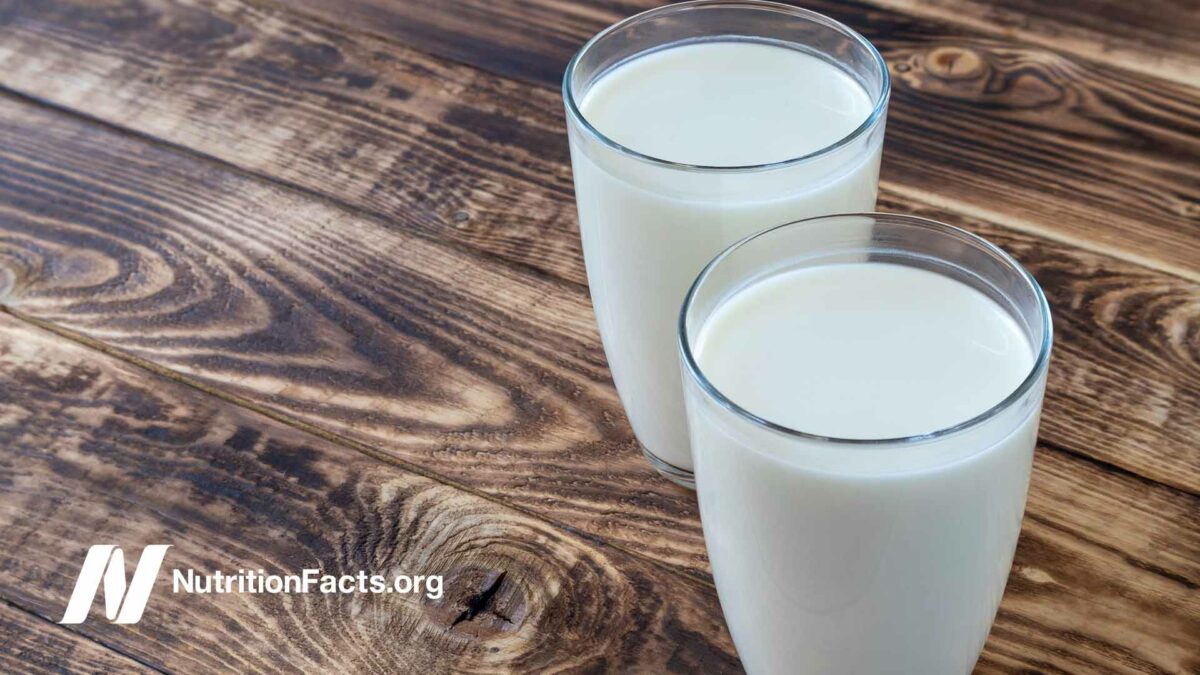
Childhood Constipation and Cow’s Milk
The elimination of all dairy products was found to cure constipation in up to 100%...
Prevent Cancer from Going on TOR
Suppressing the engine-of-aging enzyme TOR (Target of Rapamycin) by reducing intake of leucine–rich animal products,...
Saving Lives by Treating Acne with Diet
Over-activated TOR signaling may help explain the link between acne and subsequent risk for prostate...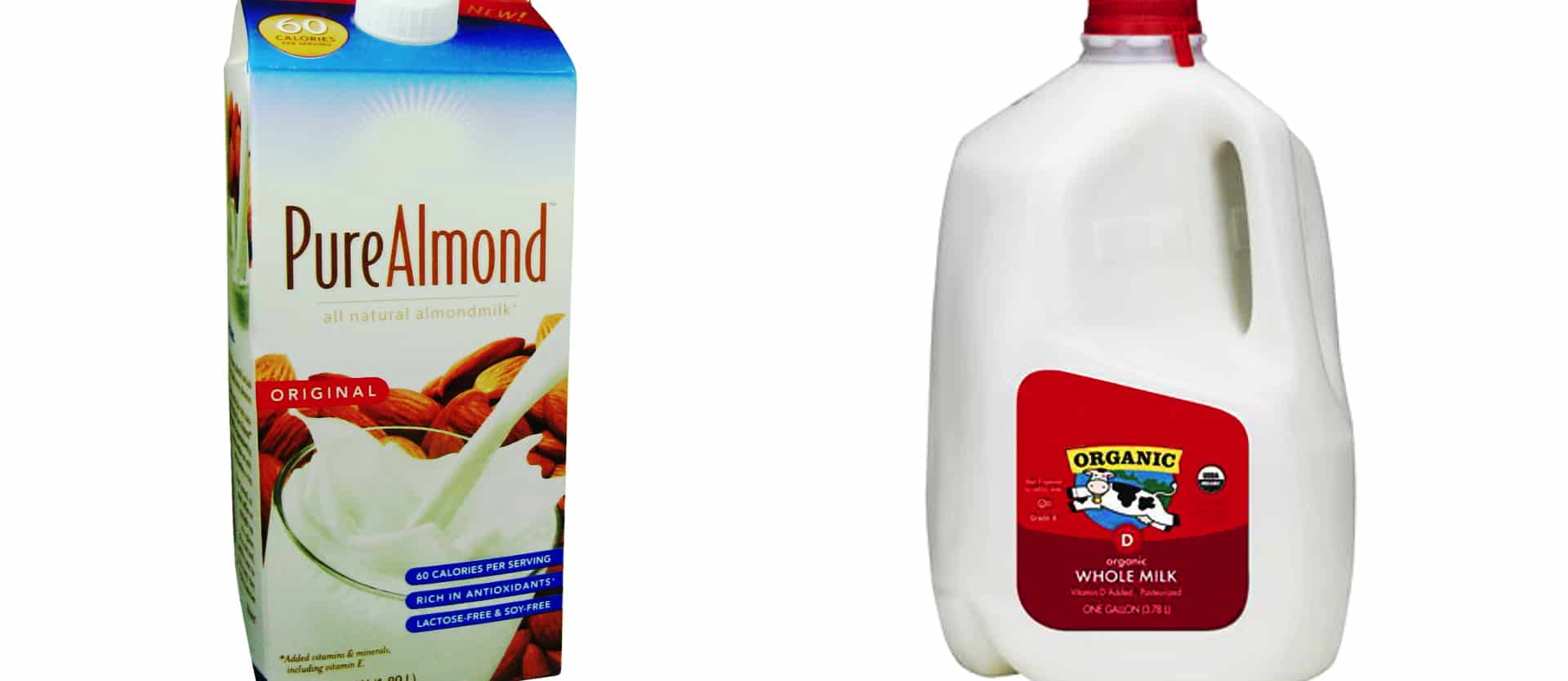
Prostate Cancer and Organic Milk vs. Almond Milk
Does the hormonal stimulation of human prostate cancer cells by cow milk in a petri...
Treating Infant Colic by Changing Mom’s Diet
Cow’s milk proteins can pass through breast milk—which may explain why maternal dairy-free diets are...All Videos for Milk
-
How Ultra-Processed Foods Could Cause Disease: Changes in Texture
The average rate of caloric intake of ultra-processed foods is about double that of unprocessed foods.
-
Is Shrimp Bad for Cholesterol and Heart Disease?
Might asymptomatic food sensitivities to gluten, milk, peanuts, eggs, or shrimp increase the risk of premature death for those who eat these foods?
-
The Side Effects of the Hormones in Milk
Within an hour of drinking dairy milk, blood levels of the estrogen estrone in men go up and testosterone goes down.
-

Preventing and Treating Sarcoidosis
The cause of sarcoidosis is unknown, but new research indicates that mycobacteria, like MAP bacteria found in dairy and meat products, are likely involved in some sarcoidosis cases.
-
Is There Really Pus in Milk?
What does the “milk pus test” tell us about the U.S. milk supply?
-

How Much Water Should You Drink Every Day to Lose Weight?
When we get dehydrated, the shrinkage of our blood volume can lead to the release of angiotensin, which can lead to weight gain.
-
Why Do Milk Drinkers Live Shorter Lives on Average?
How might we reduce the risk of premature death from dairy consumption?
-
Soy Foods for Menopause Hot Flash Symptoms
Soy can be considered a first-line treatment for menopausal hot flash and night sweat symptoms.
-
Soy Milk for Vaginal Menopause Symptoms
Soy foods may explain why Japanese-American women not only have the lowest rates of hot flashes in the United States but also have the lowest rates of vaginal dryness.
-
Is Soy Milk the Most Nutritious Non-Dairy Milk?
Soy milk is compared to dairy milk and other plant-based milks.
-

Greens, Green Tea, and Nuts Put to the Test for Telomeres
Not all plant foods are linked to less cellular aging based on telomere attrition, and not all animal foods are linked to more.
-
Fasting to Detox
How might we help flush the pollutants stored in our fat that come spilling out into our bloodstream during weight loss?
-
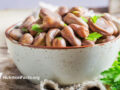
Treating Parkinson’s Disease with Fava Beans (Faba or Broad Beans)
Fava bean sprouts and soy nuts are put to the test for Parkinson’s disease as natural sources of L-dopa.
-
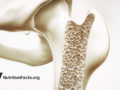
Do Vegans Have Lower Bone Density and More Fractures?
What are the bone fracture rates of omnivores vs. vegetarians vs. vegans?
-

Breast Cancer and the Bovine Leukemia Virus in Meat and Dairy
Exposure to the bovine leukemia virus from meat and dairy (or a blood transfusion from those who eat meat or dairy) is a risk factor for cancer.
-

Bovine Leukemia Virus as a Cause of Breast Cancer
As many as 37 percent of breast cancer cases may be attributable to exposure to bovine leukemia virus.
-

The Role Milk May Play in Triggering Parkinson’s Disease
Is the brain damage associated with milk consumption due to the banned pesticide heptachlor or the milk sugar galactose?
-

The Benefits of Moringa: Is It the Most Nutritious Food?
Does the so-called miracle tree live up to the hype?
-

The Food That Can Downregulate a Metastatic Cancer Gene
Women with breast cancer should include the “liberal culinary use of cruciferous vegetables.”
-
The Healthiest Natural Source of Iodine
How much nori, dulse, or arame approximate the recommended daily allowance for iodine?
-
Are Vegans at Risk for Iodine Deficiency?
Most plant-based milks are not fortified with iodine.
-

Vegetarians and Stroke Risk Factors—Animal Protein?
Might animal protein-induced increases in the cancer-promoting grown hormone IGF-1 help promote brain artery integrity?
-

What Not to Eat for Stroke Prevention
What is the relationship between stroke risk and dairy, eggs, meat, and soda?
-

What Are the Best Foods?
A review of reviews on the health effects of animal foods versus plant foods.
-

What Are the Best Beverages?
A review of reviews on the health effects of tea, coffee, milk, wine, and soda.
-

The Effects of Hormones in Milk on Infertility in Women
Dairy consumption is associated with years of advanced ovarian aging, thought to be due to the steroid hormones or endocrine-disrupting chemicals in cow milk.
-

Are Fortified Kids’ Breakfast Cereals Healthy or Just Candy?
The industry’s response to the charge that breakfast cereals are too sugary.
-

The Effects of Hormones in Dairy Milk on Cancer
What are the effects of the female sex hormones in milk on men, women, and children?
-

How to Treat Reflux in Children with Diet
Hypersensitivity reactions to dairy products even in those who test negative for cow’s milk allergy.
-

Kidney Stones and Spinach, Chard, and Beet Greens: Don’t Eat Too Much
Given their oxalate content, how much is too much spinach, chard, beet greens, chaga mushroom powder, almonds, cashews, star fruit, and instant tea?
-

Treating Reflux in Babies with Diet
Treating the cause of infant reflux with maternal cow’s milk elimination.
-
The Worst Food for Tooth Decay
One of the worst breakfast cereals will surprise you.
-
Dairy and Cancer
How do we explain the increased risk of prostate cancer but the decreased risk of colon cancer associated with dairy consumption?
-

How the Dairy Industry Designs Misleading Studies
How the meat and dairy industries design studies showing their products have neutral or even beneficial effects on cholesterol and inflammation.
-

Is Cheese Healthy? Compared to What?
Dairy is compared to other foods for cardiovascular (heart attack and stroke) risk.
-
Is Cheese Really Bad for You?
What about the recent studies that show cheese has neutral or positive health effects?
-
Benefits of a Macrobiotic Diet for Diabetes
What happens when you add massive amounts of carbs to the daily diet of type 2 diabetics in the form of whole grains?
-
Best Food for Periodontal Disease and Gingivitis
What would happen if you stopped brushing your teeth but ate healthier?
-

Does Adding Milk Block the Benefits of Coffee?
How to choose the healthiest coffee, and the effects of adding milk vs. soymilk.
-

Is Organic Meat Less Carcinogenic?
Researchers tested 76 samples of different kinds of organic and conventional meats for 33 different carcinogens.

