Green Tea
Green tea, one of the healthiest beverages we can drink, has been associated with about a 30 percent reduction in breast cancer risk, and may protect against gynecological malignancies, such as ovarian cancer and endometrial cancer, as well as lower our cholesterol, blood pressure, blood sugar, and body fat. It may also protect the brain from both cognitive decline and stroke. As well, tea consumption has been associated with decreased risk of diabetes, tooth loss, and up to half the risk of dying from pneumonia.
Caffeine found in coffee and tea may also help prevent and perhaps even help treat Parkinson’s, one of our most crippling neurodegenerative conditions. In a randomized controlled trial, giving Parkinson’s patients the caffeine equivalent of two cups of coffee a day (or approximately four cups of black tea or eight cups of green tea) significantly improved movement symptoms within three weeks.
Those who suffer from seasonal allergies may also benefit from drinking tea. Randomized trials have shown that drinking about three cups of Japanese Benifuuki green tea per day starting six to ten weeks before pollen season significantly reduces allergy symptoms.
Might green tea play a role in mood? The levels of an important class of neurotransmitters called monoamines, which includes serotonin and dopamine, are controlled by an enzyme called monoamine oxidase (known as MAO) that breaks down any excess monoamines. People who are depressed appear to have elevated levels of this enzyme in their brains. Thus, the theory goes, depression is caused by abnormally low levels of monoamine neurotransmitters due to elevated levels of the neurotransmitter-munching enzyme. It appears that many plant foods, including green tea, as well as apples, berries, grapes, and onions, contain phytonutrients that seem to naturally inhibit the MAO.
Phytonutrients exclusive to the tea plant appear so powerful that they may reverse disease even when merely applied to the skin. For example, the topical application of green tea in ointment form on genital warts reportedly resulted in an astounding 100 percent clearance in more than half the patients tested. It’s no wonder that this wonder treatment is now officially incorporated into the Centers for Disease Control STD Treatment Guidelines. There was even a remarkable case report of a woman whose skin cancers were apparently stopped with topical green tea application. Indeed, green tea has been shown to have positive effects on both the inside and outside of our body.
For substantiation of any statements of fact from the peer-reviewed medical literature, please see the associated videos below.
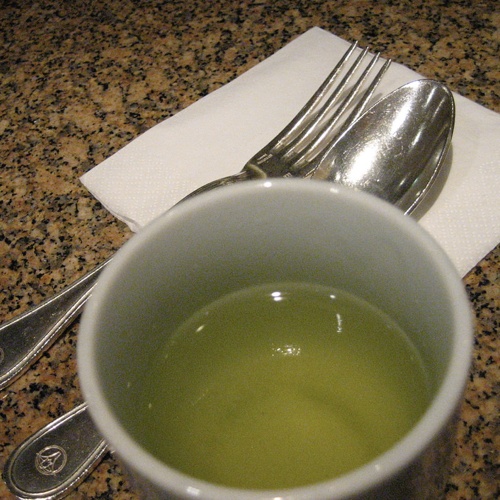
Image Credit: Gwen the Monster / Flickr. This image has been modified.
Popular Videos for Green Tea
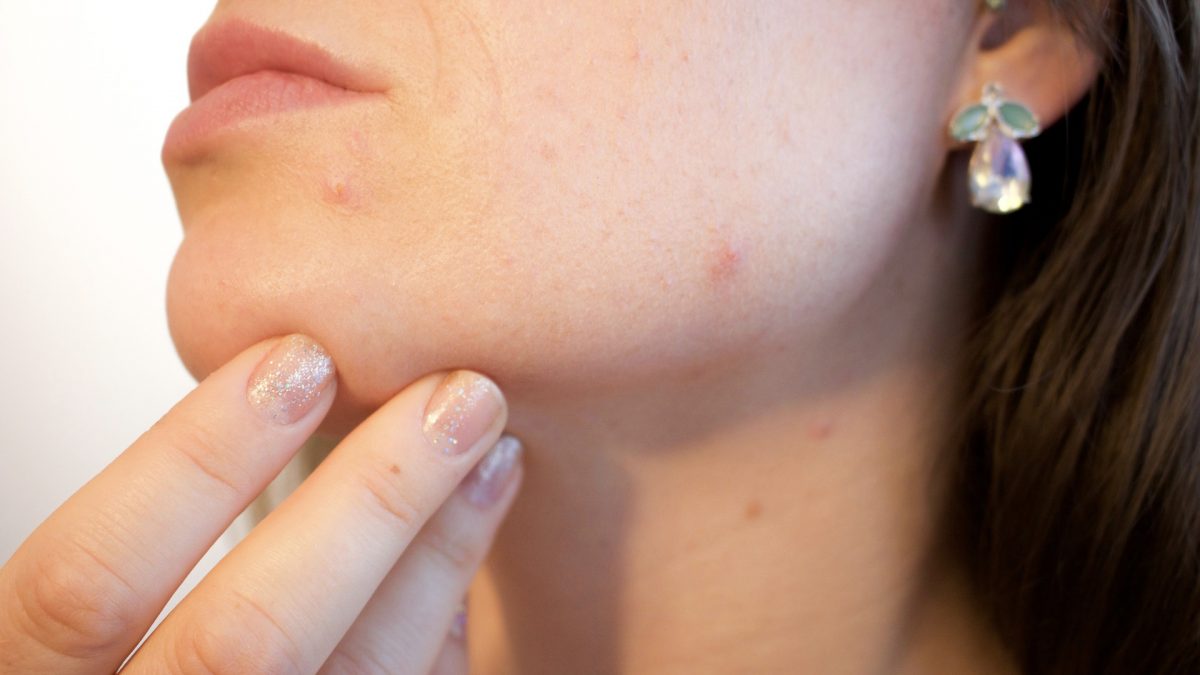
Natural Treatment for Acne and Fungal Infections
Green tea may help with athlete’s foot, dental plaque, acne, impetigo, and bladder infections, but...
Benefits of Green Tea for Boosting Antiviral Immune Function
Unlike most antiviral drugs, green tea appears to work by boosting the immune system to...
Can Green Tea Help Prevent Cancer?
Within 40 minutes of green tea consumption, we get a boost in antioxidant power in...
Can Green Tea Help Treat Cancer?
A mixture of results have been reported using green tea to try to stop or...
Treating Prostate Cancer with Green Tea
Green tea is put to the test against precancerous lesions, prostate cancer, and metastatic cancer,...
Preventing Prostate Cancer with Green Tea
One third of men in their 30s may already have tiny, cancerous tumors in their...
Tea and Artery Function
Adding milk to tea can block its beneficial effects, potentially explaining why green tea drinkers...
Lead Contamination of Tea
How much green, white, black, and oolong tea can we consume before the benefits of...
What’s the Best Mouthwash?
There’s a cheap concoction one can make at home that safely wipes out cavity-forming bacteria...
Cancer, Interrupted: Green Tea
Using the cooked meat carcinogen PhIP to turn normal breast cells cancerous, researchers explore the...All Videos for Green Tea
-

The Benefits and Side Effects of Red and Green Rooibos Teas
Is green rooibos (analogous to green tea) healthier than red rooibos, the commercially more common oxidized form that’s akin to black tea?
-

Natural Ozempic Alternatives: Boosting GLP-1 with Diet and Lifestyle
Certain spices and the quinine in tonic water can boost GLP-1, but at what cost?
-

The Downside to Banana Smoothies for Polyphenol Absorption
An enzyme in bananas can destroy some of the phytonutrients in berries and cocoa, but there is a way to reduce the effect.
-

Green Tea as a Mouthwash for Halitosis (Bad Breath)
Green tea can help reduce plaque as much as the gold-standard chemical mouthwash without its side effects, but what about other aspects of oral health, such as bad breath?
-

How to Get Rid of Garlic Breath
After study participants took some garlic, researchers gave them whey protein, lemon juice, green tea, chlorophyll, 7UP soda, a raw pink lady apple, a cooked apple, parsley, spinach, and mint leaves. Which do you think worked best?
-

How to Boost Your Endothelial Progenitor Cells (EPCs) for Heart Health
How can we improve the capacity of our blood vessels to repair themselves?
-

How Not To Age – Live Presentation
In this live lecture, Dr. Greger offers a sneak peek into his latest book, How Not to Age, a New York Times Best Seller.
-

Caffeine Shampoo and Rosemary Oil for Hair Growth
I cover natural topical treatments for hair growth, including pumpkin seed oil, caffeine, green tea, pyrithione zinc, ginger, Chinese knotweed, and rosemary.
-

Greens, Green Tea, and Nuts Put to the Test for Telomeres
Not all plant foods are linked to less cellular aging based on telomere attrition, and not all animal foods are linked to more.
-

Fecal Transplants for Aging and Weight Loss
Does poop from centenarians have anti-aging properties?
-

Is Spicy Food Good for You?
Those who eat spicy foods regularly tend to live longer, but is it cause-and-effect?
-

The Best Diet for Fibromyalgia and Other Chronic Pain Relief
Anti-inflammatory diets can be effective in alleviating chronic pain syndromes.
-

The Best Diet for Cancer Patients
What diet should oncologists recommend?
-

Coffee Put to the Test for Treating Parkinson’s Disease
Coffee can improve Parkinson’s symptoms within three weeks compared to placebo, but do the benefits last?
-

Foods to Help Protect Your Arteries from Saturated Fat
If you’re going to have something unhealthy, is there anything you can eat with it to help mediate the damage it may cause?
-

Blocking the Cancer Metastasis Enzyme MMP-9 with Beans and Chickpeas
Which legumes are best at inhibiting the matrix metalloproteinase enzymes that allow cancer to become invasive?
-
The Efficacy and Side Effects of Moringa Leaf Powder
Why don’t I recommend moringa?
-

Is Heme Iron the Reason Meat Is Carcinogenic?
Rectal biopsies taken before and after eating meat determine the potentially DNA-damaging dose of heme.
-

What to Eat for Stroke Prevention
More than 90% of stroke risk is attributable to modifiable risk factors.
-

What Are the Best Beverages?
A review of reviews on the health effects of tea, coffee, milk, wine, and soda.
-

Alternate-Day Intermittent Fasting Put to the Test
Does every-other-day-eating prevent the metabolic slowing that accompanies weight loss or improve compliance over constant day-to-day calorie restriction?
-

Is Ginger Beneficial in a Diabetic Diet?
Ground ginger and ginger tea are put to the test for blood sugar control.
-

Dr. Greger on Live with Kelly and Ryan
Watch my JanYOUary 2018 segment on Live with Kelly and Ryan.
-

Benefits of a Macrobiotic Diet for Diabetes
What happens when you add massive amounts of carbs to the daily diet of type 2 diabetics in the form of whole grains?
-

Pros and Cons of a Macrobiotic Diet
What happens when you put diabetics on a diet composed of largely whole grains, vegetables, and beans?
-

How to Win the War on Cancer
How effective is chemotherapy for colon, lung, breast, and prostate cancers?
-

Shark Cartilage Supplements Put to the Test to Cure Cancer
Shark cartilage supplements carry risks, but so do many cancer treatments. The question is, do they work?
-

Dr. Greger in the Kitchen: My New Favorite Dessert
Dr. Greger whips up some matcha ice cream inspired by a recipe in his How Not to Die Cookbook.
-

Lycopene Supplements vs. Prostate Cancer
High doses of lycopene—the red pigment in tomatoes—were put to the test to see if it could prevent precancerous prostate lesions from turning into full-blown cancer.
-

The Best Food for Fibroids
Women with uterine fibroids should consider adding green tea to their daily diet, as a randomized, double-blind, placebo-controlled interventional trial suggests it may help as well as surgery.
-

The Benefits of Açai vs. Blueberries for Artery Function
What are the effects of açai berries, cooked and raw blueberries, grapes, cocoa, green tea, and freshly squeezed orange juice on artery function?
-

Natural Treatment for Acne and Fungal Infections
Green tea may help with athlete’s foot, dental plaque, acne, impetigo, and bladder infections, but if it’s so good at killing bacteria, what may it do to our gut flora?
-

Best Foods for Lead Poisoning: Chlorella, Cilantro, Tomatoes, Moringa?
All plants produce “phytochelatins” to bind up heavy metals to protect themselves from the harmful effects, so what if we ate the plants?
-

Best Supplements for Prostate Cancer
What would happen if you secretly gave cancer patients four of the healthiest foods?
-

Benefits of Green Tea for Boosting Antiviral Immune Function
Unlike most antiviral drugs, green tea appears to work by boosting the immune system to combat diseases such as genital warts (caused by HPV) and the flu (caused by the influenza virus).
-

Can Green Tea Help Treat Cancer?
A mixture of results have been reported using green tea to try to stop or reverse the progression of oral cancer, lung cancer, cervical cancer, and colon cancer.
-

Can Green Tea Help Prevent Cancer?
Within 40 minutes of green tea consumption, we get a boost in antioxidant power in our bloodstream, and, within 60 minutes, an upregulation of DNA repair.
-

Treating Prostate Cancer with Green Tea
Green tea is put to the test against precancerous lesions, prostate cancer, and metastatic cancer, and compared to the effects of black tea.
-

Preventing Prostate Cancer with Green Tea
One third of men in their 30s may already have tiny, cancerous tumors in their prostates. How much tea would we have to drink to build up cancer-suppressing levels in our prostate tissue?
-

Pomegranate vs. Placebo for Prostate Cancer
Pomegranate juice for prostate cancer was finally put to the test in a randomized, controlled, clinical trial.