
The Negative Effects and Benefits of Plant-Based Diets
What are the pros and cons of plant-based eating?
Topic summary contributed by volunteer(s): Linda
A zoonotic disease is one that can be transmitted from animals to humans. For example, pigs appear to be the reservoir of the Hepatitis E virus. Researchers have found the virus in more than 10% of pig livers being sold, suggesting that pork intake may raise Hepatitis E risk. The risk of zoonotic infection is a possible reason why poultry and other meat industry workers have a higher risk of cancer death than other worker groups.
To learn more about zoonotic disease risks, see also these topics: Ciguatera, E. coli, Eggs, Epilepsy, Hand washing, MRSA, Non-Hodgkin lymphoma, Parasites, Rabies, and Salmonella.
For substantiation of any statements of fact from the peer-reviewed medical literature, please see the associated videos below.
What are the pros and cons of plant-based eating?

We need to reform the food system before it’s too late.

There may be an even deadlier pandemic threat waiting in the wings…of chickens.
What should we expect in the coming months and years with SARS-CoV-2?

Twenty different materials put to the test.

Can pets like cats and dogs get infected and be infectious?

My recipes for DIY hand sanitizer and surface disinfectant for SARS-CoV-2.

How long can the SARS-CoV-2 coronavirus survive on surfaces like paper?

Zinc may help slow the replication of other coronaviruses, but what about SARS-CoV-2?
Are there immune-boosting foods we should be eating?
There are things you can do right now to reduce your risk of falling seriously ill and dying from this disease.
What does the clinical course of COVID-19 look like for both those who survive and those who don’t?

What can we learn from other countries and the 1918 pandemic to slow COVID-19?
Why can’t we stop COVID-19 like we stopped SARS and MERS, the other two 21st century coronavirus outbreaks?

The next coronavirus pandemic may come from pigs not pangolins.
The role wet markets, wildlife trafficking, and pangolins have played in the emergence of SARS-CoV-2.

The role live animal markets and the trade in exotic animals have played in the emergence of deadly coronavirus outbreaks.

In the last 17 years, there have been three new deadly coronavirus epidemics, but where do emerging diseases emerge from?

How to treat the cause by preventing the emergence of pandemic viruses in the first place (a video I recorded more than a decade ago when I was Public Health Director at the HSUS in Washington DC).

Polyomaviruses discovered in meat can survive cooking and pasteurization.

The FDA appears to have caved to industry pressure and allows intestines potentially infected with mad cow disease prions into food products and lipstick.

Eating meat during breastfeeding is associated with an increased risk of type 1 diabetes, perhaps a consequence of meat glycotoxins or paratuberculosis bacteria that may be passed though breast milk.

“Fear of consumer reaction” led the U.S. dairy industry to suppress the discovery in retail milk of live paraTB bacteria, a pathogen linked to type 1 diabetes.

Does a cancer-causing herpes virus in chickens pose a public health threat?

What was the response to the revelation that as many as 37 percent of breast cancer cases may be attributable to exposure to bovine leukemia virus, a cancer-causing cow virus found in the milk of nearly every dairy herd in the United States?

As many as 37 percent of human breast cancer cases may be attributable to exposure to bovine leukemia virus.
The majority of U.S. dairy herds are infected with a cancer-causing virus, but until recently, human testing for exposure was not sufficiently sensitive.

In this “best-of” compilation of his last four year-in-review presentations, Dr. Greger explains what we can do about the #1 cause of death and disability: our diet.

Potential culprits include the trans fat in meat, the saturated fat, cholesterol, heme iron, advanced glycation end products (glycotoxins), animal protein (especially leucine), zoonotic viruses, and industrial pollutants that accumulate up the food chain.

Which plant and animal foods are associated with the development of multiple myeloma, and what effect might the spice turmeric have on the progression of monoclonal gammopathy of undetermined significance?

Why does the United States appear to have the highest level of C. diff contamination of the meat supply?

The effects of the neurotoxins that can contaminate fish like red snapper and grouper can last for decades.

Freedom of Information Act documents reveal that the U.S. Department of Agriculture warned the egg industry that saying eggs are nutritious or safe may violate rules against false and misleading advertising.
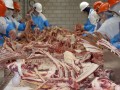
A higher rate of cancer deaths among those that handle and process meat is attributed to infection with viruses, and chronic exposure to animal proteins.

The consumption of cat and dog meat may be playing a role in “massive human rabies epidemics” in Asia. (Some people may find some of the concepts and images in this video disturbing.)

Delusional parasitosis is a form of psychosis characterized by the false belief that one is infested with some sort of parasite. It can be triggered by a variety of brain diseases, including parasites themselves.

How often do retail deli workers wash their hands, at both independent and chain stores? This is important, given the potential for life-threatening blood-borne viruses such as hepatitis C.

More than a thousand retail meat samples have been tested for methicillin-resistant Staphylococcus aureus (MRSA) contamination in North America.

Methicillin-resistant Staphylococcus aureus “superbug” found not only contaminating the U.S. retail meat supply, but isolated from air samples outside swine CAFOs.

An investigation finds 47% of U.S. retail meat tested is contaminated with staph (Staphylococcus) bacteria. Turkey appears most likely to harbor contagion.